A Fantasy Cosmos

While writing (or, to some degree, copy/pasting from the SRD) Blood & Treasure the other day, I finally came to the section on the planes. I decided, for a sample cosmos (and I do mean sample – there is no official cosmology for Blood & Treasure), to present something like the one I use for NOD. I thought folks might like to see it, but note – it lacks a mention of Hell or the Firmament at the moment.

ONE POSSIBLE COSMOLOGY

This cosmology of planes is inspired by the old Ptolomaic view of the universe, i.e. The Earth at the center of the universe surrounded by “crystalline spheres” containing the different planets and beyond them the Empyrean Heaven of God and the angels. At the center of Earth lies Hell, essentially a plane within a plane.

In this conception, the Ethereal Plane extends beyond Earth to the Moon, but no further. The Astral Plane extends throughout the entire universe, to the borders of the Empyrean Heaven.
All of the planes (i.e. planets) in this cosmology other than the Empyrean Heaven are self-contained spheres. Heaven is infinite.

EARTH AND THE MOON (MATERIAL PLANE)
Earth and the Moon are the Material Plane, the center of the universe. The Moon differs from Earth only in that it is mildly-chaotic. They define what is considered normal. The Material Plane has the following traits:

• Normal gravity.

• Normal Time

• Alterable morphic.

• No Elemental or Energy Traits (specific locations may have these traits, however)

• Mildly neutral-aligned (mildly chaos-aligned for the Moon).

• Normal magic.

THE ETHEREAL PLANE
The Ethereal Plane is coexistent with the Material Plane and the plane of Luna. The Material Plane itself is visible from the Ethereal Plane, but it appears muted and indistinct, its colors blurring into each other and its edges turning fuzzy.

While it is possible to see into the Material Plane from the Ethereal Plane, the Ethereal Plane is usually invisible to those on the Material Plane. Normally, creatures on the Ethereal Plane cannot attack creatures on the Material Plane, and vice versa. A traveler on the Ethereal Plane is invisible, incorporeal, and silent to someone on the Material Plane.

The Ethereal Plane is mostly empty of structures and impediments. However, the plane has its own inhabitants. Some of these are other ethereal travelers, but the ghosts found here pose a particular peril to those who walk the fog.
It has the following traits.

• No gravity.

• Alterable morphic. The plane contains little to alter, however.

• Mildly neutral-aligned.

• Normal magic. Spells function normally on the Ethereal Plane, though they do not cross into the Material Plane. The only exceptions are spells and spell-like abilities that have the force descriptor and abjuration spells that affect ethereal beings. Spellcasters on the Material Plane must have some way to detect foes on the Ethereal Plane before targeting them with force-based spells, of course. While it’s possible to hit ethereal enemies with a force spell cast on the Material Plane, the reverse isn’t possible. No magical attacks cross from the Ethereal Plane to the Material Plane, including force attacks.

PLANE OF SHADOW
The Plane of Shadow is a dimly lit dimension that is both coterminous to and coexistent with the Material Plane. It overlaps the Material Plane much as the Ethereal Plane does, so a planar traveler can use the Plane of Shadow to cover great distances quickly.

The Plane of Shadow is also coterminous to other planes. With the right spell, a character can use the Plane of Shadow to visit other realities.

The Plane of Shadow is a world of black and white; color itself has been bleached from the environment. It is otherwise appears similar to the Material Plane.

Despite the lack of light sources, various plants, animals, and humanoids call the Plane of Shadow home.

The Plane of Shadow is magically morphic, and parts continually flow onto other planes. As a result, creating a precise map of the plane is next to impossible, despite the presence of landmarks.

The Plane of Shadow has the following traits.

• Magically morphic. Certain spells modify the base material of the Plane of Shadow. The utility and power of these spells within the Plane of Shadow make them particularly useful for explorers and natives alike.

• Mildly neutral-aligned.

• Enhanced magic. Spells of shadow are enhanced on the Plane of Shadow. Such spells are cast as though they were prepared with the Maximize Spell feat. Shadow conjuration and shadow evocation spells are 30% as powerful as the conjurations and evocations they mimic (as opposed to 20%). Greater shadow conjuration and greater shadow evocation are 70% as powerful (not 60%), and a shades spell conjures at 90% of the power of the original (not 80%).

• Impeded magic. Spells that use or generate light or fire may fizzle when cast on the Plane of Shadow. Spells that produce light are less effective in general, because all light sources have their ranges halved here. Despite the dark nature of the Plane of Shadow, spells that produce, use, or manipulate darkness are unaffected by the plane.

THE ASTRAL PLANE
The Astral Plane is the space between the planes. When a character moves through an interplanar portal or projects her spirit to a different plane of existence, she travels through the Astral Plane. Spells that allow instantaneous movement across a plane briefly touch the Astral Plane.

The Astral Plane is a great, endless sphere of clear silvery sky, both above and below. Occasional bits of solid matter can be found here, but most of the Astral Plane is an endless, open domain. Both planar travelers and refugees from other planes call the Astral Plane home.

The Astral Plane has the following traits.

• Subjective directional gravity.

• Timeless. Age, hunger, thirst, poison, and natural healing don’t function in the Astral Plane, though they resume functioning when the traveler leaves the Astral Plane.

• Mildly neutral-aligned.

• Enhanced magic. All spells and spell-like abilities used within the Astral Plane may be employed as if they were improved by the Quicken Spell feat. Already quickened spells and spell-like abilities are unaffected, as are spells from magic items. Spells so quickened are still prepared and cast at their unmodified level. As with the Quicken Spell feat, only one quickened spell can be cast per round.

MERCURY (ELEMENTAL PLANE OF EARTH)
Mercury is a solid sphere of rock and metal burrowed through by a multitude if tunnels and caverns. An unwary and unprepared traveler to Mercury may find himself entombed within this vast solidity of material and have his life crushed into nothingness, his powdered remains a warning to any foolish enough to follow.

Despite its solid, unyielding nature, Mercury is varied in its consistency, ranging from soft soil to veins of heavier and more valuable metal.

Mercury has the following traits.

• Earth-dominant.

• Enhanced magic. Spells and spell-like abilities that use, manipulate, or create earth or stone are both empowered and extended (as if the Empower Spell and Extend Spell metamagic feats had been used on them). Spells and spell-like abilities that are already empowered or extended are unaffected by this benefit.

• Impeded magic. Spells and spell-like abilities that use or create air (including spells that summon air elementals or outsiders with the air subtype) are impeded.

VENUS (POSITIVE ENERGY PLANE)
Venus is a lush world of brilliant, almost blinding color and overgrown vegetation and animals. Some area of the plane are so fertile that entering them can actually cause a person to explode with life.

Venus has the following traits.

• Normal gravity.

• Minor positive-dominant. Some regions of the plane have the major positive-dominant trait instead, and those islands may be inhabited by various divinities of fertility and life.

• Enhanced magic. Spells and spell-like abilities that use positive energy, including cure spells, are maximized (as if the Maximize Spell metamagic feat had been used on them). Spells and spell-like abilities that are already maximized are unaffected by this benefit. Class abilities that use positive energy, such as turning and destroying undead, gain a +10 bonus on the roll to determine Hit Dice affected.

• Impeded magic. Spells and spell-like abilities that use negative energy (including inflict spells) are impeded.

MARS (PLANE OF NEUTRALITY)
Mars is an earth-like plane dedicated to neutrality in the war between Law and Chaos. It is a small sphere and taken up by red, sandstone hills, shallow, salty seas, lowlands of red, tuberous plants watered by vast canals and gleaming, ancient cities slowly falling into ruin. The various people of Mars are warriors who glory in combat.

Mars has the following traits.

• Light gravity.

• Strongly neutral-aligned. Lawfuls and chaotic suffer a -2 penalty to reaction checks and to intelligence- and wisdom-based checks.

• Limited magic. The following spells operate normally on Mars: Detect thoughts (ESP), xxx. All other spells fail to operate here.

• Flowing time. Time passes more quickly on Mars than the Material Plane. A year spent on Mars corresponds to a day on the Material Plane.

SUN (ELEMENTAL PLANE OF FIRE)
Everything is alight on the Sun. The ground is nothing more than great, evershifting plates of compressed flame. The air ripples with the heat of continual firestorms, and the most common liquid is magma, not water. The oceans are made of liquid flame, and the mountains ooze with molten lava. Fire survives here without need for fuel or air, but flammables brought onto the plane are consumed readily.

The Sun has the following traits.

• Fire-dominant.

• Enhanced magic. Spells and spell-like abilities with the fire descriptor are both maximized and enlarged (as if the Maximize Spell and Enlarge Spell had been used on them). Spells and spell-like abilities that are already maximized or enlarged are unaffected by this benefit.

• Impeded magic. Spells and spell-like abilities that use or create water (including spells that summon water elementals or outsiders with the water subtype) are impeded.

JUPITER (ELEMENTAL PLANE OF AIR)
Jupiter is a giant spheric plane of air. At the heart of Jupiter there is a core of iron and adamantine, and there are other bits of solid ground and water vapor floating amid the endless, roiling skies of Jupiter.

Jupiter is the home of all manner of airborne creatures. Indeed, flying creatures find themselves at a great advantage on this plane. While travelers without flight can survive easily here, they are at a disadvantage.

Jupiter has the following traits.

• Subjective directional gravity. Inhabitants of the plane determine their own “down” direction. Objects not under the motive force of others do not move.

• Air-dominant.

• Enhanced magic. Spells and spell-like abilities that use, manipulate, or create air are both empowered and enlarged (as if the Empower Spell and Enlarge Spell metamagic feats had been used on them).

• Impeded magic. Spells and spell-like abilities that use or create earth (including spells that summon earth elementals or earth-based outsiders) are impeded.

SATURN (PLANE OF CHAOS)
Saturn is a plane infused with chaos, and therefore quite alien to most folk of the Material Plane. It is covered by all manner of fascinating land-scapes, including ashen plains cut by streams of mercury, swamps of sentient ooze, thickets of mineral plants like sheaves of swords and towering mountains of vapor, all under a greenish-black sky illuminated by the plane’s wondrous rings from which ioun stones are plucked.

Saturn has the following traits:

• Strongly chaos-aligned. Lawfuls suffer a -2 penalty to reaction checks and to intelligence- and wisdom-based checks.

• Wild magic.

NEPTUNE (ELEMENTAL PLANE OF WATER)
Neptune is a sea without a floor or a surface; an entirely fluid sphere lit by a diffuse glow. It is one of the more hospitable of the Inner Planes once a traveler gets past the problem of breathing.

The eternal oceans of this plane vary between ice cold and boiling hot, between saline and fresh. They are perpetually in motion, wracked by currents and tides. The plane’s permanent settlements form around bits of flotsam and jetsam suspended within this endless liquid. These settlements drift on the tides of the plane of Neptune.

Neptune has the following traits.

• Subjective directional gravity. The gravity here works similar to that of the Elemental Plane of Air. But sinking or rising on the Elemental Plane of Water is slower (and less dangerous) than on the Elemental Plane of Air.

• Water-dominant.

• Enhanced magic. Spells and spell-like abilities that use or create water are both extended and enlarged (as if the Extend Spell and Enlarge Spell metamagic feats had been used on them). Spells and spell-like abilities that are already extended or enlarged are unaffected by this benefit.

• Impeded magic. Spells and spell-like abilities with the fire descriptor are impeded.

URANUS (PLANE OF LAW)
Uranus is the opposite of Saturn, a plane of law and perfection. Uranus has the same landscapes as the Material Plane, but they are each perfect and slightly angular, often repetitious, as though made by the will of a single artist. The skies and landscapes of Uranus all carry a metallic hue – warm coppers, brilliant silvers and dazzling golds.
Uranus has the following traits:

• Strongly law-aligned. Chaotics suffer a -2 penalty to reaction checks and to intelligence- and wisdom-based checks.

• Static. Uranus cannot be altered by visitors.

• Timeless. Time does not flow on Uranus.

PLUTO (NEGATIVE ENERGY PLANE)
To an observer, there’s little to see on Pluto. It is a dark, empty place, an eternal pit where a traveler can fall until the plane itself steals away all light and life. Pluto is the most hostile of the planets, and the most uncaring and intolerant of life. Only creatures immune to its life-draining energies can survive there.

Pluto has the following traits.

• Subjective directional gravity.

• Major negative-dominant. Some areas within the plane have only the minor negative-dominant trait, and these islands tend to be inhabited.

• Enhanced magic. Spells and spell-like abilities that use negative energy are maximized. Spells and spell-like abilities that are already maximized are unaffected by this benefit. Class abilities that use negative energy, such as rebuking and controlling undead, gain a +10 bonus on the roll.

• Impeded magic. Spells and spell-like abilities that use positive energy, including cure spells, are impeded. Characters on this plane take a –10 penalty on Fortitude saving throws made to regain lost levels from a life drain attack.

Gehenna – Besieged Towns and Ruby Cities

Probably the last Gehenna preview until NOD 13 hits the virtual shelves – having an extra day this February is going to help. Other articles slated for lucky number 13 include Shades of Red (the variant red dragons), Hero vs. Villain (stats for Zanzibar the magician and the speed demon Greymalkin – and an adventure seed as well), a crop of Demon Lords, Epic Journeys (a series that will lay out the concept of a 1st level to 20th level campaign centered around an epic level monster, in this case the Anaxim), the rules to my card game Greatsword, the Evolutionary PC class (with some sweet art) and a few new magic helms.

On to the preview …

Fly Man of Abaddon by Ndege Diamond – not in this preview

80.28 Nathox: Nathox was once a splendid town of 1,000 Xshayathian ophidians under the command of the glabrezu Keirzer the Dreadful. It is now besieged by an army of demonic centaurs and erinyes that marched into Gehenna from Stygia. Powerful magics from the centaurs and their leader, Erichtho (Mage 17; 43 hp), the Stygian witch and a servant of mighty Dagon, Prince of Stygia, who seeks the soul of the damsel Beatrice, stolen by rebel erinyes.

Erichtho wields the horn of an ancient white wyrm, using it to freeze the once blazing city, encasing the walls in ice and causing all of the fires in the city to sputter and die – they now produce nothing but thick, acrid smoke.

87.76 Black Dogs: This hex is patrolled by packs of gaunt, black dogs. The dogs are about the size of terriers and are capable of emitting a terrible shriek before attacking (save vs. fear or flee for you drop). The strange beasts are only harmed by holy symbols (which are pretty pathetic weapons) and divine magic. They have 90% resistance to arcane magic and even magic weapons only harm them 90% of the time. The dogs were summoned by an unfortunate wizard using a small book bound in black leather. The book was stolen from the camp of Paymon, and may contain other weird summonings.

88.73 Monastery of Madness: There is a monastery here that looks like it might have been dreamed up by Salvadore Dali – all abstract shapes and weird lines. The monastery is dedicated to Azathoth, the Slaad Lord of Madness, and is staffed by a priesthood of walking slimes and overseen by a balor demon called Karum, Bringer of Madness. Karum looks as though his flesh is melting from his body, and he leaves a trail of slime that, if it puddles, has a 1 in 6 chance per turn of animating as yet another walking slime.

At the heart of the monastery, if one can find it through the shifting corridors and many pit falls, there is an idol in the form of a black sphere that gives off a strange humming noise (like a theramin) and great arcs of electricity (1 in 6 chance per round of striking a random person within 30 feet with a 3 dice lightning bolt that also steals their soul unless they pass a saving throw). Rumors speak of a vault beneath the idol holding all manner of relics and riches.

The idol is surrounded, at a distance of 35 feet, by six hepatizon pedestals. A thief can work out that they are triggers that must be weighted down with 100 lb. each to be triggered. If this is done, the would-be tomb robbers get a nasty surprise. Instead of discovering a treasure vault, they instead are drained of 1d4 levels, their life energy passing into the black sphere, which shatters and is sucked inward into a umbral blot that has been summoned to wreak havoc in Hell in service to mighty Azathoth.

92.42 Calepp: Calepp is a grand city of ruby spires inhabited by the 1,000 Lamuresti elves. The city is constructed of ruby-colored crystal and blocks of brass, each one a bas-relief of a beauteous elf. From the walls of Calepp, the elves sing terrible chants that echo across the metallic sands, mourning the kidnap of the Princess Ninsab, daughter of King Barimu (Fighter/Mage 10; 36 hp).

The elves are especially enraged that Barimu has launched no counter attack against the gnolls [90.76] who took her. He is currently enchanted by Eshkit (Duelist 11; 35 hp), a rakish woman who is actually a doppelganger in service to Mammon, sent to spy on these elves who worship Mulciber above all other demons. She has carried a magical garnet into the city and has secreted it in Barimu’s treasure chamber. The accursed garnet has not only stolen Barimu’s heart and will, but is spreading a wasting curse (per mummy rot) through the elves of the city.

The Glooms – Evil Pumpkins and Dwarf Kings

I’m about three days away from finishing the main writing on the Hell South hex crawl for NOD 12. Then I have a few articles to finish up and should be able to publish before Christmas – or maybe after Christmas. We’ll see.

10.72 Anemone Shelf: Hundreds of brightly colored giant sea anemones are attached to a wide shelf along the bank of the Acheron, about 70 feet below the surface. Equally colorful nixies dwell within these anemone, sometimes falling prey to them, but more often tending them. The nixies are led by the druid Anwyla, whose sea cave lair is hidden by the anemones. Deep within this sea cave there is a bubbling fountain of air. Bathing in this air, which carries a damp, green smell, one becomes a creature of living water. While in this form, the person can swim at a speed of 30 and is immune to cold and resistant to fire. This state lasts for a number of hours equal to the person’s constitution score.

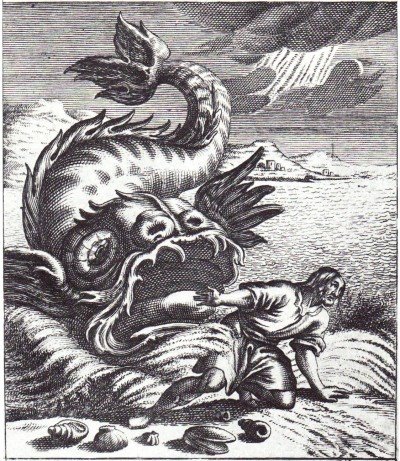
35.99 Bothaaa: This hex holds the lair of Bothaaa, a giant, fiendish octopus spawned by Dagon himself. Bothaaa is usually in his sea cave, studying his greatest treasure, a jar that holds the preserved head of the Rivana, youngest daughter of the lich lord Piran. This head wears a crystal diadem (worth 1,000 gp). It is still alive, the body resting in Guelph in an ornate crypt. The head is sought by Dudge, the chaotic knight currently trapped in the stomach of the dragon whale Oraguldurn [7.63].

9.66 Grimserne: Grimserne is the dark city of Alberich, the king of the nyblings, a race of sorcerous, demonic dwarves. The nyblings are sore put upon by Alberich, and the shade slaves of Grimserne even more so.

Grimserne is home to 5,000 shades and 3,500 nyblings. The city is built into the sides of a massive and ever deepening pit mine from which the slaves extract copious amounts of coal, enough to fire the furnaces of Dis. The nymblings direct the slaves in their mining and then form them into great caravans who march towards the palace of Minos and the narrow stairs that lead down to the third ring of Hell. Each shade holds 300 pounds of coal in its back in canvas and leather sacks, and by the end of the journey to Dis are so spent that they often melt into the landscape, only to emerge back in their pit a few days later.

Alberich is a mighty sorcerer among dwarves. He and his people possess an unheard of skill at forging magical items, making them as easily as most craftsman make normal items, but expecting cruel payments for their handiwork and cursing the items to make sure they are not betrayed.

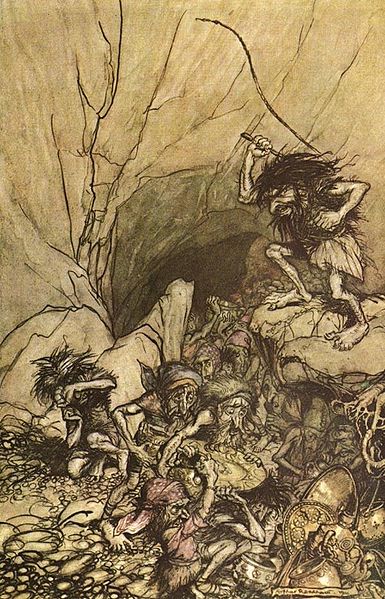
11.70 Prison Farm: The damned souls of 450 greedy halfling farmers toil here on a vast field, farming and tending animals under the poisonous whip of the balor Enkepis and his manes. The halflings grow bitter kale, lima beans, Brussels sprouts and pumpkins that grow to about four feet in diameter and bear tormented faces on their pale orange skins. They also tend sheep that they turn into spicy meat pies that are valued throughout Hell.

Each of the pumpkins, if one should carve a hole into it and crawl inside (gnomes and halflings can manage this) is a portal to the surface world.

13.57 Peat Fields: This hex was once a great swamp of tsetse flies and stinging nettles. It has since been drained and is now a great expanse of peat fields. Miserable shades now roam the fields, cutting the peat under the watchful eyes of gnoll overseers. The peat is destined for the lodge of Barbatos, who disdains the use of coal and thornwood. The peat moss is rank with worms, each one with the face of a damned, miserable soul.

Image by Rackham; found at Wikipedia.

The Glooms – Ghoul Town

110.100 Ghala-ghilan: Ghala-ghilan is the gruesome city-state of the ghouls and ghasts and their hideous lords. The city houses 5,000 ghouls, 1,500 ghasts and their slaves/cattle, which number 1d10 x 1,000 humanoids at any given moment. Ghala-ghilan has sandstone walls topped by a hundred onion domes cast in bronze and painted with black enamel. In each tower there is a squad of ghouls armed with slings and crude axes. The streets of Ghala-ghilan are wide and covered with a damp, slimy film. The buildings are sandstone towers rising 30 to 50 feet in height, with flat roofs topped by memorial statues stolen from cemeteries all over the world. Amidst these towers there are long palaces with colonnades.

The ghouls need not eat often, so when they do slaughter their herds of humanoid slaves, they hold grandiose feasts with strangely sedate and dainty entertainments.

112.99 Celestial Army: An army of luminous aasimar has gathered here for an assault on Ghala-ghilan, the city of ghouls [110.100], for the ghouls have stolen something precious to the powers of Law, the legendary Pistis Sophia. The paladin Eaduvenius leads the bright host, who are now camped in white pavilions (regrettably sullied by their long trek through the Underworld) flying white pennons emblazoned with various symbols holy to the forces of Law. The army numbers 25 companies of heavy infantry and 50 companies of light infantry and archers. Almost all of them are drawn from the Farukh, the descendants of the Heavenly Host that once descended to Nod to destroy the wicked city of Irem and stayed to long. The Farukh dwell in the hills outside of the city-state of Guelph. In addition to the warrior, the army has about 300 bearers and handlers to look after the giant lizards used as pack animals, and ten packs of blink dogs.

117.64 Hot Cave: There is a deep, dank, damp cave here that is heated by a thermal vent and mineral spring. The interior of the cave and much of the exterior is covered by a massive yellow musk creeper. The cave is always filled with 3d6 yellow musk zombies and encounters with 2d4 zombies occur in this hex on a roll of 1-4 on 1d6 per day.

120.63 Exploding Pool: A simple pool in this hex is bordered by white stones that glow lightly. Should a person try to drink from it, the fountain explodes into a water spout, throwing them 1d10 x 10 feet into the air. Should one attempt to ride this spout to the top (requires a dexterity check on 2d6+12) find they can access a chamber carved into the ceiling that contains a great trove of treasure guarded by an ancient water elemental.

121.66 Tormented Mephits: Ten fire mephitis have been chained to the ground here near a frosty cave. The cave is inhabited by three frost giant brothers, Frimli, Giri and Hundi and their pet small white dragon, Snurl. The giants torment the mephitis from time to time, carrying small torches near them and then snapping them away.

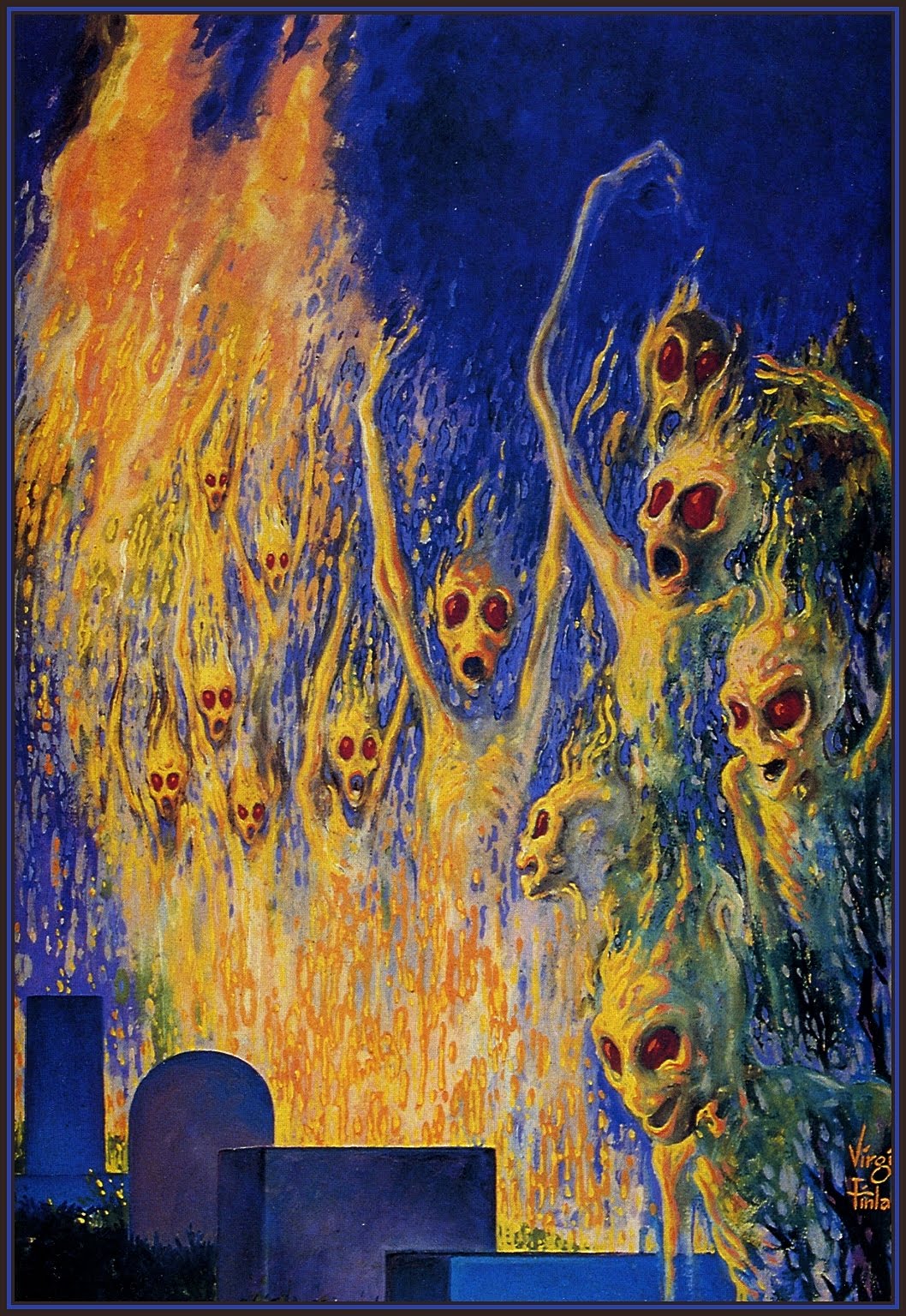
Image from Golden Age Comic Book Stories; by Virgil Finlay

The Glooms – A Sphinx Says What?

Another quickie preview. Soon, I’ll be previewing some art for Blood & Treasure!

92.99 Criosphinx: A talkative, obnoxious criosphinx has set up shop here on a ledge about 500 feet above the ground. The ledge leads back into a natural amphitheater and several shallow mines dug ages ago by kobolds searching for gold. They finally quit when one group of miners struck an underground river, which flooded the mine and formed a waterfall for years. Eventually, the river shifted and the ledge and mines are now dry and worn very smooth.

99.95 Hidden Ropers: The landscape here contains an old stone road that descends into a deep canyon. The walls of the canyon are streaked with deposits of gold and marred by many ledges and shallow caves that spout clear, fresh springs. The springs empty into rifts in the canyon floor, keeping it from filling with water. The ledges in one mile-long stretch are occupied by several ropers that are hidden beneath a hallucinatory terrain effect created by a duergar magic-user who wants to keep the gold safe until he is ready to clear the canyon of ropers.

102.96 Stone Golem Inn: A band of enterprising svirfneblin have established a rollicking good inn here. The inn is set about 40 feet above the ground in an abandoned cliff dwelling that looks to have once belonged to mantari.

Standing beneath the inn there is a stone golem that has the appearance of a great ape with pearly eyes and upward jutting fangs. The gnomes have nicknamed it “Ook”, and are apparently capable of commanding it, perhaps by dint of their now owning the cliff dwelling. The stone golem is the only means of accessing the inn other than climbing the walls or flying in, and the gnomes only grant access to folk who appear to be no danger and who are willing to dance a lively jig for the entertainment of themselves and their customers.

The svirfneblin number four ex-adventurers and their significant others and children; there are twelve in all. They serve a passable mushroom brew using fresh water that falls down the back of the inn (a subterranean waterfall) and serve thick mushroom steaks and anything else they can get their hands on.
The inn has ten small rooms (15 gp a night), or folks can stay in the common room for 3 gp a night.

107.102 Cracking Ground: The ground here cracks and juts up at random intervals, presenting a terrible hazard to travelers (1 in 6 chance per hour of being struck for 8d6 points of damage). Amidst this chaos, there rests the magnificent Throne of Glooms, a simple throne carved from basalt (and quite rough) and set with three dozen onyx (1d6 x 100 gp each). Each of these stones holds an ethereal shade, who can emerge if a living person sits in the throne. The person is stuck fast to the throne while it drains away their charisma (1 point per round). They can only escape the throne with an open doors check, though the shades do their best to prevent this.

As a person loses their charisma, the color gradually drains away from their skin, eyes and hair. When their charisma is drained to 0, the person transforms into a terrible creature called a gloom, the genius loci of the Glooms, so to speak. At this, the terrible eruptions of the hex end and the ground becomes perfectly smooth and placid.

The newly created gloom will expect its former comrades to become its avid worshippers and help it to facilitate the re-conquest of its domain.

The Glooms – Dungeons and Mines

7.91 Adalark’s Tomb: A tall cenotaph of black marble stands 20 feet tall here. On the top there is a sculpture of a giant serpent, mouth open and fangs bared.

The serpent is the entrance to a small tomb complex located about forty feet below the ground. One cannot fit in the serpent’s mouth, of course, but by reaching deep into its mouth (unfortunately impossible for halflings or gnomes) and touching a stone lodged therein, a person is teleported beneath the ground.

[A] The entry chamber into the tomb is a square room with black marble walls and a 30 foot high ceiling. Against one wall there is a copper plaque bearing the following inscription: “Adalark | Called Great | Was Great | He cannot blame lesser thieves for following in his steps.”

There is a terracotta statue here of a weeping woman looking at the plaque, on hand reaching toward it. Approaching any of the walls in the room causes a sub-section (10’ wide by 10’ tall) of that wall to move backward – apparently one cannot step closer than five feet toward a wall. The walls extend back ten feet, at which point a metal portcullis descends from the ceiling, locking them in. The walls then slowly begin to crawl back to their original position to crush the intruder. The section of the wall with the plaque does the same as the others.

If all four walls are forced back at the same time, the wall with the plaque disappears completely and reveals a second chamber, and the other three traps do not spring.

[B] The trapped chamber opens here onto a balcony overlooking a square room about 10 feet below. In the room below there is gathered the treasure of Adalark the master thief, which consists of three gold ingots (3 lb each), a brass icon of a winged woman (worth 1,000 gp), a cape of deep red velvet (100 gp), six silver shields (250 gp each), thirty pairs of chartreuse gloves (they were Adalark’s trademark), a suit of halfling-sized platemail and 8,000 gp. The interior of the platemail is coated with platinum (2,000 gp worth).

Extending from the balcony there is a wall of force that does not allow one access to the treasures below. The treasure chamber is actually an optical trick called “Pepper’s Ghost”. The treasure is actually located in a room beneath the balcony. A large pane of glass slanted across the open area reflects the treasure, which is illuminated from below using a continual light spell. The most likely way of dropping into the treasure chamber is to use dispel magic to remove the wall of force. Any who then drop into the chamber without being very careful may drop through the glass into a pool of acid below (inflicts 3d6 points of damage from the fall and 1d6 points of damage each round from the acid).

14.87 Boring Wreck: A large earth borer made of steel with brass highlights has been abandoned here by the Master’s synthoids after the drill bit broke. The Master was already on to other projects and never reclaimed it. Eight were-weasels have now adopted it as a lair, and keep 60 cp, 170 gp, fifteen wolf skins (worth 8 gp each) and a small pearl worth 3 gp hidden inside.

20.92 Iromir Mine: Iromir is a natural alloy of iron and mithral. A very deep mine here, run by kobolds (who took it from a clan of svirfneblin), produced a good amount of the material, which the drow favor for their weapons and armor when they cannot find pure mithral. The shipments recently stopped. When a band of orog from the village in [32.98] appeared to investigate, they discovered the mine (it has seven levels) crawling with kobold zombies. There are now fifty orogs camped outside the mine and making some shallow forays into the place.

Image is copyright Wizards of the Coast.

The Glooms – Mechanical Men, Drow and Worm Food

After taking two days off from writing about Hell (well, a week actually – it was two days between finishing NOD 11 and starting NOD 12), here is the first peek at the southern portion of the Glooms.

2.58 Mechanical Misfits: A little tribe of mechanical men, refugees from the experiments of the Master [4.105], dwell in a ruined kobold fortress. The fortress is carved into the wall and consists of a guarded, fortified entry chamber (locked portcullis, the ledge in front of it is trapped to collapse, sending people 50 feet to the cavern floor). Beyond the entry chamber there are about twenty chambers, mostly small, inhabited by the mechanical men. The mechanical men number 40 individuals built of scrap. Most are about 3 to 4 feet in height. They are sneaky little devils, scavenging far and wide for replacement parts and metal that they can melt down and forge into new parts. They have a working forge and a fine crucible and are open to trade, but find it difficult to resist the temptation presented by adventurers toting metal.

2.106 Troupe: A troupe consisting of five drow overseers and their master, Qodvigo, a drow warrior-mage, and thirteen enslaved ophidian dancing girls. The troupe is gradually picking their way through the ooze-filled tunnel using picturesque wagons painted with phosphorescent paint (skeletons, owls, the words “Master Q’s Traveling Show”) and supported on four spindly legs, like those of an elephant only longer and thinner.

There are three wagons in all, each one carrying three or four ophidians huddled around a coal-burning stove, a driver and a guard. The ophidians wear torqs that have a permanent charm monster effect cast on them and tied to Qodvigo. Qodvigo’s wagon is the largest and contains a separate, raised chamber (about 6 feet long and 4 feet wide) containing his ritual objects and spellbook.

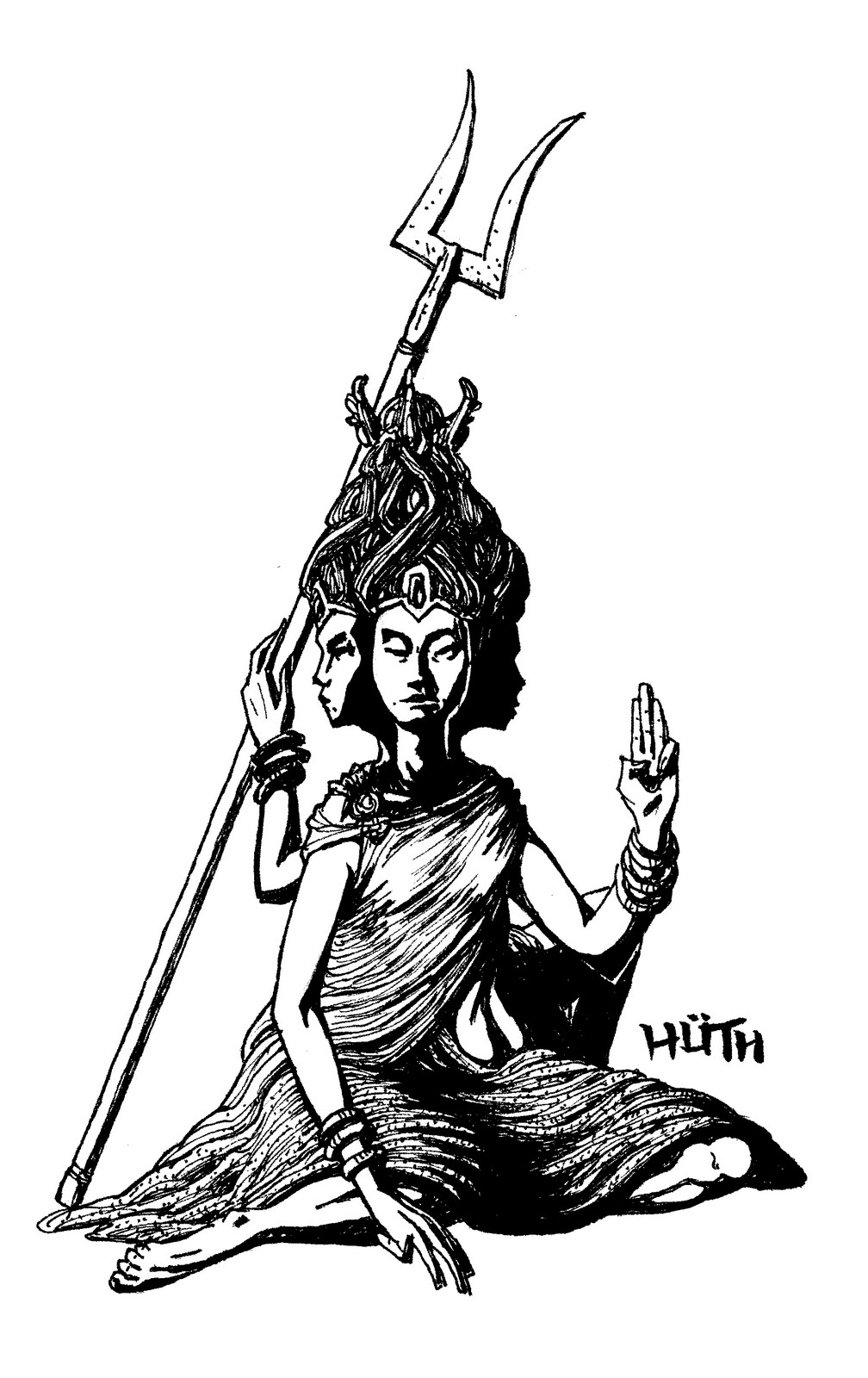
3.66 Worm Food: A tunnel in the wall here features a series of stairs downward leading to a branch of three tunnels. In the nexus there is a brass idol of Tricrucia, the petty goddess of forks in underground tunnels. The three-faced, three-legged, three-armed idol has all three arms pointing down towards the three different passages. One of the passages has an “X” carved above the cave entrance, the second a short series of three white marble steps down and the third the smell of rotting vegetation. The third tunnel is the safe one, the other two containing great lantern worms. At the end of the stinky tunnel there is a small shrine to Tricrucia containing sacred coins (5,100 sp, 710 ep, 5,400 gp) in bronze pots. If any of these are stolen, the thieves suffer a divine curse that keeps them from ever knowing their way under-ground, at least until the treasures are restored.

Image of Tricrucia by Chris Huth from Petty Gods – can’t wait for that release!

Asphodel, First Circle of Hell

Rather than post some locations, I thought I’d post the draft for my description of the first circle of Hell, Asphodel.

Asphodel
The First Circle of Hell

Once one has crossed the Acheron, they see looming above them a wall greater and more hopeless than any other in the cosmos. Hell, you will remember, is a prison and the demons and devils within Hell prisoners. The walls are composed of impossibly thick stones, and thus for all intents and purposes impossible to bore through or knock down. The walls are also proof against ethereal creatures and the passwall spell. Within Hell, it is impossible to teleport or open dimension doors or gates to anywhere outside of the confines of Hell.

Hell’s ramparts from the outside are a sheer face of dark gray stone about 500 feet high. The battlements are not unlike those of a mortal fortification, being crenellated and manned by barbed devils. The walls are 80 feet wide at the bottom and about 40 feet wide at the top, providing ample space for the terrible bronze guns of Hell – massive cannon 30 feet long and 6 feet in diameter that launch exploding cannon balls that inflict 12d6 points of damage in a 10-ft radius, 9d6 in a radius from 11 to 30 feet, 6d6 in a radius from 31 to 60 feet, 3d6 points of damage in a radius from 61 to 90 feet and 1d6 points of damage in a radius from 91 to 120 feet. Folks within 60 feet of the impact must pass a saving throw or be permanently deafened. The cannon have a range of 600 feet and the shells can explode in mid-air at a range chosen by the firer. These shells leave massive craters, many of which are in evidence on the gray-green plains of Asphodel just beyond the walls.

The key point about the cannons is that they point inward, not outward. Likewise, the demons on the parapets do not resist people flying into Hell – only people trying to fly out. For those attempting an escape, assume that every mile of the wall is patrolled by 1d4 squads of barbed devils (i.e. 1d4 x 10 barbed devils) and one cannon. When one section of the wall is “attacked”, barbed devils from nearby sections quickly join the fight. Fortunately, the barbed devils that guard the walls of Hell are prisoners themselves, and thus cannot go beyond the walls to chase down escapees. The gods of Law and the masters of Hell use other resources to deal escaped shades.

Most escape attempts are aimed at the Hellmouth, or Gates of Hell. The gate is unimpressive on the exterior wall – an arched portal 40 feet tall and 25 feet wide barred by a portcullis that, like the walls, is proof against ethereal creatures. The bars are 6 inches thick and made of adamant, and thus quite difficult to bend. The 80 foot tunnel beyond the front portcullis has another adamant portcullis located every 20 feet. All of these are operated by barbed demons looking down from chambers constructed around the tunnel via arrow slits. Murder holes abound, through which the demons pour such things as molten lead, acid and boiling oil. Arrow slits located about 20 feet above the floor allow them to rain arrows on those who are attempting to force their way through.

On the interior wall of Hell, the gate is more heavily defended, situated as it is between two 500-ft tall towers pierced by numerous arrow slits. Each tower is manned by three companies of barbed devils. The terrible hound Cerberus stands guard just outside the inner portcullis.

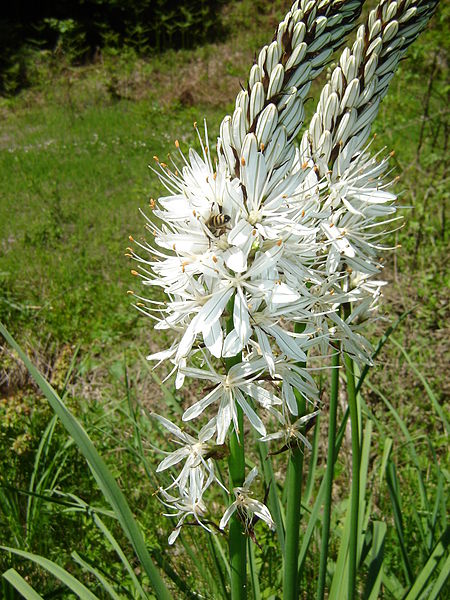
Beyond the walls of Hell, Asphodel is a wide-open, undulating savannah of long, gray-green grasses, thorny, twisted trees and tiny white flowers called asphodels, the circle’s namesake. The plains are roamed by a variety of demonic humanoids and animals in a sort of parody of Africa’s savannah. Many fortresses and even cities dot the savannah, where the lords and dukes of Hell hold court.

There is no Sun in Hell, of course, but the whole of Asphodel is swathed in a twilight gloaming, allowing creatures to see about 1 mile away, double for creatures with “darkvision”. The air of Asphodel is unnaturally still and almost suffocating in its stillness. There is no wind to move the grasses or bend the boughs of the prickly trees, and the range of wind-related magic on Asphodel is cut in half. Storms cannot be raised here nor lightning called.

Races of Asphodel
Asphodel, like most of the other circles of Hell, is not only inhabited by pitchfork-carrying devils and their victims. Four races known to people of the surface world dwell in Asphodel, though these races have been changed by their habitation in Hell.

Asphodelian Gnoll: The gnolls of Asphodel are tall and thin, with greenish hair spotted with black and glaring white eyes. They arm themselves with spears, ring armor and large, round shields. The Asphodelian gnoll utters an insane, demonic laughter while fighting, forcing people to pass a saving throw after three rounds of combat or become so unnerved that they suffer a -2 penalty to fight.

GNOLLS: HD 2; AC 4 [15]; Atk 1 bite (2d4) or weapon (1d10); Move 9; Save 16; CL/XP 3/60; Special: Unnerving laughter.

Asphodelian Goblin: The goblins of Asphodel have rear legs like those of a grasshopper. They have mottled blue skin and long fangs jutting down from behind their upper lips. These goblins carry spiked maces and wear leather armor. Their touch causes people to revert in age by one year unless they pass a saving throw.

GOBLINS: HD 1d6 hp; AC 5 [14]; Atk 1 weapon (1d6); Move 9; Save 18; CL/XP B/10; Special: -1 to hit in sunlight, touch de-ages people.

Asphodelian Halfling: Asphodelian halflings are willowy and relatively tall for their race. They have spidery arms and legs and droopy eyes, like those of opium eaters, on small heads with beetle-brows and pronounced overbites. The halflings are bald and have four gleaming white eyes spaced evenly around their heads, making it impossible to surprise them. They arm themselves with barbed nets and whips, dropping from trees to capture travelers.

HALFLINGS: HD 1d6 hp; AC 5 [14]; Atk 1 weapon (1d6); Move 9; Save 18; CL/XP B/10; Special: -1 to hit in sunlight, cannot be surprised.

Asphodelian Hobgoblin: Asphodelian hobgoblins are squat, apelike creatures always encased in black lacquered platemail and gripping their beloved axes and blunderbusses. They are deeply paranoid creatures, positive that everyone and everything is out to get them, and this makes them even more militant than usual for hobgoblins.

HOBGOBLINS: HD 2+2; AC 1 [18]; Atk 1 weapon (1d8+2); Move 9; Save 16; CL/XP 2/30; Special: Magic resistance (10%).

The Glooms – Caged Imps, Forlorn Golems and Shadowy Theatres

Three more from the Ante-Hell. Perdition awaits …

110.5. Imp-N-Cage: Somewhere in this hex of magma pools and basalt landforms, hanging from a chain beneath a natural land bridge that spans a flow of magma, there is an imp inside a cage constructed of logical fallacies. The cage is too convoluted for the imp, but perhaps a character with high intelligence could solve it. To simulate this, the Referee can prepare three riddles. If a player can answer all three of them, they succeed in freeing the imp, which will swear eternal loyalty (ha!) to its rescuer and even become their familiar if they are a magic-user. Each riddle that is answer incorrectly, however, costs the character one point of their intelligence score, permanently, as they find themselves trapped in logical fallacies. Of course, as difficult as answering the riddles is, the swarm of adamantine wasps that guards the bridge is even worse.

ADAMANTINE WASP SWARM: HD 15 (76 hp); AC 0 [19]; Atk 1 sting (3d6+poison); Move 5 (F14); Save 4; CL/XP; 16/3200; Special: Poison (harden into ice, 1d6 damage per round, shatter when dead), magic resistance (12%).

IMP: HD 2; AC 2 [17]; Atk 1 sting (1d4 + poison); Move 6 (F16); Save 16; CL/XP 6/400; Special: Poison tail, polymorph, regenerate, immune to fire.

110.29. Forlorn Golem: A stone golem sits on the banks of the Acheron, its feet in the black waters, chin on hands, elbows resting on knees. The golem was created by a mad wizard to besiege Hell, the wizard miscalculating the width and depth of the Acheron. Abandoning the concept, the wizard moved on and left his creation by the river to await new orders. He sits there to this day.

STONE GOLEM: HD 15 (60hp); AC 5 [14]; Atk 1 fist (3d8); Move 6; Save 3; CL/XP 16/3200; Special: +1 or better magic weapon to hit, immune to most magic.

118.51. Natural Amphitheatre: There is a natural amphitheater located in this hex. The amphitheater has been accentuated with seating carved into the reddish-brown rock. Against the back of the amphitheater there is what appears to be a bas-relief (deep relief) of a warrior in Greek armor, spear and shield in hand. He appears to be fighting, with his back against the wall. The statue is actually a warrior who was turned to stone while fighting the guardians of this shrine, for the amphitheater is a shrine dedicated to the Tenebrae, the daughters of Nyx and Eerebus. It is guarded by eight sisters, medusas with black-bronze skin and cool, green eyes. Each of these medusas, as a priestess of the Tenebrae, can cast three cleric spells, one of first, second and third level, each.

The statue is still inhabited by the warrior’s spirit, now an ethereal shade. The shade appears when people walk on the “stage” and attempts to force a female adventurer touch his statue body. Doing this releases him from the curse, in which case the restored warrior can introduce himself as Damali, a crusader from ancient days. Damali is a 10th level paladin.

ETHEREAL SHADE: HD 8; AC 1 [18]; Atk Icy touch (2d6) or special ability; Move 9; Save 8; CL/XP 10/1400; Special: Hard to see, immune to non-magic weapons, befuddlement.

Image from HERE.

The Glooms – Landsharks!

Still working diligently on Hell. Almost finished with the north half of the first ring, and then I need to sprint in October to finish the north half of the next few rings. Should fill quite a few pages. I’m also working on a Demonologist class based on the Elementalist I published a few months back and a class that will present a few underground creatures as playable races, for those who want to run a campaign set entirely in the underworld. I’ve commissioned some art from Jon Kaufman, who did the race images for PARS FORTUNA and requested an old-style bugbear (a’la DCS), orc (pig-nosed of course), goblin (a’la DAT), kobold (scaled dog dude), hobgoblin (samurai armor wearing), svirfneblin (a’la Russ), drow (a’la Willingham), duergar (a’la Holloway) and a new critter. I can’t wait to see what he comes up with.

I should also mention – if these encounters sound tough, they’re meant to be. Most Land of Nod hex crawls are designed with characters in the fourth to eighth level in mind. These are meant to challenge characters who have gone past 12th level and want to invade Hell instead of settling down and playing the end game (stronghold, armies, etc). For example, Cocytus, the lowest plane of Hell, will be geared towards challenging a party of 30th level characters.

66.4. Fishing Trolls: A tribe of trolls (50 males, 50 females and 60 young) dwell here on the banks of the Acheron. The trolls are whalers. They sail a boat made from the ribs and hardened skin of abyssal whales. They head out into the Acheron each day seeking abyssal whales to harpoon and pull out of the water. The whales are then processed, producing black ambergris that is highly valued (1,000 gp per pound; the trolls usually have 2d10 pounds on hand).

The trolls dwell in a white mount that abuts the river, in caves chewed out of the chalky stone. These caves wind through the white stone like a maze, but the trolls always know their way, especially the secret doors and passages.

The trolls are led by a jarl called Svalmad and his five brothers, who serve as his huscarls. The tribe also includes a shaman called Bearlang, who prays to Hel and Angrboda and has been given a nidhund by those demons for his loyal worship. The trolls of White Mountain have oddly elongated arms, giving them a +1 bonus to hit in melee combat. They wear bits and pieces of leather and metal armor (equivalent of ring mail) and carry axes and harpoons. Svalmad is growing old for a troll, and his brothers know it. They plot against him with Bearlang.

Besides the aforementioned ambergris and a fair amount of scrimshaw art (maybe 1d4 x 100 gp worth), the trolls have a treasure of 3,500 ep, 45,400 gp, 520 pp, a silver idol of Hel (800 gp), an emerald (4,000 gp), an aventurine (1,250 gp) and eight casks of fine wine (12 gal./100 lb. each, worth 600 gp/gal.)

TROLLS: HD 6+3; AC 4 [15]; Atk 2 claws (1d4), 1 bite (1d8); Move 12; Save 11; CL/XP 8/800; Special: Regenerate 3hp/round, +1 to hit.

NIDHUND: HD 4; AC 5 [14]; Atk 1 bite (1d6) and 2 claws (1d6); Move 21; Save 13; CL/XP 7/600; Special: Immune to cold and poison, rake with claws, magic resistance (10%).

HUSCARLS: HD 7+3; AC 4 [15]; Atk 2 claws (1d4), 1 bite (1d8); Move 12; Save 9; CL/XP 9/1100; Special: Regenerate 3 hp/round, +1 to hit.

BEARLANG: HD 6+3 (38 hp); AC 4 [15]; Atk 2 claws (1d4), 1 bite (1d8); Move 12; Save 11; CL/XP 8/800; Special: Regenerate 3hp/round, cast spells as a 3rd level anti-cleric, +1 to hit due to elongated arms.

SVALMAD: HD 9+3 (33 hp); AC 4 [15]; Atk 2 claws (1d4), 1 bite (1d8); Move 12; Save 9; CL/XP 9/1100; Special: Regenerate 1 hp/round, +1 to hit due to elongated arms.

90.11. Igho-Kih: Igho-Kih is a dready city of 12,500 grimlocks and their thelidu masters. The city is hewn from the very stone of the underworld in a lopsided radial pattern – meaning circles off-set from one another in such a way that they intersect at weird angles. The city-state is surrounded by a tall karst wall that looks like a picket of giant stalactites. These walls have been carved into battlements and towers at places, and form a massive fortress. Each buttressed balcony is patrolled by 1d4 grimlocks who carry spears and wear chainmail. Within the city-state there are tall towers that rise above the canyon-like streets. These black, 3-story towers contain acid that can be released into the streets like a flood at the direction of the city’s masters, a council of thirteen thelidu, squid-headed humanoids with tremendous powers.

These thelidu dwell in a domed palace in the center of the city-state. The palace and city are ensorcelled to be completely dark. Even magical light can only penetrate about 5 feet into the darkness, and even then only with the brightness of twilight. Within the domed palace there is a series of pits and tower platforms. There is no way to move between them other than magic or difficult climbing. At the center of the dome there is a deep pit lined with mirrors that scry into the worlds beyond Nod (i.e. Mercurius, Veneris, Martis, etc).

The thelidu plot the downfall of all creation, though they are so plodding and intellectual they’ll probably never get around to actually doing anything grandiose and meaningful. In the meantime, the grimlocks raise worms and fungus. They live in warrior bands under violent chiefs and enslave their (and other races’) women to use as domestic servants and for mating. The council watches all and knows all, and rewards or punishes the chiefs as they see fit.

109.7. Rats & Sharks: There is an old stone fortress here, probably built by the drow ages ago. The fortress has a courtyard and three towers. The two smaller towers have tumble at some time in the past and now exist as a ruin. The larger tower, though shabby, is still strong and is inhabited by a gang of 20 ratling reavers. Ratlings are, of course, little threat to the denizens of Nifol, but these ratlings are smart and they control five landwalking sharks, which they use in the manner of war elephants. The sharks are kept chained in the courtyard. The ratlings must use extreme caution when mounting them, jumping on the large leather and wood harnesses affixed to their backs from above and then guiding them with gibbets of meat tied with sinew to long sticks or bones. Patrols of three of these war sharks are constantly active in these tunnels, and may be encountered randomly (see above).

The tower of the ratlings contains a shrine to their goddess, the Mouse Lord. Here, they keep a silver idol with ruby eyes and the living manifestation of their goddess (or so they think), a wererat named Tefnuin who wandered into Nifol as an adventurer and managed to hook up with the ratlings after her partners were killed. Tefnuin dwells in luxury, her every need catered to. She wears silk veils that accentuate her semi-humanoid curves, enticing perfume (well, enticing to a ratling) and carries a poisoned dagger. Her soldiers are armed with crossbows with poisoned bolts, short swords and, when on their landwalking sharks, harpoons that are used to reel in prey.

The ratlings have a treasure of 9,790 gp, 860 pp and a lapis lazuli charm worth 200 gp.

LANDWALKING SHARK: HD 13; AC 5 [14]; Atk 1 bite (1d10+8); Move 9 (S18); Save 4; CL/XP 13/2300; Special: Amphibious, feeding frenzy.

RATLING: HD 1; AC 9 [10]; Atk 1 bite (1d6+poison) or weapon; Save 17; Move 12; CL/XP 2/30; Special: Diseased bite.

TEFNUIN, WERERAT: HD 9; AC 6[13]; Atk 1 bite (1d3), 1 weapon (1d6); Move 12; Save 7; CL/XP 10/1400; Special: Lycanthropy, control rats, surprise (4 in 6).