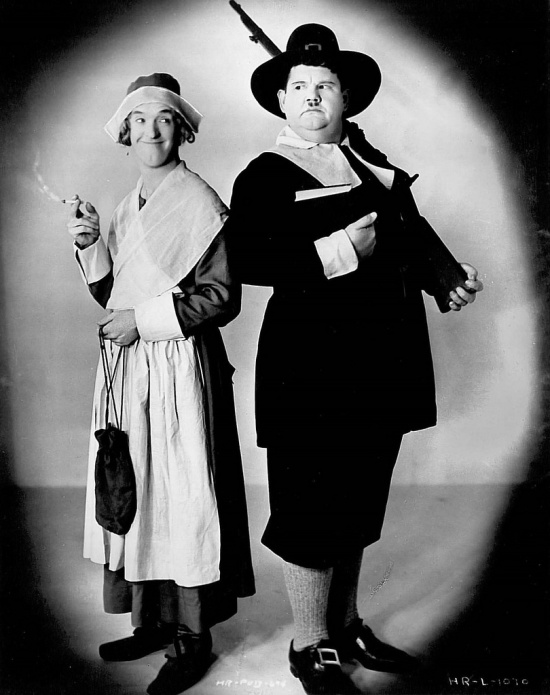
The Vigilante

The war on chaos cannot be won in the streets alone, for beneath those streets, in hidden places, the lords of chaos lurk and plot the destruction of all that is lawful and good. The vigilante is a warrior against chaos who isn’t afraid to get his hands dirty. He’s not a shining knight, like the paladin, or a beacon of hope like the cleric, but rather a rugged street warrior on par with the thief, but playing for the other side.

The vigilante really doesn’t belong in medieval European fantasy. He is a creature of the lurid penny dreadfuls, dime novels and pulp magazines of the late 19th and early 20th centuries. The Shadow is one of the more famous of these dark avengers, but he is not alone and the stock type survives to this day. Vigilantes are expected to be resourceful, cunning, handy with their fists (and whatever else they can find to bash in their opponent’s head) and sneaky. They employ many of the techniques and skills of their less exotic foes, thieves and assassins, and thus also dress and arm themselves much like these rogues.

ROLL D8 FOR HIT POINTS

REQUIREMENTS
Strength, Dexterity and Intelligence of 13+; Vigilantes must be Lawful (Good)

ARMOR ALLOWED
Padded armor, leather armor, studded leather armor, ring mail, mithral chainmail and bucklers

WEAPONS ALLOWED
Crossbows (any) and all light melee weapons

SKILLS
Balance, climb walls, escape bonds, hide in shadows, jump, listen at doors, move silently, open lock, tracking, trickery

XP ADVANCEMENT
Vigilantes advance as paladins

CLASS ABILITIES
Vigilantes must hide their true identity, lest their value as a crime fighter be negatively affected. While wearing their mask, the vigilante enjoys a +2 bonus to save vs. fear and other mind affects, including mind control. In addition, they can attempt to cause fear (per the spell) in humanoid creatures with no more than half the vigilante’s hit dice. Thus, a 1st level vigilante can cause fear in 0 hit dice creatures, while a 10th level vigilante can cause fear in creatures with 0 to 5 hit dice. If unmasked, the vigilante loses these bonuses and abilities.

Vigilantes have the same need to disable foes quickly that thieves and assassins have, but are often bound by their code of conduct not to kill their victims. A vigilante has the same skill at backstabs as thieves, but any time they would normally kill their target and are employing a bludgeoning weapon, they can instead choose to reduce their victim to 1 hit point and knock them unconscious for 1d6 turns. The victim can attempt a Fortitude saving throw to cut this time in half, but make sure the vigilante is unaware of whether this saving throw is successful or unsuccessful.

Vigilantes are known for their resourcefulness, often having just the piece of equipment they need to beat any situation. As long as a vigilante has at least ten pockets, pouches or sacks (or their equivalent) on their person, they can spend 50 gp to fill them with “miscellaneous gear”. When, during an adventure, a vigilante suddenly needs something that is not on their equipment list other than a weapon, armor, money or magic item, they can attempt a Will saving throw modified by Intelligence to find that item in one of their pouches. If the item costs less than 10 gold pieces, there is no modifier to this saving throw. For every 10 gp of value an item has, this roll is modified by -2. If the roll is successful, the contents of one pouch are now known (i.e. the vigilante can only do this as many times as they have pouches or sacks) and the item is added to the vigilante’s equipment list.

At 6th level, the vigilante can choose an arch-nemesis for themselves. If this is a unique creature (i.e. Gork, the Guildmaster of Assassins in the city of Yorok), the vigilante enjoys a +2 bonus to hit and damage them, a +2 bonus on task checks made to find or defeat them, and a +2 bonus to save vs. their special abilities (if any). Once this unique arch-nemesis is defeated, the vigilante may choose a new arch-nemesis.

The vigilante can, instead of choosing a unique arch-nemesis, choose an entire class of creatures as his arch-enemies. Sample arch-enemies could be goblins, thieves, chaotic magic-users, green dragons or devils. Against his arch-enemies, the vigilante enjoys a +1 bonus to hit and damage them, a +1 bonus on task checks made to find or defeat them, and a +1 bonus to save vs. their special abilities (if any).

A 9th level vigilante can establish a hideout to serve as his secret base of operations within a settlement or in the wilderness near a settlement. This signifies that the settlement is under the vigilante’s protection. The vigilante attracts a 3rd level vigilante to serve as his sidekick and apprentice, and earns one contacts per level within the city-state. Use the following table to determine the general occupation of these contacts.

Contacts are a source of information (and adventures) and have varying amounts of loyalty to the vigilante based on their alignment:

This loyalty is the percentage chance they will cooperate with the vigilante and do special (though not overtly dangerous favors) for the vigilante. Dangerous favors, or resisting torture to protect the vigilante, are made at half normal loyalty.

Holly Jolly Warriors for Your Dungeon

‘Tis the season for being goofy, don’t you know, so I present this long overlooked fantasy archetype for your favorite fantasy game. Check you stocking for dice, roll up a kringle, and go slip the hobgoblins some coal (and cold steel) upside their pointy heads.

KRINGLE

H/T Trey’s Sorcerer’s Skull Blog

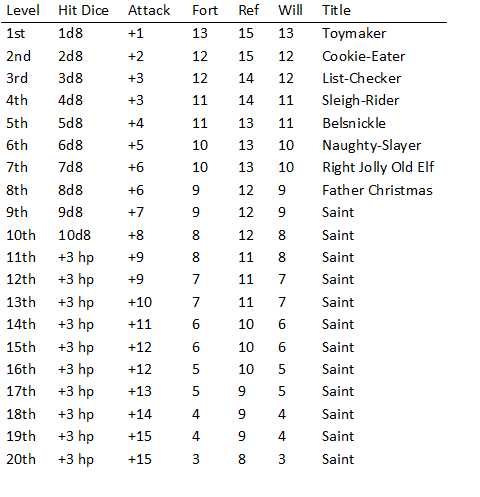
Kringles are holy warriors dedicated to generosity to the poor, protection of the weak and punishment of the wicked. They adventure to take their war on naughtiness into dungeons and to acquire enough wealth to one day build a fortified workshop of their own.

ROLL D8 FOR HIT POINTS

REQUIREMENTS
Strength and Wisdom of 13+; Kringle’s must be Lawful or Lawful Good, depending on what alignment scheme you use.

ARMOR ALLOWED
Any armor and shields

WEAPONS ALLOWED
Any bludgeoning weapon

SKILLS
Escape Bonds, Move Silently, Riding

XP ADVANCEMENT
Kringles advance as paladins

CLASS ABILITIES
A kringle can use the know alignment spell at will; he knows just by looking at you whether you’ve been naughty or nice. In addition, they are capable of squeezing through very small openings, as though they were tiny in size.

A 2nd level kringle is capable of using the minor creation spell, though they can only create an item if they have a sack from which to pull it. At 6th level, a kringle can use minor creation three times per day, and major creation one time per day. A 9th level kringle can use minor creation at will, and major creation three times per day.

A 3rd level kringle is immune to fear. Each ally within 10 feet of him gains a +2 bonus on saving throws against fear. In addition, a xxx gains immunity to all diseases, including supernatural and magical diseases.

A 4th level paladin (gallant) gains the ability to turn constructs, as a cleric turns undead, as a cleric three levels lower.

A 5th level kringle can undertake a quest, guided by a divine vision, to find and gain the service of an unusually intelligent, strong, and loyal reindeer to serve her in her crusade against naughtiness. If the kringle’s mount dies, he must atone (per the atonement spell) and then wait until gaining another level of kringle to undertake the quest again.

A 9th level kringle is capable of using time stop once per day. This increases to three times per day at 16th level.

At 9th level, a kringle is permitted to use crystal balls as though they were magic-users. How else could they know when folks are sleeping or when they’re awake?

An 11th level kringle can choose to establish a workshop in the wilderness and gain followers (see High Level Play below). A kringle who becomes a lord or lady attracts 1d6 gnome artisans per level, 1d6 automatons (1st level fighters – toy soldiers, get it?) and one 3rd level kringle to serve as a foreman. The automatons and the kringle should be generated as characters under control of the player.

The Monsters of Henry Justice Ford – Part II

Today, I present three giants to confound (and stomp on) you precious PC’s.

River Giant
Huge Giant; Chaotic (NE); Average Intelligence; Eddy (1d4)

HD 12
AC 17
ATK 1 slam (2d6) or 4 locks (1d4 + constrict)
MV 30 (Swim 40)
SV F4, R9, W9
XP 1200 (CL 13)

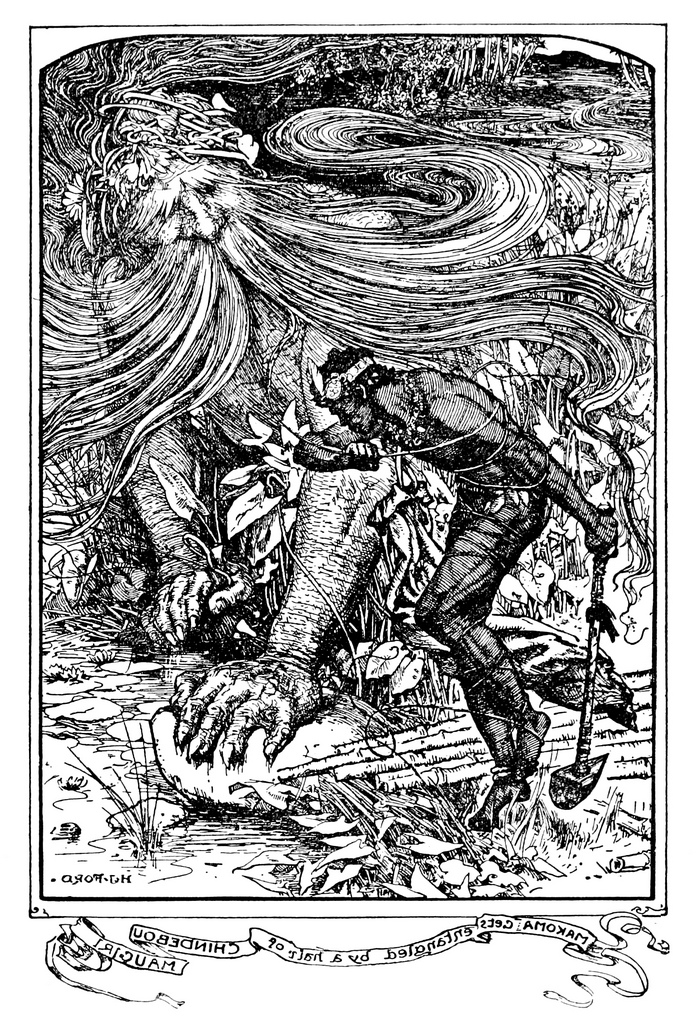
River giants are the children of the great rivers. They appear as massive humanoids with long, grey mustaches and beards which seem to flow and ripple with a will of their own. They dwell within rivers, sometimes in simple caves, but more often in submerged strongholds with courts of nixies and river nymphs.

In combat, a river giant can breathe forth, once per day, a fetid mist per the obscuring mist spell. Those trapped within the mist must pass a single Fortitude saving throw or succumb to filth fever. Their mustaches and beards can be used as tendrils to grab and constrict attackers.

Special Qualities: Resistance to cold

Jinnati
Large Giant; Chaotic (NE); Average Intelligence; Blaze (1d6)

HD 4
AC 14
ATK 1 slam (1d10 + 1d6 fire) or by weapon (+1d4 fire)
MV 30
SV F10, R14, W14
XP 400 (CL 5)

The jinnati, or fire-eaters, are a breed of fire-breathing ogres who dwell in volcanic hills in tropical regions. They have ruddy to dull green skin, lustrous black hair and sparkling eyes that suggest clever malevolence. Jinnati rarely wear armor, though when they do it is usually formed of glowing, red scales, and likewise when they arm themselves they do so with metal weapons. They have a profound lust for reddish and orange gemstones, and will almost anything to possess them, even behave honorably.

Jinnati can breathe a 15-ft. long line of fire once per day. This fire deals as many hit points of damage as the jinnati currently possesses (or half that with a successful Reflex saving throw). They can recharge this fire breath by eating fire – that is, inhaling flames from any sort of source larger than a torch.

Creatures grappled by the monsters suffer as though from a heat metal spell, in addition to suffering normal grapple damage.

Special Qualities: Immune to fire, vulnerable to cold

Stalo
Large Giant; Chaotic (CE); Average Intelligence; Roost (1d6)

HD 6
AC 15
ATK 2 claws (1d6) and bite (1d4)
MV 30
SV F9, R12, W12
XP 600 (CL 7)

Stalos are magical ogres that haunt the northern woodlands and steppes. They have dark brown to nearly black skin, leering yellow eyes and pronounced fangs.

A stalo possesses a set of pipes not unlike those of a satyr. When playing those pipes, those within 1 mile must pass a Will saving throw or be charmed (per the charm person spell) and convinced that they must journey to the source of the piping. Subjects within 30 feet of the piping must make an additional Will save or be held (per the hold person spell) for 1d6 rounds, during which time the stalo will kill them for its supper. A stalo can track unerringly on his home territory.

A stalo has one weakness, and that is running water. While they can cross running water, they do so slowly (movement rate of 5) and must pass a Will save each round or be either frozen with fear for one round.

Spells: At will—calm animals, speak with animals; 1/day—summon nature’s ally II

The Monsters of Henry Justice Ford – Part I

Henry Justice Ford, in case you, the reader, haven’t heard the name, is one of the finest illustrators of fantasy and folklore to have ever come around the bend. Recently, Monster Brains did a very long post showcasing a ton of his work – I highly suggest taking a tour of the post and the site (one of my favorites).

Many of the works depict monsters that were new to me, either in the sense that I was unaware of the fairy tale in which they originated, or they were drawn in a way that sparked my imagination. I decided it might be fun to stat a few up for Blood & Treasure, and, if you continue reading, you will find that that is precisely what I’ve done.

By the by – I think the idea of a monster book divided up by great artists (in the public domain, of course) in the manner the old Deities & Demigods book was divided up by mythos, would be pretty cool, in case anyone wants to collaborate.

Three-Headed Draken
Medium Monstrous Humanoid, Chaotic (CE), Average Intelligence; Band (1d10)

HD: 2
AC:  14
ATK: 2 claws (1d6 + rend) and bite (1d4)
MV: 30
SV: F12 R15 W12
XP 200 (CL 3)

The three-headed draken are goblinoids with skin as black and as shiny as coal. They have feet tipped with cruel talons, mouths full of fangs, and generally lurk in ruins planted with fruit trees. They regard this fruit as a dragon regards its treasure, for the trees to which they are bound are the only ones from which they can draw sustenance.

Special Qualities: Regenerate

Black Master of the Beasts
Large Fey, Neutral (N), High Intelligence; Solitary

HD: 9
AC: 16
ATK: 1 club (2d8) or slam (1d6)
MV: 20
SV: F10 R9 W8
XP: 900 (CL 10)

A black master of beasts is a fey guardian of a particular woodland, having the animals of that woodland under his protection. Black masters appear as black-skinned giants with single eyes in their heads and single legs to support them. They wield massive iron clubs and are capable of summoning 30 HD worth of animals, dragons and magical beasts common to their woodland (i.e. they show up on a random encounter chart) to their service once per day. These animals arrive in 1d4 rounds.

Special Qualities – magic resistance, immune to fear

Spells – 3/day—augury, calm animals, hold animal; 1/day—divination, magic fang, quest

Scylla
Huge Aberration, Chaotic (CE), Average Intelligence; Solitary

HD: 16
AC: 18
ATK: 5 heads (1d8 + constrict)
MV: 10 (Swim 30)
SV: F4 R7 W5
XP: 4000 (CL 18)

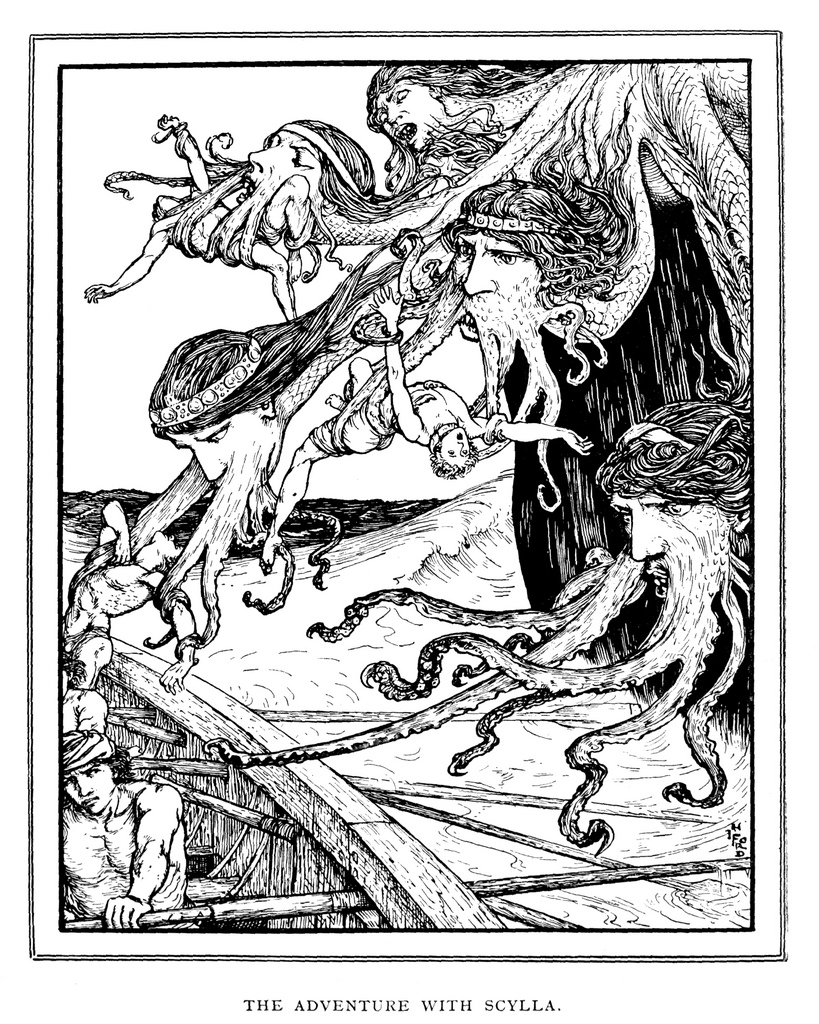
Scyllas are primordial sea monsters, terrible abominations that haunt narrow straits, lying in wait for prey. They have bodies shaped something like hydras, with scaled skin and five thick necks that end in massive humanoid heads. These heads have beards of tentacles, six tentacles each. Scyllas communicate telepathically, and they can induce fear (as the spell) once per day per head in creatures with 5 or fewer hit dice. If one head of the scylla is casting a spell, the others are still capable of attacking.

Special Qualities – Immune to fear, immune to cold, regeneration, magic resistance 40%, resistance to electricity

Spells – 3/day—control water; 1/day—control weather

When In Rome, Kill As the Romans Do

Rome looms so large in European history, and therefore on the ancient and medieval European wargames that informed so much of early fantasy RPG’s, that an article like this seems a bit useless. Of course, I’m writing it anyway, because – dang – you try generating this much web content without being useless once in a while.

Enough preamble. Let’s get down to Roman weaponry …

BIPENNIS
The bipennis, or labrys, is a double-headed axe that, depending on how one pronounces the word, could be a big hit at the gaming table. “You attack the orc with what?”

The weapons were most associated with Minoan civilization and the Greeks, and seem to have taken on quite a significant symbolic meaning, being adopted by Greek fascists, Greek metal heads and lesbians and feminists – clearly it’s a uniter and not a divider (unless used to separate somebody from their head). If you’re a cleric capable of wielding edged weapons, the bipennis might be a good one to wield.

Medium weapon; 1d8 damage; 6 lb.; 10 gp

CESTUS
Probably one of the first, “Dude, I want those” that I ever came across as a young geek getting into RPG’s. Essentially the anti-boxing glove, a cestus was made of leather strips, sometimes studded with metal or bladed, that was worn over the hands and used to beat the living crap out of people. For our purposes, we’ll use all three versions, and allow monks using the cestus, and any character with the Weapon Focus feat in the cestus, to treat them as either unarmed attacks or armed attacks, whichever is more favorable for the situation.

Cestus: Light weapon; +1 damage; 0.5 lb; 5 sp

Cestus, Studded: Light weapon; +2 damage; 1 lb.; 1 gp

Cestus, Bladed (Myrmex): Light weapon; +3 damage; 1 lb.; 1 gp 5 sp

FALCATA
The name is new, but the sword is old. Rome’s Iberian allies and mercenaries employed these slightly curved, thick bladed swords and impressed their Roman pals with how effective they were in a scrap. Because of their shape, and the weight of their blade, a falcata scores a critical hit (if you use such things) on a natural roll of 19 or 20.

Light weapon; 1d4+1 damage; 2 lb.; 15 gp

FALX
Falx are sickle-like weapons employed by the Dacians and Thracians, and later used by the Romans as siege hooks. The single-handed version was the sica, which is essentially just a sickle and is not covered here. The falx was the two-handed version, a pole weapon with a 3-ft. long wooden haft tipped by a long, sickle-shaped blade. The point could pierce helmets and the blade split shields.

Heavy weapon; 1d8 damage; 8 lb.; 8 gp

GLADIUS
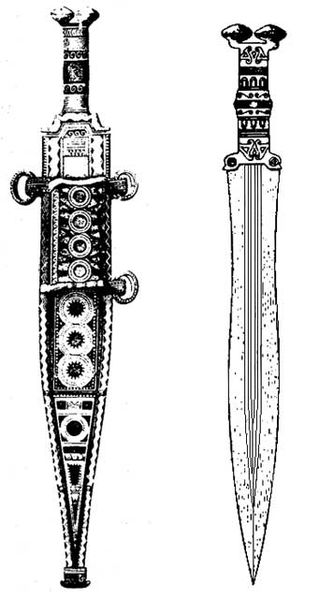
While not the first straight-bladed short sword, the gladius could be one of the best known due to their use by gladiators, who are undeniably cool. The gladius was adopted from the Celtiberians, and was known as the Gladius Hispaniensis, or “Hispanic Sword”.

Light weapon; 1d6 damage; 2 lb.; 10 gp

HASTA
Hasta means “spear”, which is handy, since hastas are, in fact, spears. They were carried by early Roman legionaries, and gave them the name hastate. In later years, they were abandoned for the javelin and short sword, but they still have their place in classical Roman violence. Hasta were about 6.5 feet long.

Medium weapon; 1d8 damage; 6 lb.; 2 gp

PUGIO
The pugio is the Roman dagger, one of the basic weapons of the Roman soldier (along with short sword, javelins and shield). Nothing fancy here, just a cool name.

Light weapon; 1d4 damage; 1 lb.; 2 gp

PLUMBATA
I remember when I first got into AD&D, the darts confused me. The only darts I had ever seen were the ones used with dart boards, and I always pictured with a smile magic-users throwing those little things at people in dungeons. The plumbata is the real deal though, the mother of all lawn darts. These darts are weighted with lead and had barbed heads. Magic-users can hurl these bad boys with their heads held high.

Thrown weapon; 1d4 damage; 0.5 lb.; 5 sp

SCISSOR
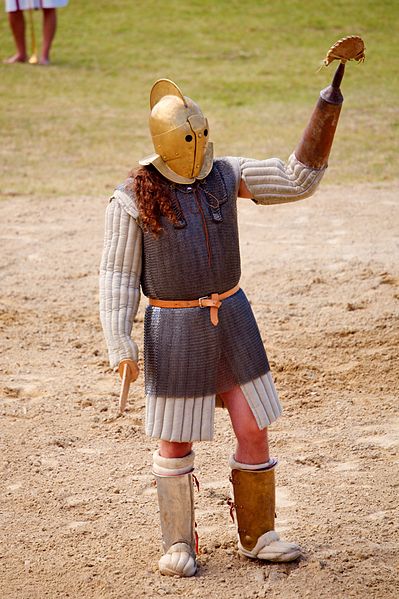
Yes, you can run with this. The scissor is a “maybe” weapon, about which very little is known. It might have consisted of a hollow, metal tube that was worn over the arm. The tube closes over the fist, and projected from this there is a semicircular blade. There was probably a crossbar in the end to assist in a gladiator controlling the weapon. The tube makes it useful as both a buckler and as a weapon.

Light weapon; 1d4+1 damage; 2.5 lb.; 15 gp

SPATHA
The spatha was the Roman long sword. Measuring about 3 feet in length, it was used in war and gladiatorial fights in first millennium AD Europe. Used primarily by the Germans, it replaced the gladius as the primary infantry weapon of the Romans.

Medium weapon; 1d8 damage; 4 lb.; 15 gp


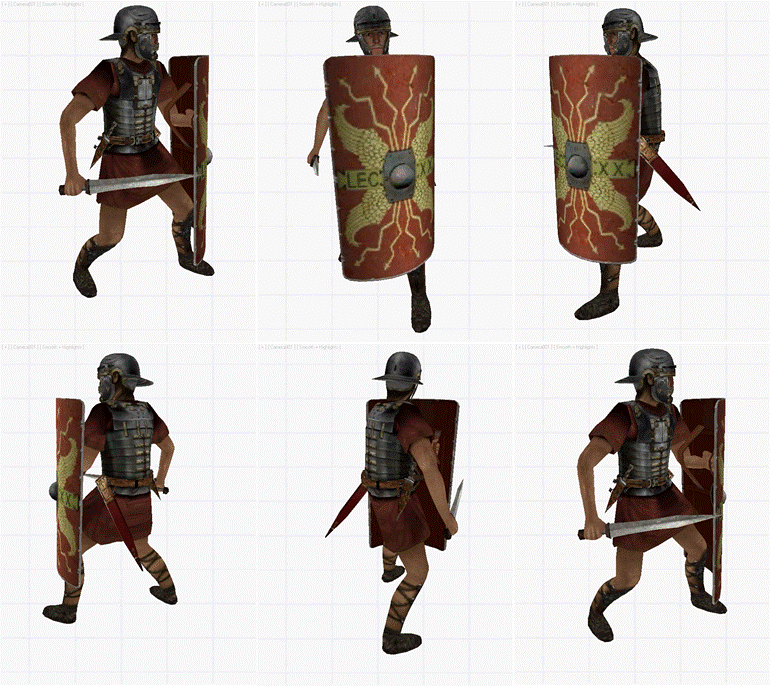
All images found at Wikipedia

Master Blaster – New Class for Blood and Treasure

Because you, the reader, DEMANDED IT!*

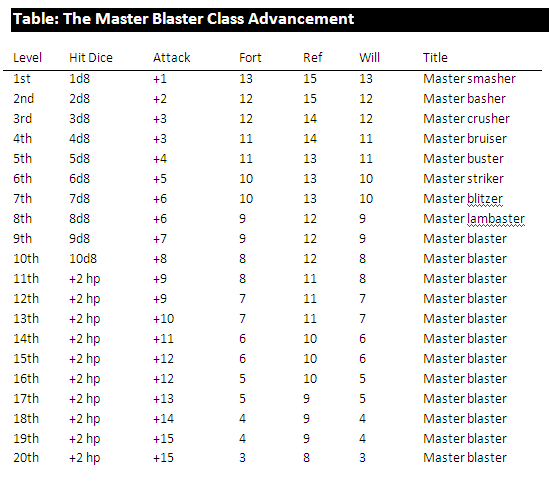
THE MASTER BLASTER

Master blasters are weird combinations of halfling thieves and bone-headed berserkers who join forces to plunder and, when the dungeons just aren’t producing, render methane from pig shit. Hey, it’s just a very specific class – deal with it.

Master blasters have one set of ability scores. The mental ability scores (Intelligence, Wisdom and Charisma) belong to the halfling “master”, while the physical ability scores (Strength, Dexterity and Constitution) belong to the human or humanoid “blaster”. If separated, assume that the master has physical ability scores of 3, while the blaster has mental ability scores of 3.

Master blasters, likewise, have a single hit point total. Again, if separated, assume that 75% of those hit points belong to the blaster, while 25% belong to the master. The character also has a single armor class – both master and blaster must wear the same sort of armor – etc. Heck – if you’re goofy enough to allow this class in your game, you can sort out the details.

HIT DICE: d8 to 10th level, +2 hit points per level thereafter

REQUIREMENTS: Strength and Intelligence of 13+, non-lawful (good)

ARMOR ALLOWED: Padded and leather armor, no shields

WEAPONS ALLOWED: Any, except bows, crossbows and firearms

SKILLS: Find/remove traps, open locks

ADVANCE AS: Barbarians

Master blasters enjoy a few benefits from their unique partnership. Because they have two sets of eyes and ears, they are only surprised on a roll of 1 on 1d8. In addition, they may attack twice each round. One attack is performed by the blaster, using the character’s normal physical ability scores, while the other is launched master, using his physical ability scores of 3. The master can only use small weapons, and thus, unless fighting a large monster, must usually restrict him or herself to thrown weapons.

Because of their physical configuration, master blasters must purchase a specially made saddle for the master. These saddles cost as much as normal horse saddles, though they are quite different in design.

Masters are trained engineers, and can make a special Will save, modified by Intelligence, to understand and operate machines. When dealing with weird machines of the ancients (or from the future), they suffer a -5 penalty to their roll. If the machinery has no obvious moving parts, they suffer an additional -5 to the roll. If the machine is magical in nature, this also imposes a -5 penalty to the roll.

A 9th level master blaster can choose to establish a stronghold in the wilderness and gain followers (see High Level Play below). The master blaster must engineer this stronghold to create a methane processing station; this methane can be used to power other machineries in the stronghold, including flame projectors and the like.

A master blaster who becomes a lord or lady attracts 1d6 swine (with one swineherd per 6 swine), 1d4 berserkers per level to their retinue, 1d4 first level barbarians as guards and 1d4 first level thieves who wish to learn the finer points of engineering. These barbarians and thieves should be generated as player characters under the control of the master blaster’s player. There is a 5% chance per barbarian that they are actually a wereboar that will be loyal to the master blaster.

* Nobody demanded it – I’m a liar.

Images found HERE

Weapon Showcase – India

Let’s get one thing straight – Indian weapons are awesome for the names alone. Firangis and kayamkulams and talwars sound wonderful, even if facing one in the hands of an angry kshatriya would be anything but pleasant. I was recently bumping around for the name of one type of sword in particular – the pata – when I came across the others and decided to write about them here, giving them some stats for Blood & Treasure. So, without further ado –

Note – all images come from Wikipedia

Aruval

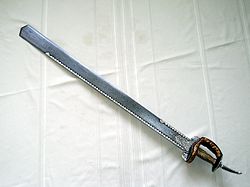
The aruval is an Indian machete-like weapon. The top section is curved and comes to a point, and gives wielders a +1 bonus to grapple attacks. The base is often kept razor sharp so it can be used for slashing.

Medium weapon; 1d4+1 damage; 2 lb.; 8 gp

Bagh nakh

The famous bagh nakh are also known as tiger’s claws. The bagh nakh consists of four or five short, curved, claw-like blades affixed to a metal cross-bar or a glove. Bagh nakh grant the user a +1 bonus to Climb task checks.

Light weapon; 1d3 damage; 1 lb.; 5 gp

Bhuj

The bhuj is also known as a gandasa, or axe-dagger. The dagger blade is affixed to an axe-like haft. The blade is short (7 to 10 inches) and broad, with a gentle curve. The haft is usually hollow and hides another slim, stiletto-like blade.

Light weapon; 1d6 damage (or 1d4 damage from stiletto); 4 lb.; 9 gp

Bichawa

The bichawa is a loop-hilted dagger with a narrow, undulating blade. Based on the maru, or horn dagger, of southern India, it is often used as an ornamental weapon. The loop hilt sometimes serves as a knuckle-guard. The weapons are about 1 foot long.

Light weapon; 1d4 damage; 1 lb.; 2 gp

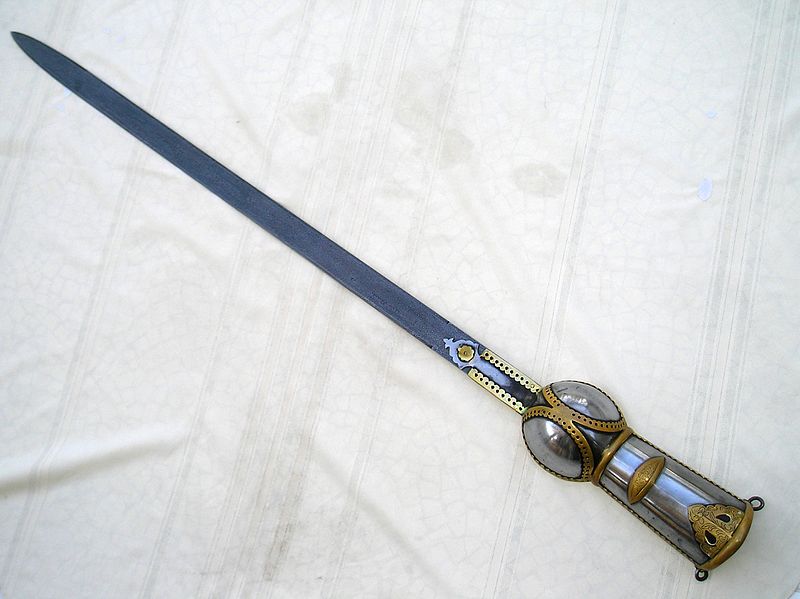
Firangi

The firangi is a long, straight-bladed sword imported into India from Portugal. The blades were manufactured in Europe, and the name of the sword is derived from the Arabic term for Europeans, al-faranji (i.e. Frank). Blades were usually 3 feet long, and either of the broadsword (double-edge) or backsword (single-edge) variety. Firangi had basket-hilts that provide the wielder a +1 bonus to save vs. disarm attacks. Because of its length, it was traditionally used as a cavalry weapon.

Medium weapon; 1d8 damage; 4 lb.; 15 gp

Gada

Monks don’t have to look like Bruce Lee

The gada is a Indian bludgeoning weapon not too different from a heavy mace. It has a large, heavy metal head in the shape of a ball on a thick, short shaft. It is often used as physical training equipment, and Hanuman favored it as a weapon. Because of the thickness of the shaft, it must be wielded with two hands save by those with a strength score of 16 or higher.

Heavy weapon; 1d6+1 damage; 9 lb.; 12 gp

Kalarippayatt

The kalarippayatt is a 2-1/2 foot long wooden stick that is used as a practice weapon by young warriors learning dagger fighting. It is also used as a weapon in its own right. It is usually made from the wood of the tamarind tree.

Light weapon; 1d3 damage; 1 lb.; 1 gp

Kayamkulam vaal

The kayamkulam vaal is a stately, double-edged dueling blade favored by the aristocracy of Nair. The blade is of medium length and tapers from the hilt to the very sharp point. It was often wielded with a buckler.

Medium weapon; 1d6 damage; 3 lb.; 20 gp

Khanda

The khanda is a broad, straight-bladed sword with very little point. A spike projects from the hilt. The khanda, having virtually no point, is not used for thrusting, but for hacking and slashing, somewhat like an axe.  The sword is double-edged and heavy.

Medium weapon; 1d6+2 damage; 4 lb.; 30 gp

Lathi

The lathi is a long staff, usually measuring about 6 to 8 feet in length, and often tipped with metal. A weapon of Indian monks.

Medium weapon; 1d6 damage; 4 lb.; 1 sp

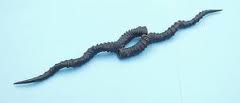
Maduvu

The maduvu is a unique Indian weapon used by the martial artists (i.e. monks) of India. Made from deer horns, it is treated as a double-bladed dagger. Monks using a maduvu keep a low profile, and use it more as a defensive weapon than offensive. Monks armed with maduvu can treat it as a shield rather than weapon during each round of combat.

Light weapon; 1d4 damage; 1.5 lb.; 5 gp

Malappuram Kathi

The malappuram kathi was an ancient form of dagger used in Kerala. The blade is about 2 feet long and thicker at the top than at the base. The hilt was made from deer horn. It is said that wounds from a malappuram kathi were difficult to heal and often became infected. This was owed either to the unique construction of the weapon or the metals used by the very few Keralan blacksmiths who knew the secret of forging the weapon.

Light weapon; 1d3+1 damage; 1.5 lb.; 2 gp

Moplah

Moplah are very short swords with wide blades – wider at the tip than the base. Moplah were worn on the back, using special belts.

Light weapon; 1d6 damage; 2 lb.; 5 gp

Parashu

The parashu is a large, Indian battle axe. Some were double-bladed, while others had a single-blade and a spike. Most were about 5 feet in length.

Large weapon; 1d8+1 damage; 12 lb.; 20 gp

Pata

The pata is a very unique Indian straight-bladed sword that incorporates a gauntlet as the handguard. The wielder places his hand in the gauntlet and the sword is held rigid pointing straight out from the wielder’s lower arm. Pata were most often wielded one in each hand, or a pata was wielded in one hand and a javelin, whip or axe in the other. Pata could be from 1 to 4 feet in length, so we can assume that dual-wielders probably used one long pata and one short pata. The gauntlet guard gives the wielder a +2 bonus to save vs. disarm attacks.

Short Pata: Light weapon; 1d4+1 damage; 2 lb.; 10 gp

Long Pata: Medium weapon; 1d6+1 damage; 4 lb.; 15 gp

Talwar

The talwar is a curved sword that originated with the Turkic peoples of Central Asia. Wider than similar Middle Eastern swords, it usually had a disc hilt. Because the blade is not too tilted, it is useful for slashing and thrusting, and because the tip of the blade is especially heavy it was quite useful for amputating and decapitating opponents. When wielded by an attacker with at least a +3 attack bonus (and the Weapon Focus feat, if feats are used in your game), the talwar deals a critical hit on a roll of 19 or 20; though a critical hit on a “19” allows the target a Reflex saving throw to avoid it.

Medium weapon; 1d8 damage; 5 lb.; 15 gp

Trishula

The trishula is an Indian trident that also serves as a potent Hindu and Buddhist symbol. Although as a symbol it is often pictured without the haft, as a weapon is it usually hafted. Hindu clerics of war often choose the trishula as their weapon.

Medium weapon; 1d6+1 damage; 4 lb.; 15 gp

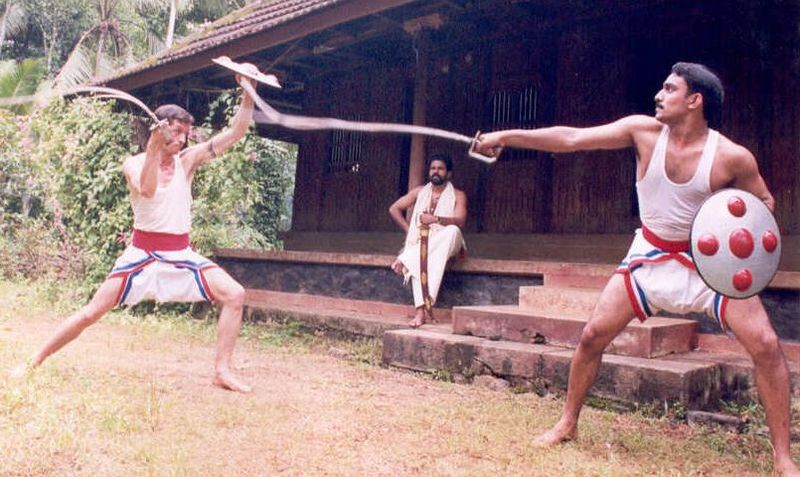
Urumi 

The urumi is a long sword with a flexible blade. The blade is sturdy enough to slice through flesh, but flexible enough to be rolled into a coil. The urumi is almost as dangerous to the wielder as it is to the target, and any time an urumi-wielder rolls an attack roll that is less than 20 – his attack bonus, he must pass a Reflex save or suffer 1d4 points of damage. Wielders with an attack bonus of at least +3 (and the Weapon Focus feat if this feat is used in your game) can choose to brandish the weapon, swinging it back and forth before them in arcs – when doing so, any creature attacking them in melee combat with a weapon shorter than 4-ft. must pass a Reflex save each round or suffer 1d4 points of damage.

Medium weapon; 1d6+1 damage; 6 lb.; 28 gp

Image from http://en.wikipedia.org/wiki/File:Urmi-Payattu.jpg

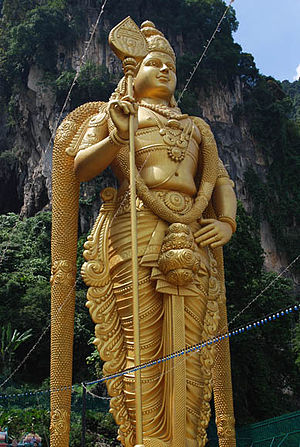
Vel

The vel is a broad-bladed spear used primarily by the Tamils in combat. The weapon’s name is derived from the divine weapon of the Hindu deity Murugan.

Thrown weapon; 1d6 damage; range 40/80; 3 lb.; 2 gp

Murugan’s Vel: +3 holy vel; when hurled against a tree, it splits the tree into two halves, which become celestial animals of Murugan’s choosing

Seasonal Beasties – Ladies in Grey

In the fall, the earth begins to fall asleep, and sleep was the inspiration for this next seasonal beastie …

LADIES IN GREY

Women in gray are fey spirits who appear as elegant elven women. The are clad in ruffled silks of teal and dun and dappled bodices of velvet, their collars and wrists ringed in lace. Their skin is as white as bleached bone, their thin, enticing lips are champagne, their hair platinum and their eyes xanadu. They are, no doubt, lovely, but they do not inspire love.

Ladies in grey appear when the wind turns chill and the leaves begin to fall. One might think of them as the harbingers of winter. They walk through the streets of villages and down woodland paths, a chill following them wherever they go. It is said they speak of deep secrets in the hush, honeyed voices, and their raison d’etre is to lay low the powerful to make room for new blood.

In any situation, the ladies in grey will focus their attentions on the most powerful (by levels or possible hit dice) person in their presence. They move swiftly, their bodies and clothes blurring as they do so, and those who enter melee with them must pass a Will save each round or be affected as per the slow spell from the hypnotic quality of their blurred movements. If engaged in hand-to-hand combat, they can produce a slim, silver sickle, but prefer to use their own chilling touch.

Those touched by a lady in grey must pass a Fortitude saving throw or be cast into a deep slumber from which they cannot easily be awakened. The amount one fails the save indicates the amount of time they slumber:

MISSED BY … DURATION
1 … 1d4 rounds
2-3 … 1d4 minutes
4-5 … 1d4 turns
6-7 … 1d4 hours
8-9 … 1d4 days
10-11 … 1d4 weeks
12-13 … 1d4 months
14-15 … 1d4 years
16+ … 1d4 decades

While slumbering, a victim is placed in stasis – they do not age, nor are the affected by any beneficial or deleterious effects currently on their person, such as spells like bless or poison or disease. They can be harmed and healed while sleeping. While sleeping, half of their life force (i.e. half their levels or hit dice, rounding up) are drained from them and into the surrounding landscape, making plants within 10 feet grow lush and bloom. When they awaken, they must pass one Fortitude saving throw per level or hit dice lost, or lose that level or hit dice permanently.

A person can awaken a sleeping creature with a kiss, but doing so imparts one of their one levels or hit dice to the slumberer. This means that the slumberer need not roll a Fortitude saving throw for one of their lost levels or hit dice.

Lady in Grey, Medium Fey, Average Intelligence: HD 5; AC 14; ATK 1 sickle (1d4) or touch (sleep – see above); MV 30; F13 R11 W11; AL Neutral (N); XP 1250; Special – Sleep touch, blur effect, slow effect – see above.

Happy Thanksgiving, One and All!

From We Heart Vintage

Just a quick note today to wish everyone (American or not) a happy day. It’s always a good idea to stop and take an inventory of the blessings in your life, and among mine is the audience of folks who read my blog and buy my stuff. You folks have given me, through your attention and your cold hard cash, an opportunity to pretend to be a real grown up writer, and I appreciate it more than you know.

As a way to show my appreciation, I’m put all of my books at Lulu are now 10% off between now and the end of the year (not the PDF’s though – they’re cheap enough already). At the moment, Lulu is doing a 30% sale as well (code is DELIRITAS), so if you’ve been waiting to buy NOD or Blood & Treasure or anything else, now’s the time! Remember, with Blood & Treasure, I’ll send you a link for a free download of a PDF when you buy a hard cover book – just email me the receipt.

In other news, I’ve commissioned the first bits of character class art for the Nod Companion, which will gather together classes, races and other useful character bits from the NOD magazines, revising and updating them for Blood & Treasure. It will also include a brief run-down of the Land of Nod’s history and major city-states and peoples, for those who want to know more and can’t wait for me to hex crawl the entire planet (yeah, that’s just about what I’m aiming for – I might skip a bit of open ocean, but I do want to hex crawl the entire landmass).

And finally, to keep this post useful …

HELL-PUNKINS

Hell-punkins are orange gourds that are grown in the swamps of Hell. They are steeped in hatred and misery and, when the air turns cold, heaved out of the depths to spread fear on the Material Plane.

Hell-Punkins look like large pumpkins (usually about 3-ft in diameter) with burning red eyes and jagged mouths that look as though they were ripped into the flesh of the plant by the plant’s own burning desire to nibble on the flesh of innocents. A single long tendril (8 feet) rises from the top of the plant.

Hell-Punkins can breathe cones (10 ft.) of molten gunk and seed from their mouths once per day. The gunk initially does 2d6 points of damage, and if the target fails their Reflex save to cut the damage in half, sticks to people’s skin and deals another 1d6 points of damage the next round. More importantly, the seeds in the gunk begin to sprout the second round, digging roots into the person’s blood (1d4 points of damage) and then sprouting forth in tendrils that grow quickly, entangling the victim (per the spell entangle). Victims killed by this burning gunk eventually become the fodder for a new crop of hell-punkins.

The creatures move by bouncing and utter a wheezy cackle of delight when they discover new victims.

Demons and devils enjoy a spicy pie made from hell-punkins, a pie that deals 3d6 points of internal damage to most humanoids.

Hell-Punkin, Small Plant, Low Intelligence: HD 3; AC 16; ATK 1 bite (1d4) and 1 tendril whip (1d4/10′ range) or breathe burning gunk; MV 20; F13 R14 W15; AL Chaotic (CE); XP 300; Special – Breathe gunk, immune to fire and poison, magic resistance 15%

Seasonal Beasties – The Applejack

In the days of questionable water safety, man developed alcoholic beverages as a way to hydrate without also succumbing to any of a number of horrible diseases and parasites. In colonial America, for example, far more apples were turned into cider and applejack than were baked into pies or eaten raw. Unfortunately, in a fantasy world magic often enters the picture.

Some halfling witch of antiquity, miffed at not being invited to the moot, concocted a devilish plan. She invented a magical parasite that could withstand the fermentation process and introduced it to an apple orchard. While only a very few of these parasites managed to actually survive fermentation, the result was devastating. The parasites survived past the witch’s curse, and now appear seemingly at random in apples all over the fantasy realms. The parasites enter the body through the digestive system when an alcoholic apple-based beverage is consumed, and then go to work on body and brain. After ingesting a parasite, a person (non-humanoids are unaffected by the parasites) must pass a Fortitude saving throw or begin a startling transformation.

The victim, usually nicknamed applejacks, gets a wild look in his or her eye and falls to the ground, writhing about while they are transformed into a monstrous version of themselves. Their skin becomes a deep crimson, their eyes bloodshot, their lisp curl back to reveal their teeth and the hair all over their bodies grows thicker. The applejack then springs from the ground and begins attacking everyone in sight. The transformation and violent behavior last about 1 hour.

The applejack has the same number of hit dice of its host, plus five. The applejack stats below assume the base creature is a 0 HD human being.

An applejack primarily attacks with fists and feet. The victim of the creature’s attack must pass a Fortitude saving throw or be knocked backwards 1d4+4 feet and stunned for 1d4 rounds. After the stunning wears off, the victim must make an additional Will save or be confused – in essence, they act as thought inebriated.

The applejack does not appear to be interested in killing, only knocking people about and committing as much property destruction as possible. Non-magical wooden weapons that strike an applejack must pass an item saving throw or break on contact, and non-magical shields employed against an applejack must pass an item saving throw every other round or likewise be destroyed.

When a person finally comes out from under the influence of the parasite, they fall into a deep sleep and transform back to normal, though they retain a ruddy hue to their faces and their additional hair remains for a few days before finally falling out. They rarely remember the experience, but about 1 in 20 do remember, and gain the ability to go into a berserk rage (per the barbarian class) once per day for about 30 days.

Applejack, Large Monstrous Humanoid, Low Intelligence: HD 5; AC 17; Atk 2 fists (1d6 + knock back and stun and confusion); Move 40; F12 R11 W12; AL Chaotic (CE); XP 500; Special – Knock back, stun, confusion, break wooden weapons and shields, insensitive to pain, weapon resistance, immune to mind-affecting spells.

Image found HERE