Another Friday, another Deviant. This week, I’m highlighting Thomas Boatwright, who, despite his name, makes art rather than boats.


Another Friday, another Deviant. This week, I’m highlighting Thomas Boatwright, who, despite his name, makes art rather than boats.

Continuing the Gods of the Motherlands with Hercules through Minerva.
Also – For those that purchased an electronic copy of NOD #4, I have attached the missing cover. You should be able to download it again with the cover – if not, let me know and I’ll send it to you as a PDF.
Hercules
Donar, Heracles
Lawful god of strength, adventure, heroism and rebirth
Wields a club
Patron deity of Guelph
Served by elohim and cherubim
Symbolized by a lion
Clerics can cast the magic-user spell Strength
Hercules is strength personified. While still an infant, he strangled two huge snakes with his bare hands. Hercules is a fearless adventurer whose many escapades are the stuff of legend. A robust, cheerful man, he has an appetite for food and women that almost equals that of his father.
Hercules appears as a stout man with a long beard, usually wearing a lion’s skin or leather armor, brandishing a large, wooden club. Hercules is the son of Jove by the mortal woman Alcmene. Being born by Jove from an extra-marital tryst has earned Hercules the enmity of Juno, protector of marriage and sister-wife of Jove.
Hercules is best known for his Twelve Labors, quests he had to complete to atone for killing his own children when he was driven insane by vengeful Juno. The labors included killing a giant lion, hydra, giant deer, giant boar, cleaning stables, killing the Stymphalian birds (giant cranes with metal beaks), capturing a giant bull, rounding up carnivorous horses, stealing the girdle of Hippolyte, queen of the amazons, herding the cattle of Geryon, fetching the Apples of Hesperides and capturing Cerberus, guard dog of Hades. Because many of these labors included slaying giant beasts, Hercules is often taken as a patron by rangers.
Grande Tourney (July 22 – August 7): During the Hercules’ tournament, people compete at various athletic and musical contests. Brass tripods are awarded to the victors.
Jove
God, Jupiter, Zeus
Lawful god of the upper sky and royalty
Wields a lightning bolt
Patron deity of Nomo
Served by angels and air elementals
Symbolized by a lightning bolt
Clerics can cast the magic-user spell Lightning Bolt as a 5th level spell, dealing damage as though 2 levels lower.
Jove is the king of the gods, though his command over them is far from absolute and his decisions are often challenged. Jove is the god of the sky, the ruler of all high things, including the clouds, rain, wind, thunder, and mountain summits. He is the protector of laws, friend of the weak, and dispenser of justice. Jove is also worshiped as Father Oak, or the Green Man, the masculine force of procreation.
Although Jove can take any form he wishes, he often assumes the form of a powerful, bearded man with regal bearing when he visits the mortal world. His true form is that of a ball of fiery light so intense that no mortal can look upon him without bursting into flames.
Jove is the husband of Juno, queen of the gods. He is the father of Minerva, Apollo Helios and Hercules. His brothers are Neptunus, ruler of the oceans, and Plutus, ruler of the Underworld. Jove’s father was Saturn, king of the titans.
Gulestide (December 22-28): Gulestide is not only a time of feasting and merriment, but also a time when the world is turned upside down; masters and slaves, teachers and students and nobles and peasants switch places for a time, with the proceedings led by an elected Lord of Misrule.
Juno Regina
Hera, Saturnia
Lawful goddess of women, marriage and cattle
Wields a spear
Served by angels and erinyes
Symbolized by the cow, peacock or pomegranate
Clerics of Juno can, at 5th level, summon an erinyes once per month to punish an oath breaker
Juno is the goddess who protects women and the sanctity of marriage. She is known for her vengeful nature, especially toward the paramours of her husband Jove. She is the queen of the gods, often depicted enthroned and wearing a diadem and veil. Poets usually describe her as cow-eyed, indicating large, beautiful eyes.
Offerings to Juno take the form of pomegranates and poppy seeds, or ivory ornaments in the shape of pomegranates and poppy seeds.
Juno is the wife and elder sister of Jove and the daughter of Rhea and Saturnus. Her children by Jove are Mars, Juventas, Discordia and Ilithyia, goddess of childbirth. She reputedly created Vulcan without the aid of her husband in response to his creation of Minerva.
Matronalia (June 1): On this day, women perform rites in the temple of Juno. They are permitted to wear their hair down and not permitted to wear belts or any knots in their clothing. Husbands are expected to say prayer for their wives and children give presents to their mothers.
Mars
Ares, Camulus
Chaotic god of war
Wields a spear
Patron deity of Azsor
Served by demons
Symbolized by a spear and shield
Clerics of Mars are permitted the use of swords, though they must be cleaned of blood after use and anointed with expensive oils (worth 10 gp with each use)
Mars is the god of blood lust and slaughter. He is fond of strife, anger, and unrestrained blood-letting. As such, he is not a very popular god and is only worshiped by a large numbers of people in the city-states of Guelph and Nomo. Vultures and dogs are sacred to him.
Mars usually appears as a large man with burning, hateful eyes and a permanent scowl etched across his mouth. He wears ornate platemail armor and carries a flaming sword.
Mars is the son of Jove and Juno, the husband of Bellona and the lover of Venus. He is attended by Deimos (terror) and Phobos (fear) in battle, his sons by Venus, and by Adrestia, his daughter by his sister Discordia. Other members of his retinue are Nike, the deathless spirit of victory, Kydoimos, the demon of the din of battle, the Makhai (battles), the Hysminai (man-slaughters) and Alala, personification of the war cry. Mars’ other children by Venus are Cupid and Harmonia.
Armilustrium (November 12): On this day weapons of the army are purified and stored for the winter. The army is assembled and reviewed and garlanded with flowers. Trumpets blare and citizens gathered with their arms and armor take part in a procession with torches and sacrificial animals. Young noblemen dressed as ancient warriors with red capes take part in ritual dances.
Mercurius
Hermes, Lugus, Psychopompos
Lawful god of trade, gambling, thieves
Wields a club
Patron deity of Blackpoort
Served by elohim
Symbolized by a cadeuceus, tortoise, cock or winged sandals
Clerics can cast the magic-user spell Charm Person
Mercurius is the god of travelers, merchants, thieves, gamblers, athletes and eloquent speech. He also serves the gods as a messenger and an arbitrator of disputes. As a god of travelers and a slayer of giants (Argos, in particular), some rangers choose to worship Mercurius as their patron.
Mercurius is depicted as a handsome, athletic youth wearing a broad-brimmed traveler’s hat and carrying a white caduceus (winged rod entwined by two serpents).
Mercurius is the son of Jove and Maia, a daughter of Atlas. His children include Faunus, the god of satyrs, Hermaphroditus, a man merged with the nymph Salmacis, Fortuna, goddess of fortune, and Autolycus, prince of thieves and grandfather of Ulysses.
Shrovetide (April 1): Merchants sprinkle their heads, ships, wagons and merchandise with holy water. Shrovetide is a day of raucous celebrations with a carnival atmosphere.
Minerva
Athena
Lawful goddess of wisdom, crafts, strategy and war
Wields a long sword
Patron deity of Gwenth
Served by angels
Symbolized by an owl
Clerics can cast the magic-user spell Shield (see below)
Minerva is Jove’s favorite daughter and the virgin goddess of strategy, architecture, sculpture, spinning, weaving, horses, ox olives, prudence, and wise counsel. Though she is a warrior goddess, she is no less skilled in the arts of peace, inventing the potter’s wheel, teaching men to tame horses and helping them to build great ships. Minerva is also a patron of chivalry and knighthood.
Minerva is depicted as a statuesque woman of great beauty attended by an owl. She wears the Aegis, a breastplate of goatskin with serpent fringes, a shield that bears a gorgon face, and a helm decorated with a winged lion.
Minerva was created by Jove without a mother, and as a virgin has no offspring of her own. She is often accompanied by Nike, the goddess of victory. She has aided many heroes, including Ulysses, Jason and Hercules.
Candlemas (February 1): The highlight of the day are candle-lit processions and rites of purification. It is especially an artisan’s holiday. Women consult fortune tellers on this day, plays are exhibited, and contests for orators and poets are held.

My intentions are to sell Mystery Men! as a free PDF and in book form as cheaply as I can manage, i.e. I’m not going to make money on this deal. The idea is to have an affordable, rules-lite comic book hero game that jibes with the good old fashioned fantasy rules we all love. Now, every set of rules looks better with some art, and since no gratis art has been forthcoming I’ve been talking with an artist who can provide eight pieces of character art at a reasonable price – I’m thinking maybe five heroes and three villains. Anyhow – this means I’m going to need to go the patronage route for this book to raise the money. Kickstarter is a website that makes this possible, and given their policies I would need to pull in approximately $220 to make this project go.
My problem is this: Since I’m not really making any money on the deal, I don’t have much to offer patrons outside of putting their name in the book. I mean – the PDF is free and the book is print-on-demand. I thought about purchasing copies of the book at cost and distributing them to the higher-level patrons, but with the additional cost of buying the books and paying for postage, I would have to add another $200 to the total I need to raise.
My question to the readership is – Do you think acknowledgment is enough to get people to drop $10 or $20 to make this happen? My thinking is: Silver Age Patronage for $10 gets your name in the book as a silver sponsor, and a $20 Golden Age Patronage gets your name in the book as a gold sponsor and I insert your name somewhere in the sandbox that will accompany the rules – like the hero team’s HQ is located in the Smith Building, where Smith is the name of the first Golden Age Patron we get. The other idea I had was to let Golden Age Patrons vote on which public domain heroes to include in the book.
I look forward to hearing people’s ideas on this – I’d love to make this project a good one.
UPDATE
I’m going to go for it. My intentions are as follows:
Silver Age Patrons: 10$, and you get:
– Acknowledgment as a Silver Age Patron in the game
– An electronic copy of a golden age comic book that includes a preview copy of a piece of artwork and a note of thanks from me
Golden Age Patrons: 20$, and you get:
– Acknowledgment as a Golden Age Patron in the game (bigger font than silver age)
– An electronic copy of a golden age comic book that includes a preview copy of a piece of artwork and a note of thanks from me
– A voice in which golden age heroes and villains are included in the game (and thus drawn by the artist)
– Your name included in the sample setting, for example as the editor of the Daily Ray, owner of radio station WEGG, chief of police, etc. Assignment of names will, in the grand tradition of old school role-playing games, determined randomly.
Any extra money garnered will go toward commissioning additional art for the game. I have to submit the idea to Kickstarter for approval, and if I get it we’ll have a limited time, probably 30 days, to raise the money. If Kickstarter goes for it, I’ll put a link to the project on this blog. If not, I’ll probably attempt to do the patronage thing myself using Paypal.
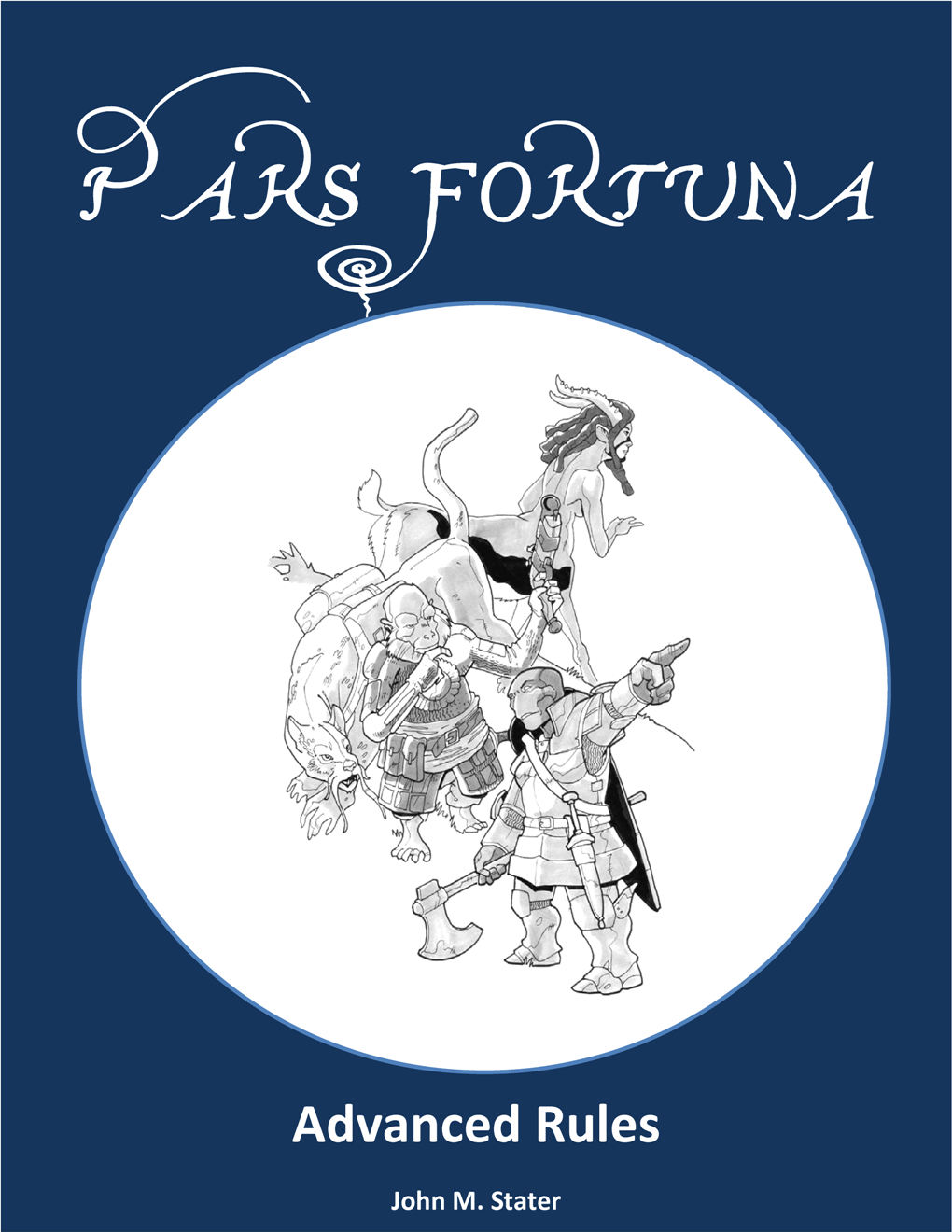
Here are my latest attempts at making something I don’t hate …


The Priestly Colleges
Although many deities are worshiped in the Motherlands, the following deities are the most popular and well known. Most city-states have a temple or shrine to each of them. Each city-state in the Motherlands has a college of priests (usually 10 to 20), with one priest assigned to manage each temple. The college is headed by a pontiff, and each temple priest is assisted by a staff of lesser clergy. Some city-states have an upper college dedicated to the Motherlander deities and a lower college that oversees the temples of foreign deities.
Apollo Helios
Apollon, Apulu, Belenus
Lawful god of sun, music, archery and herdsmen
Wields a bow
Patron deity of Antigoon
Served by elohim and nymphs
Symbols are the lyre, crook, sunburst or cross
Clerics can cast the magic-user spell Fireball as a 5th level cleric spell, dealing damage as though 3 levels lower.
Apollo Helios is the god of the sun, archery, medicine, healing, light, truth, oracle, colonists, patron defender of herds and flocks, music and poetry, homosexuality, harmony, order, reason and plague. He helps ripen crops, destroys pests, cures illnesses, and protects shepherds and their flocks. Apollo is not entirely beneficent. He carries a bow with terrible arrows that visit plague and disease upon the targets he fires them at.
In his true form, Apollo Helios is a beardless young man of divine beauty who radiates warmth and light. Apollo Helios always carries a lyre or longbow; in fact, the object he carries can take either form as the god desires.
Apollo Helios is the son of Jove and Leto, half-brother of Mars, Minerva and Hercules and twin brother of Diana.
Midsummer’s Day (May 15): People build huge bonfires and walk themselves and their livestock between them to protect them from the diseases of warm weather. Masked mummers frolic and folk stay up all night making merry.
Atlas Telamon
Lawful god of strength, perseverance, exploration
Wields a club
Patron deity of Dweomer Bay
Served by devas, giants
Symbolized by a globe or compass
Clerics can cast the magic-user spell Enlarge
Atlas is worshiped not only as a deity of strength and endurance, but also as a god of exploration and cartography. He is the strongest of the titans who separates the heavens from the earth. Atlas appears as a giant of man holding the tools of exploration: compass, sextant, spyglass and globe.
Atlas is the son of Japetus and Clymenem, the daughter of the titan Oceanus. His brothers are Prometheus, Menoetius and Epimetheus. His own children are mostly daughters, and include the Hesperides by Hesperis, the Hyades and Pleiades by Aithra, and Calypso, Dione and Maera by unspecified goddesses.
Atlas’ temples are supported by merchant societies and in turn fund cartographers and explorers. Temples of Atlas are decorated with images of exotic lands, animals and people. The classic cleric of Atlas will wear three-quarters plate and be found at the head of a column of explorers plunging into unknown lands.
Ceres Dea Frugu
Demeter
Neutral goddess of grain, agriculture and fertility
Wields a staff
Patron deity of Lyonesse
Served by fey creatures, earth elementals and erinyes
Symbolized by a poppy, sow or mare
Sacred animals are the bear, crow and horse
Druids can cast the spell Respite from Death
Ceres is the queen of the fruitful earth, goddess of agriculture, and patron of motherly love. Without her blessing, no crops may grow on the earth. Ceres will not hesitate to use this fact to blackmail men and other gods if the need exists. Ceres also has control over the weather. A sow is sacrificed to her when a death occurs in a family. Ceres is a usually a benevolent goddess. If her worshipers ignore their duties, however, she does not hesitate to destroy their crops and send famine upon them.
In her true form, Ceres is a beautiful woman, but she can change her own shape and that of others at will. She carries the cornucopia, or horn of plenty, and a scepter.
Ceres is the daughter of Saturn and Rhea and sister of Jove, Juno, Vesta, Neptunus and Plutus. She is the mother of Persephone by Jove. When pursued by Neptunus, she took the form of a mare to escape him. She could not hide her divinity, though, and Neptunus took the form of a stallion and coupled with her, producing a daughter called “the Damsel”, who leads the avenging erinyes, and a black-maned, divinely swift, speaking horse called Arion.
Lammastide (August 1): Celebration of first fruits, when loaves are baked from the first harvested grain and shared with friends and family.
Respite from Death (Druid Level 4): A recently killed comrade’s soul is released from the Land of the Dead as a shade for a limited time. If the person’s body has not been destroyed, it can re-animate it as a zombie with the mentality of the deceased (with one half of the deceased memorized spells, determined randomly, and all special class abilities except saving throws and attack bonuses, which are per a zombie’s statistics). The shade can persist in the re-animated body for 24 hours only. If the body cannot be inhabited, the shade uses the statistics of a shadow, but can only remain for 1 hour. In either case, the soul cannot subsequently be raised, resurrected or reincarnated for a period of 9 months.
Diana Prima Dea
Artemis, Brigantia, Nicevenn
Neutral goddess of maidens, the moon and hunting
Wields a bow
Patron deity of Tremayne
Served by dryads, nymphs and giant animals
Symbolized by a boar or the moon
Sacred animals are the eagle, boar and wolf
Druids may cast the spell Coursing Hound
The huntress Diana is the patroness of young girls and the mistress of beasts and all wild things. Because she will have nothing to do with men, she is a favorite goddess of the Amazons. Except for helping women during childbirth, she avoids involving herself in mortal concerns and matters. She values her privacy, and will severely punish any man violating it. Merchants, always on the hunt for profits, also pray to her to give them persistence.
In her true form, she appears as a slim young girl wearing buckskins and carrying a longbow. She is sometimes mounted upon a stag. Oak groves are sacred to her. Diana is the daughter of Jove and Latona and the twin sister of Apollo Helios. She is associated with the water nymph Egeria and the woodland god Virbius.
Diana’s high priest is the rex Nemorensis, or “King of Groves”, stationed near a sacred lake near Tremayne. The rex Nemorensis attains the position through a trial by combat, killing the reigning king of the grove. Combat may only be initiated, though, if the challenging druid is able to pluck a golden bough from one of the trees in the sacred grove.
Those trees in whose dim shadow
The ghastly priest doth reign
The priest who slew the slayer,
And shall himself be slain.
Whitsuntide (May 15): On this day Whitsun Ales (fairs) and horse races are held, mummers dress as wild forest men, and hunting is forbidden.
Coursing Hound (Druid Level 2): The druid conjures a ghostly hound that can track on a roll of 1-5 on 1d6 (-1 chance for each day since the tracks were made, additional -1 chance if the tracks have been obscured by snow, hard stone or running water). The hound exists for 24 hours and cannot attack or be attacked.
Hecate
Hekat, Trivia
Neutral goddess of ghosts, witchcraft and curses
Wields a dagger
Served by demons and the fey
Symbolized by a torch and key
Sacred animals are the wolf, serpent and horse
Priests can cast the spell Entrancing Dance
Hecate is the enigmatic and dark virgin goddess of the undead and witchcraft. She is also associated with childbirth and rearing, doorways, walls, crossroads, torches and dogs. Most city-states, towns and villages honor her with, at the very least, a shrine and a lichfield. She is also associated with the concoction of medicines and poisons, thus making her a patron of alchemists, apothecaries and assassins. Hecate is served by chaotic clerics and druids.
Hecate is depicted as a three-headed goddess, either with the heads of three maidens or with the heads of a dog, serpent and horse. She is the daughter of the titans Terra and Uranus, the Earth and Sky.
The most common offering to Hecate is meat left at a crossroads. Dogs are sometimes sacrificed to her. A more intense ritual requires one to bathe in a stream of flowing water at midnight, don dark robes, dig a pit and then offer a libation of honey and blood from the throat of a sheep. The libation is placed on a pyre next to the pit by the petitioner, who then leaves the site, never looking back.
Hallowtide (Nov 1): The boundaries between the Mortal World and the Ethereal Plane are thinnest on this day. People light bonfires, stay up all night, drink beer and enjoy the end of the harvest season.
Entrancing Dance (Cleric/Druid Level 3): As the priest dances, all those present (except the priest’s allies, unless the priest chooses to affect them as well) must save or become entranced. A new save must be made each round the priest dances without interruption (i.e. takes damage), and a dancing priest loses any dexterity bonus to Armor Class. Entranced creatures take on a bestial aspect and begin attacking one another savagely (+2 to hit and damage) until no rivals survive or the dance stops.
I’m back from Iowa and catching up on email and work. I have quite a few irons in the fire at the moment, so posting here might suffer a bit. Tonight, I’m going to begin posting the Gods of the Motherlands – i.e. the Greco-Roman pantheon through a medieval prism. Later this week, I’ll begin posting the sandbox material for Western Venatia and, since I just got some excellent art for some PARS FORTUNA monsters, I’ll post that art and a preview of those monsters’ stats. Right now, I’m aiming for NOD #5 releasing in early October, PARS FORTUNA in November/December and NOD #6 in November or December. I have another little side project I’m starting as well – hopefully more on that later. In the meantime, I’m attaching my rough draft on a cover for Mystery Men! Note that the price is just a placeholder, I don’t know what the price is going to be yet, and I intend the PDF to be a free download.
Oh – I’m also trying to figure out how I’m going to find time to do some playtesting for PARS FORTUNA what with all the other things I’m trying to do. Anyone who is interested in doing some playtests with their group, let me know and I’ll try to work up a beta-test document with the basic rules for you to use.
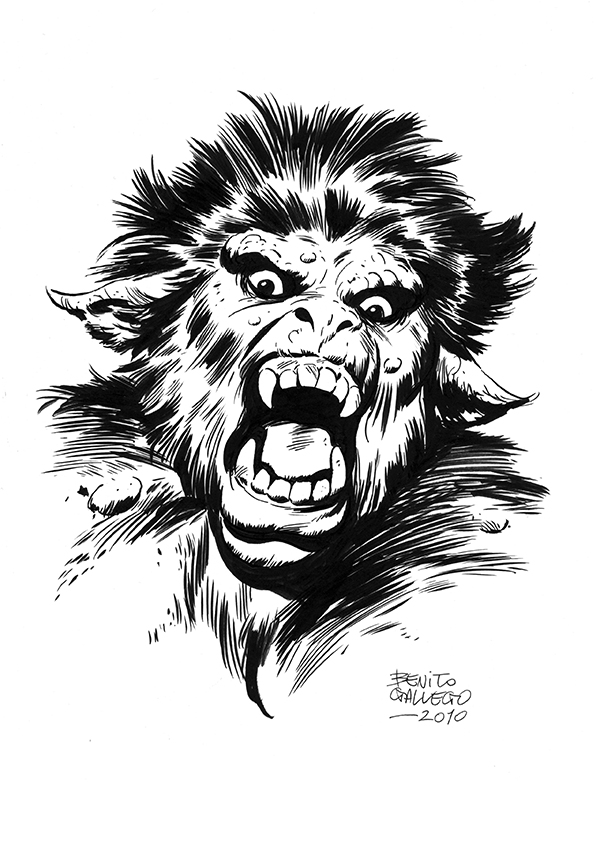
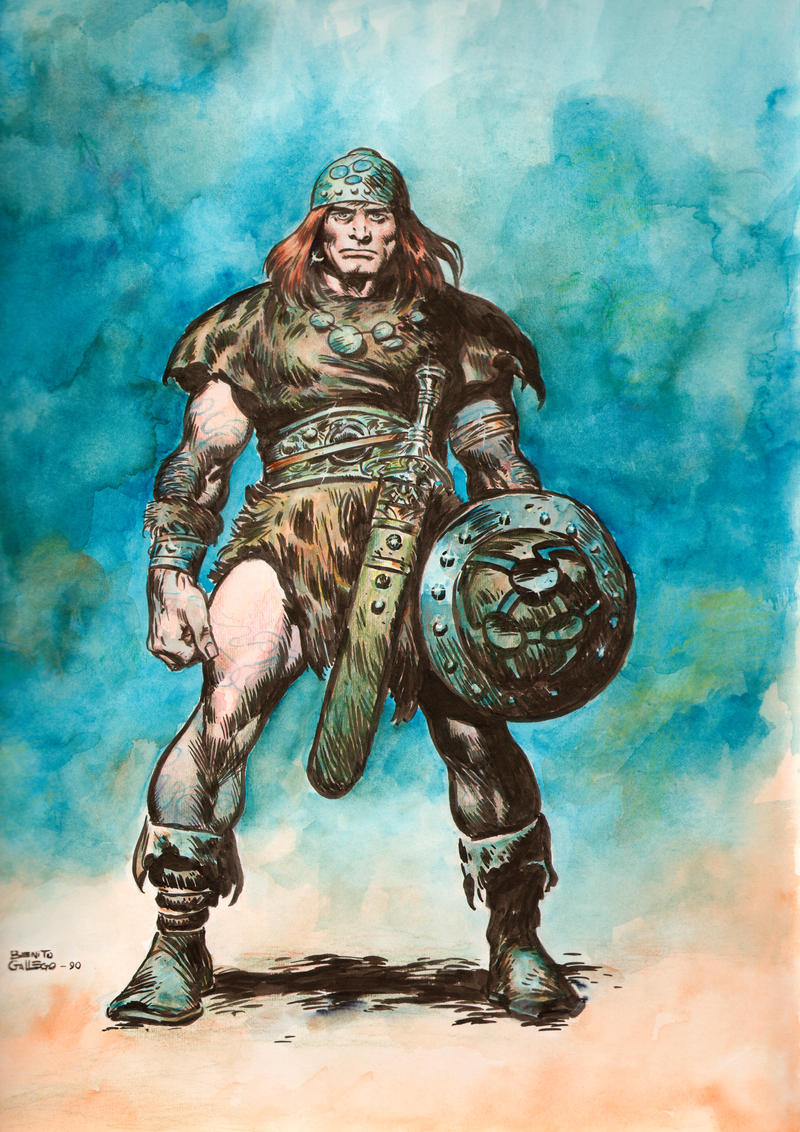
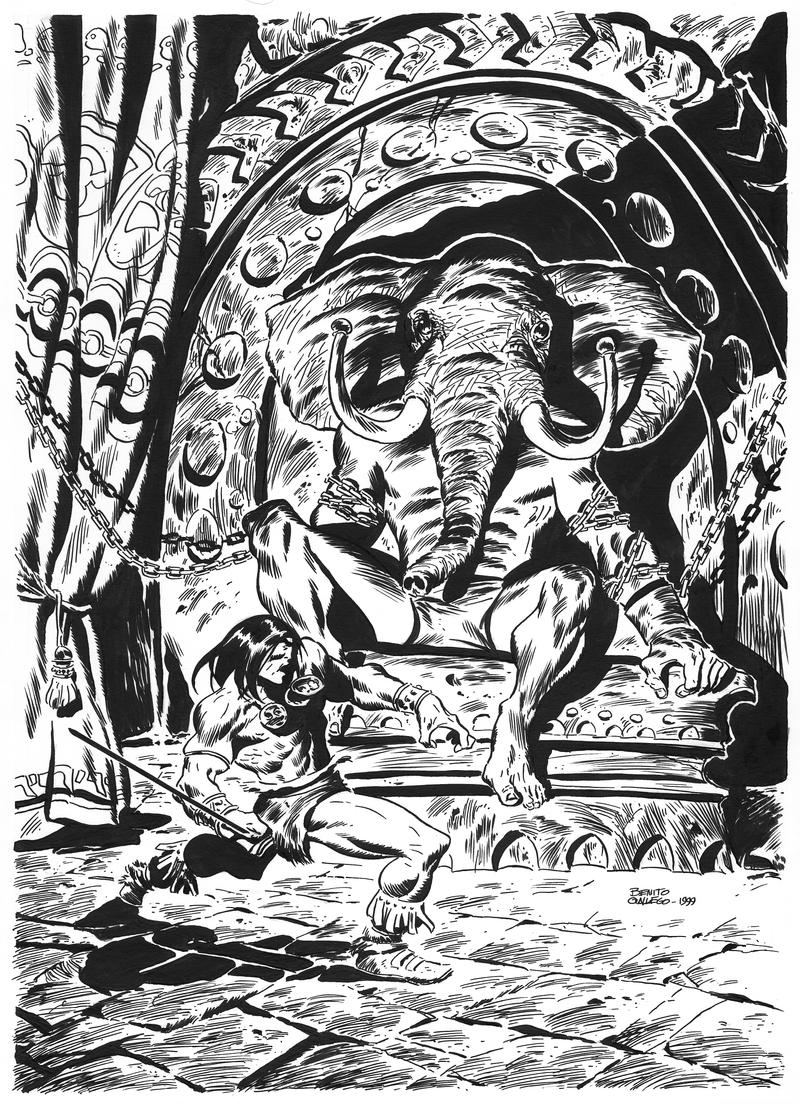
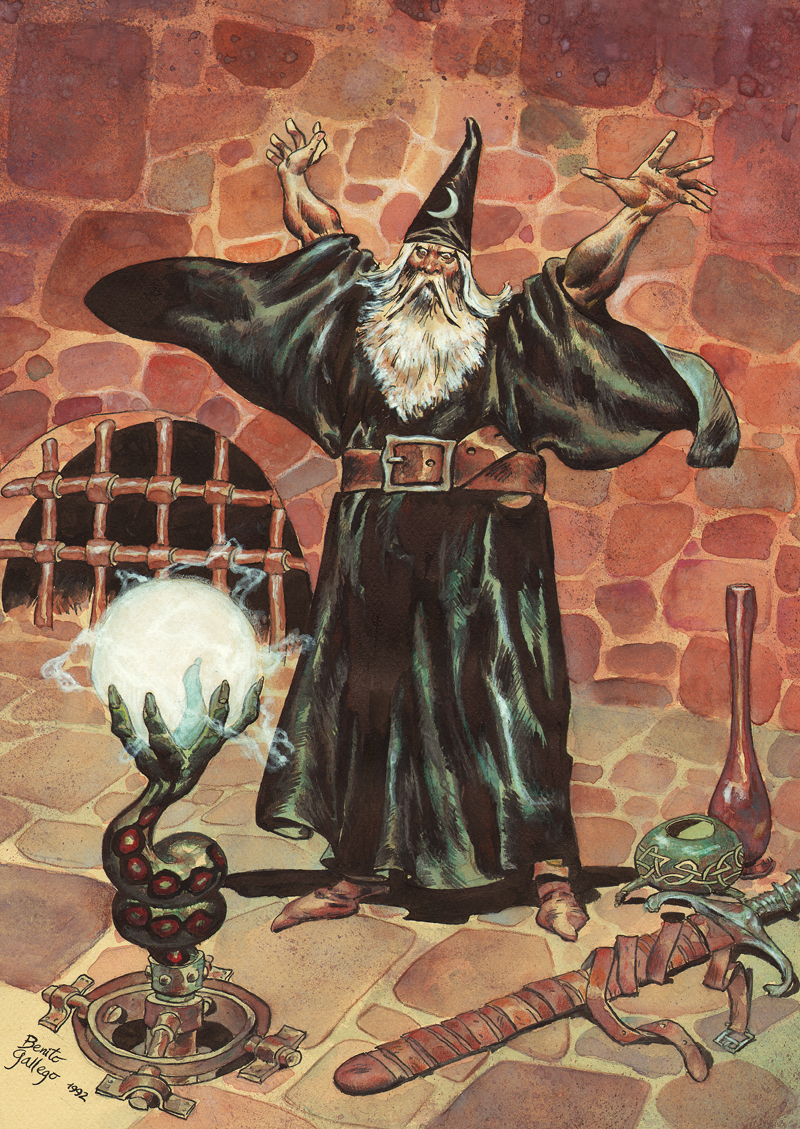
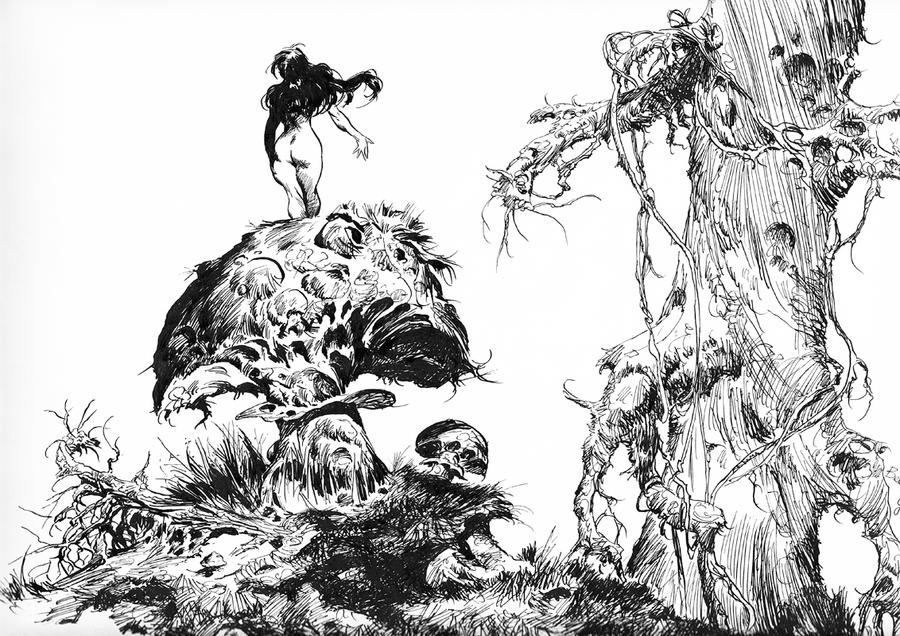
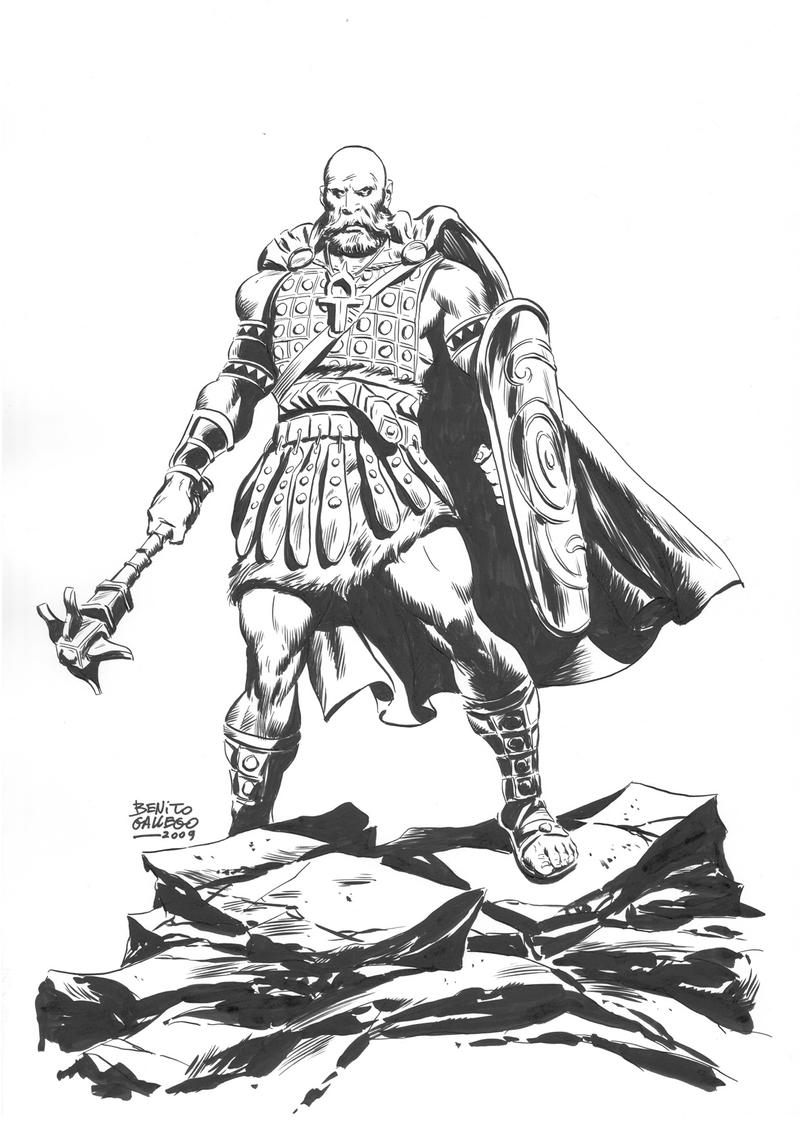
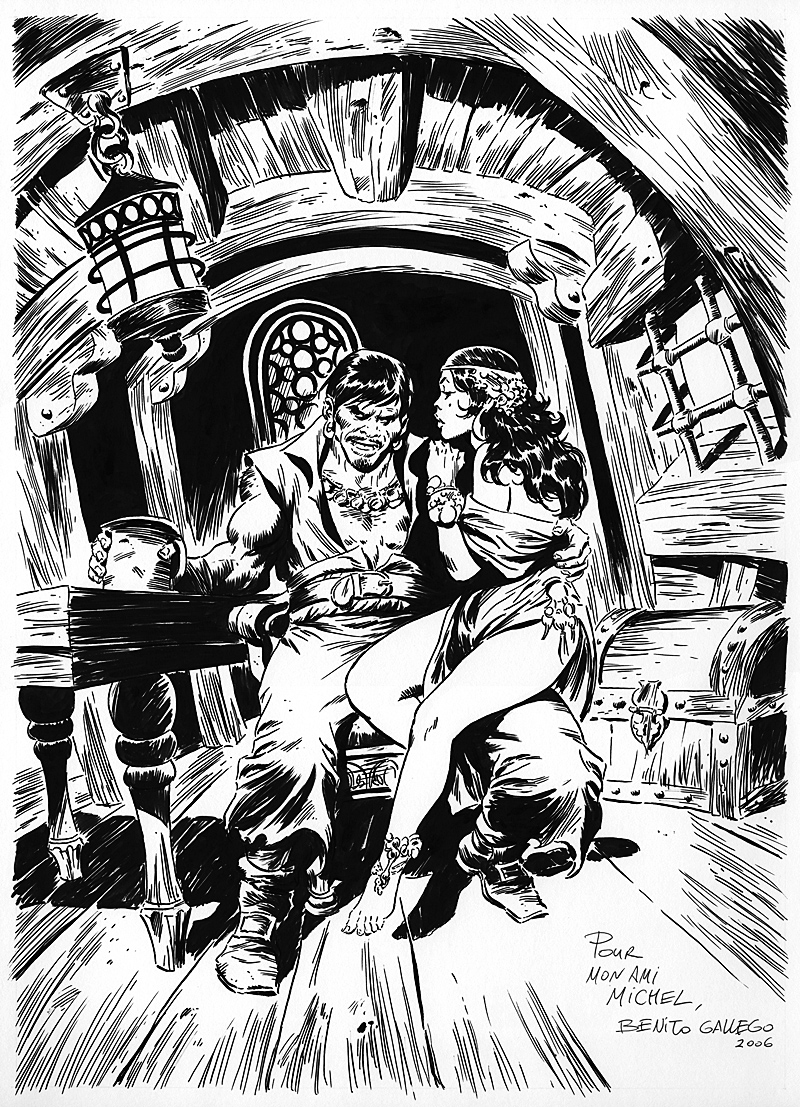
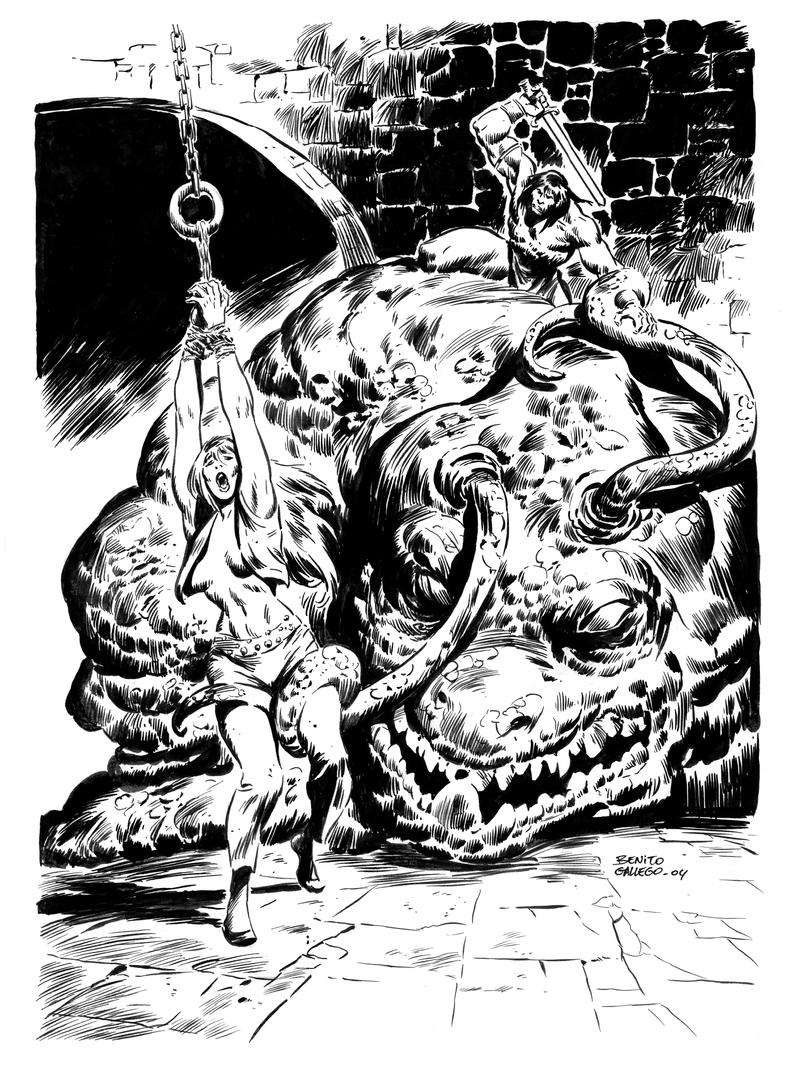
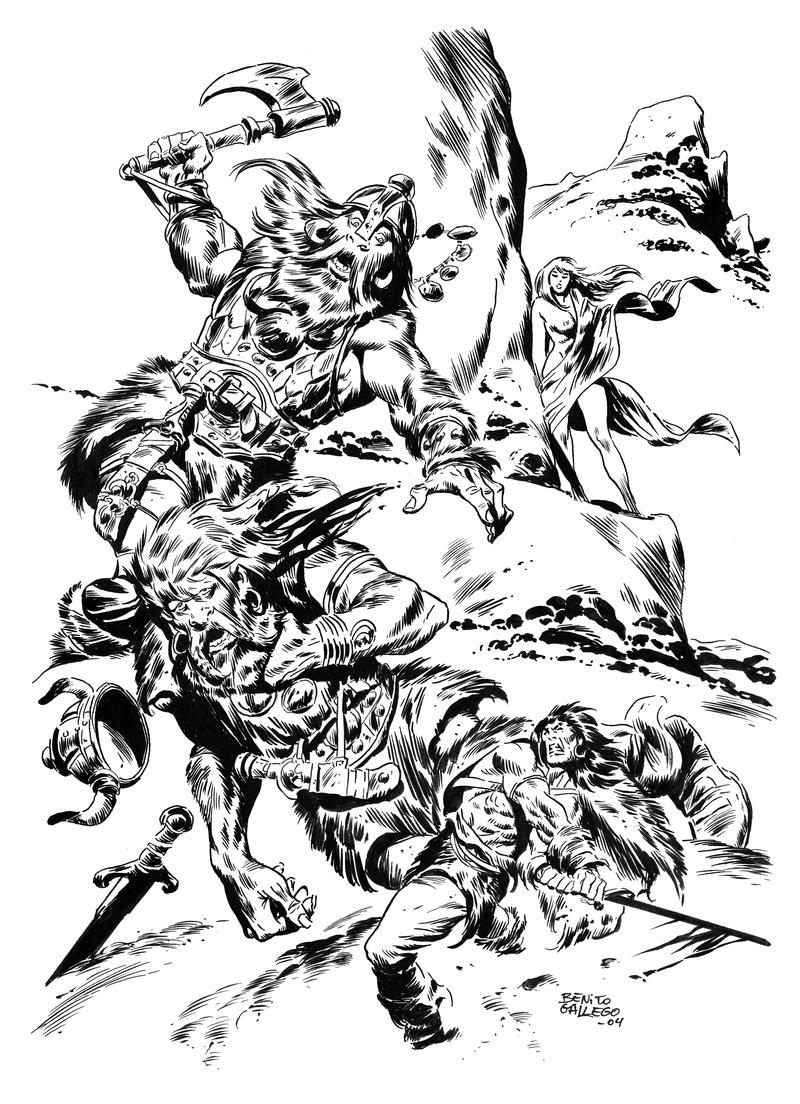
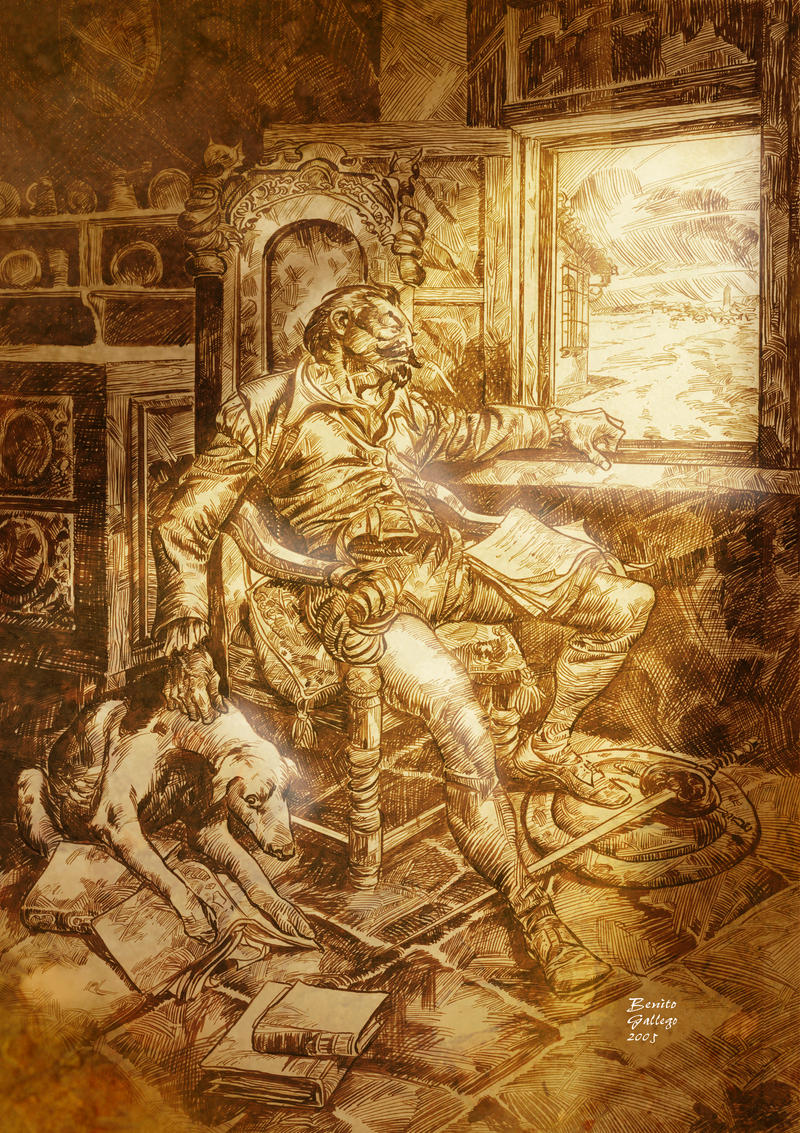
Yes indeed, 15 images again, because choosing my favorites from the work of today’s Deviant, Benito Gallego, was tough. Gallego‘s style is reminiscent of Buscema and Chan’s work on the old Marvel Conan comics. I’m leaving for Ottumwa, IA today to visit family, so no posts this weekend. See you next week!

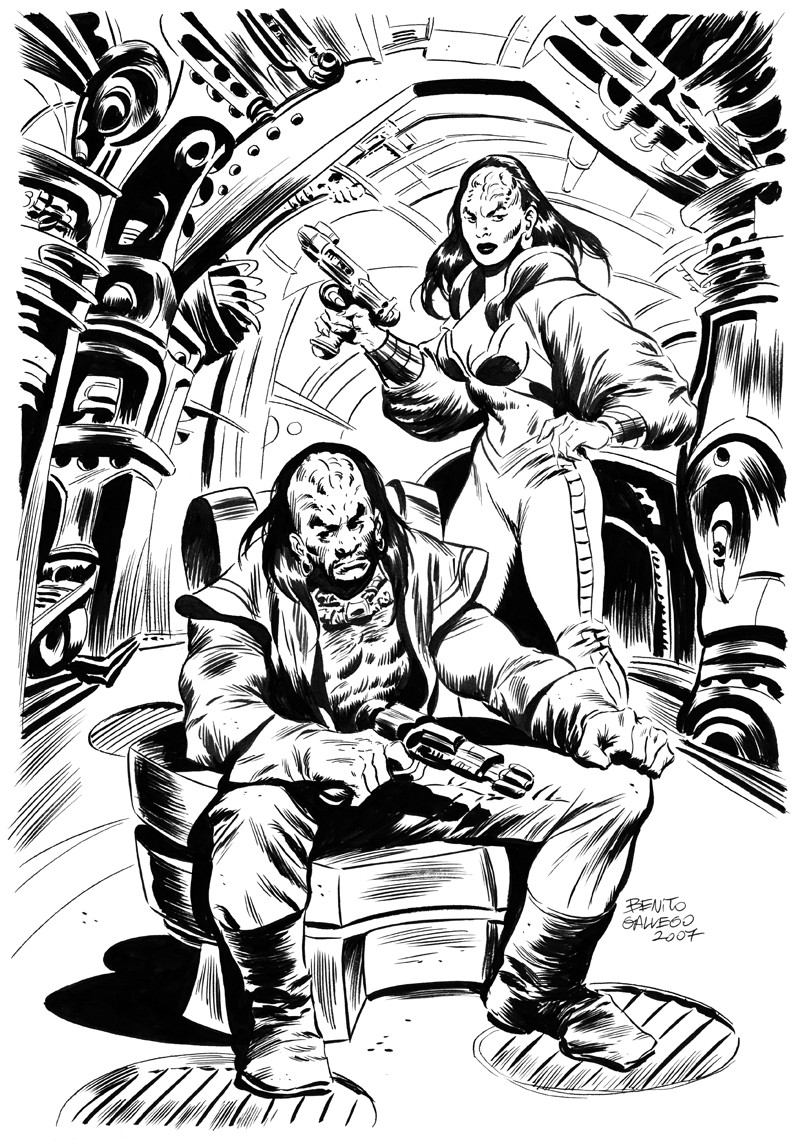
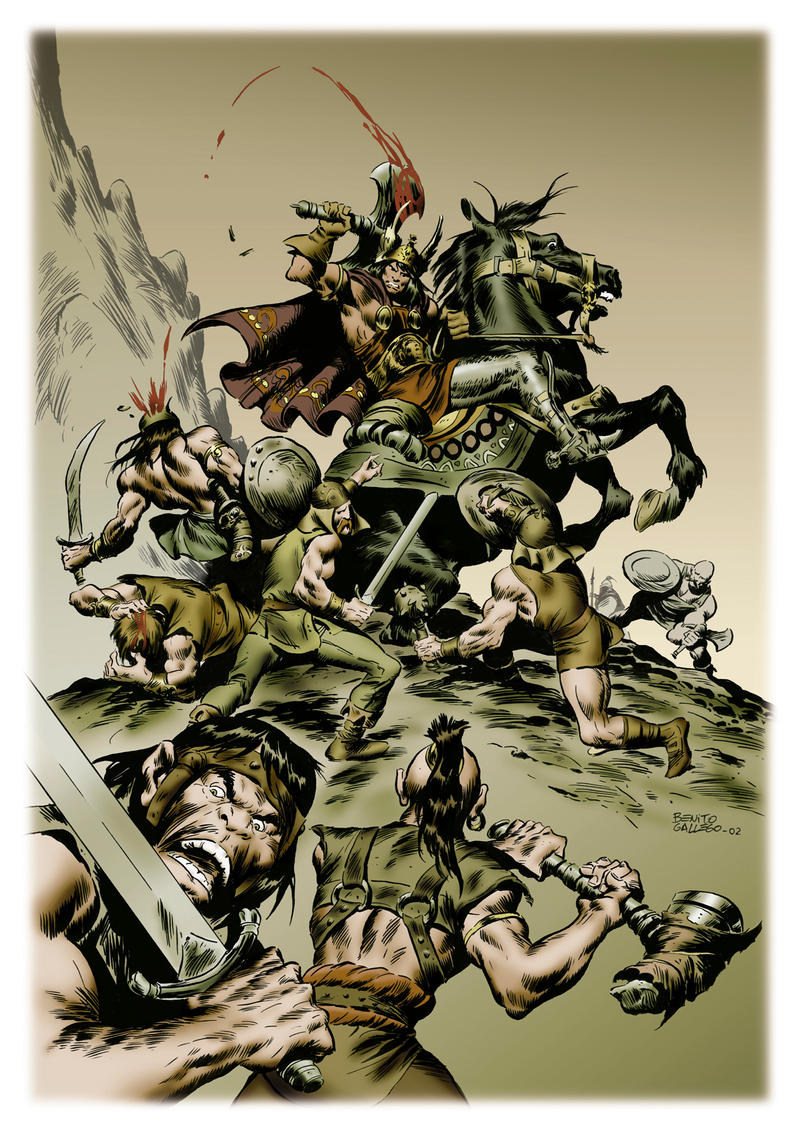
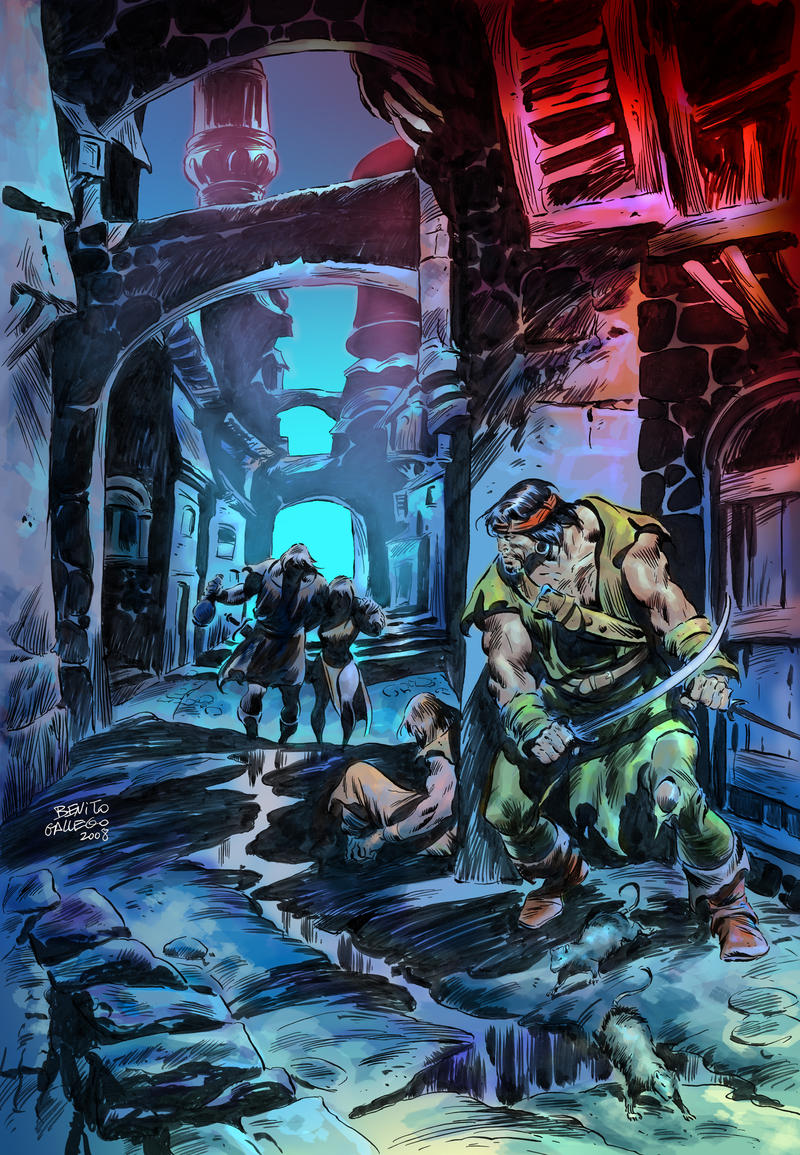
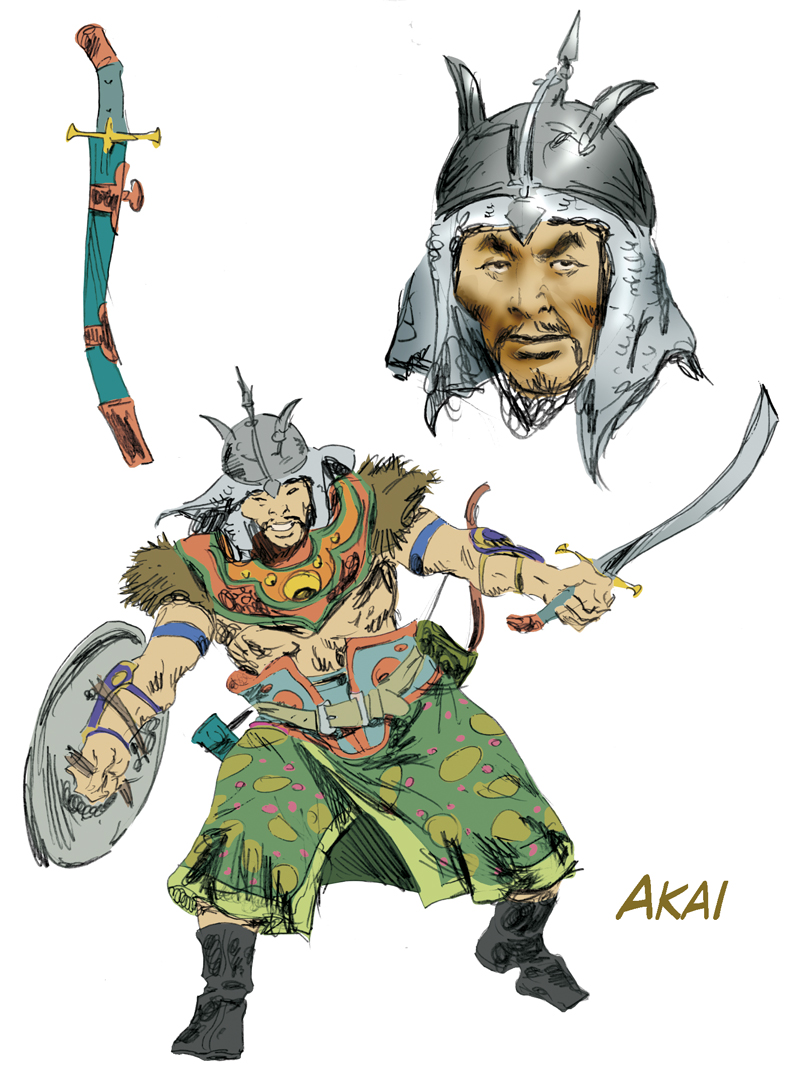
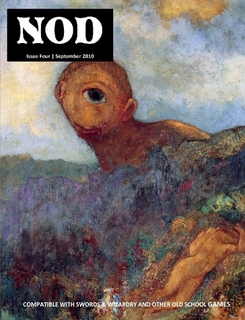
Finally got NOD #4 published on Lulu.
In this issue of NOD: A sandbox hexcrawl with more than 200 encounters, 50 new monsters inspired by European folklore, a pantheon of deities inspired by the Dacians and Thracians and two dungeon adventures – one for low-level parties and the other for mid-level parties. Plus – the next installment of our serialization of George MacDonald’s fantasy classic, Phantastes.
Print is $10
E-Book is $3.50
Use the coupon code “AUTUMN” to get 10% off – I’ve entered the September sales contest.
Also – I have my outline for Mystery Men! on the “Free Downloads” page of my blog. Its in google docs, and this is where I’ll be writing the game. I probably won’t touch the outline for at least a couple months while I finish PARS FORTUNA and prepare NOD #5 for sale, but I’ll hit it hard around NOV/DEC. In the meantime, feel free to send me ideas, suggestions and criticisms.
Enjoy Labor Day folks!

Ah – the final preview of Ibis. I have about 30 more locations to write and a few maps to draw to finish the city-state for inclusion in NOD #5, along with the second level of the dungeon that appears in NOD #4, Mines & Mining, Mystery Men!, the Illusionist class and whatever else I come up with. I’m including the map so you don’t have to go looking for it in post #1.
—
47. Narmer’s Bakery: Narmer’s bakery is, on average, the busiest spot in the Souk from dawn to dusk. The first round loaves appear at the crack of dawn, and Narmer (5 hp) and his little legion of assistants work through the day producing bread and pastries. The building is a single-story number and constructed of adobe bricks. It has a small portico and a striped shade, under which loaves are displayed in wooden boxes. One of Narmer’s sons, a teenager named Minkah (5 hp), sells this bread to pedestrians. Inside the building the heat can be intense. Narmer has three large ovens and almost two dozen assistants. Along the northern edge of the building, by arched, barred windows, a number of tables and chairs are set up for customers. Narmer’s eldest daughter, a fifteen-year old beauty named Jenday (6 hp) who wants more than anything to study magic at the university, waits tables, servng pastries and sweet tea and searching for get-rich-quick schemes.
49. Scriptorium: Aten (3 hp), an intense academic with tanned skin, red hait and dark, brown eyes, oversees seven scribes, mostly students working their way through university or former students not capable enough to find a job in the queen’s bureaucracy. Aten is irreverent and well-spoken and is devoutly lawful. He has a wife named Tabia (4 hp) who came to Ibis after being rescued from slavery by a band of qamouli.
51. Edfu the Carver: Edfu is an aging romantic who dreams of daring adventurse in faraway lands. Unfortunately, he’s unfit, near-sighted and has just a touch of arthritis, so he settles for tales brought to him by magic-users who hire him to carve their staves and wands. Edfu is a master at his craft, and though he takes a bit longer than others, his products are always of the highest quality. On more than one occaision he has produced a wand or staff to be enchanted by a wizard, and in fact he has multiple powerful wizards in his clientele. The wizards, lawful or chaotic, like Edfu (it’s hard not to), so thieves’, assassins and even bureaucrats leave him alone.
53. The Mortuarium: This building is both a mortuary and a shrine dedicated to Anubis. It is overseen by Yafeu, a priest of Anubis, who has several embalmers under his command. The process of mummification is expensive, costing anywhere from 500 gp to 5,000 gp, and is mostly used by aristocrats and merchants.
Yafeu is also responsible for overseeing the burial of poor citizens in communal tombs outside the city-state. These structures are built of adobe brick and consist of a long tomb building atop a 6-ft tall platform. The bodies to be interred within are salted to preserve them and then place in long hollows in the floor with a few grave items. These holes are covered with heavy stone tiles, and then a new layer is added. The tombs usually top out at 20-ft in height and are hallowed to keep the ghouls at bay.
Yafeu has pale skin, blond hair pulled back in a tail and brown eyes. He has a “dusty” appearance, like an old bottle of wine, though his exact age is indeterminate.
| Yafeu: HP 13; AC 7 [12]; Save 13; Special: Spells (1st), turn undead. Sable robes over leather armor, silver headband, silver holy symbol, silver-tipped mace.
55. Shashi the Leatherworker: Shashi is a young woman who hails from Kirikersa, the great port city of Lemuria. She has ebony skin, black hair worn in beads, bright and green eyes. Shashi is tall and fat, and keeps five husbands and six children in her home in the suburbs of Ibis. This building is her workshop, where she employs an apprentice (her daughter Sumati) and a local journeyman named Hamut. Shashi is a quick-witted prankster who specializes in crafting fine leather armor and saddles, leaving lesser items to her helpers. She is lawful and gives potential customers a good looking over to make sure they are not thieves.
 Land of Nod