On the Beastmen of Nabu – Part One

In 1671 AD, a fellow by the name of Charles Le Brun produced a series of illustrations for his treatise on physiognomy – or a study of facial features. Included among these were fanciful illustrations of people with animal characteristics. Approximately 350 years later, a gaming geek is using these illustration to produce this …

The Beastmen of Nabu

Nabu was once a lush savanna cut by a river, the banks of which supported a highly advanced civilization. At the center of this civilization was the city-state of Nabu and its attendant empire that stretched from the jungles of Cush to the rocky hills of the Wyvern Coast. This empire was ruled by successive dynasties of scientist-kings, men and women who, it is said, were as above other humans as humans are above beasts. These kings and queen and their attendants produced wonders for their empire. And then, they apparently went too far. The cataclysm has been attributed to many possible occurrences, though most scholars would place the blame squarely on Nabu’s competition with its rival, Irem, over the verdant hills and forests of Venatia. The two powers, they believe, finally destroyed one another in a final clash of sorcery and science. In the wake of the cataclysm, both lands were turned to waste – wind-swept deserts and buried ruins replacing farmland and city, beastmen and corpses replacing men and women.

The beastmen of Nabu are, for the most part, human beings. Their habits and their faces, however, carry the mark of beasts and keep them separate from other humans, incapable of interbreeding with normal humans and often unwilling to manage their passions sufficiently to fit into to human society. There is no doubt that the beastmen were created by the energies unleashed during the cataclysm, but the process by which this transformation was accomplished is lost to modern theoretic wizardry.
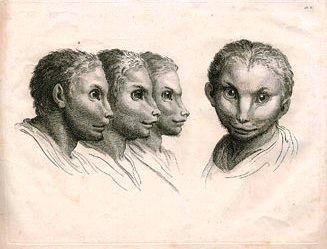
Bubasti (Cat People)

The bubasti are a race of cat-like demi-humans who dwell on the margins of the River of Death. Bubasti appear as short (average 3 feet tall), slight humanoids with dusky skin and glossy, blue-black hair. They have furtive, piercing eyes and are prone to staring. The bubasti are chaotic down to their little souls, and often cruel and malicious. They dress in simple tunics and enjoy decorating themselves (when not on the hunt) with silver trinkets. In fact, bubasti place such a high value on silver that silver coins can be considered to be double in value when trading with the cat people.

The bubasti live in small communities of 10 to 30 individuals. They dwell in the tall reeds that clog the banks of the river. The bubasti construct tiny huts from the reeds. Each little den is separated by several yards from the others, and they are so cunningly camouflaged that it is possible to walk through a bubasti village without ever knowing. Villages are mostly made up of females and young, with a few older males living on the outskirts of the village and claiming it and its inhabitants as their territory. The females put up with this so long as the males keep mostly to themselves and make no attempt to assert political control over the village. Most males belong to no village, instead living the life of wanderers and adventurers.

The cat people mostly make their living as fishermen, but they are also skilled at hunting small birds with weighted nets. Bubasti give most of their religious devotion to the mythic Cat Lord, who the Nabu know as Bast but the cat people call Pasha. In turn, they enjoy Pasha’s special attention and protection, with people hurting a bubasti running a slight (5%) chance of attracting a curse (per the spell).

Racial Characteristics: Bubasti characters enjoy a +1 bonus to make saving throws against breath weapons and triggered traps. They only trip pit traps on a roll of 1 on 1d8, and take only half damage from falling. Bubasti can see in the dark as well as elves and dwarves. Bubasti speak their own language, a dialect of the common tongue of humankind, and the language of felines.

The Bubasti Racial Class

While you can use the bubasti as a race, like elf or halfling, capable of taking levels in the basic classes, you might also want to treat the bubasti as a class of their own. In addition to the racial abilities listed above, members of the bubasti class gain the ability to cast a limited number of spells and the chance to escape certain death.

Prime Requisite: Dexterity (13+ gets +5% bonus to earned experience).

Hit Dice: 1d6+1 (+1 hit points per level after 9th).

Weapons Permitted: Club, dagger, javelin, light crossbow, short bow, short sword, sling.

Armor Permitted: Leather, ring, shields.

Magic Spells (1st): The bubasti are granted access to a small number of spells by their divine patron. The bubasti spell list is described below. Bubasti cast spells as clerics.

Level One: Detect Evil, Detect Magic, Expeditious Retreat#, Feather Fall#, Jump#

Level Two: Detect Invisibility, Dexterity*, Find Traps, Invisibility, Speak with Animals

Level Three: Bestow Curse**, Dimension Door#, Locate Object, Summon Cats***

* As the magic-user spell Strength, but applies instead to dexterity. Bubasti gain 2d4 points of dexterity from this spell.

** The reverse of remove curse.

*** As Monster Summoning I, except the spell summons 2d6 normal cats from the aether. Cats have the following statistics: HD 1d2; AC 5 [14]; Atk 2 claws (1 damage), 1 bite (1 damage); Move 12; Save 17; CL/XP A/5; Special: None.

# New spell – see below.

Evasion (1st): The bubasti can roll with a potentially lethal blow to take less damage from it than she otherwise would. Once per day, when a bubasti would be reduced to 0 or fewer hit points by damage from a weapon or other blow, she can attempt a saving throw. If successful, she takes only half damage from the attack.

Keen Hearing (1st): A bubasti’s hearing is so acute that they are only surprised on a roll of 1 on 1d8.

Light Footed (1st): Bubasti are so quiet when they move that they are capable, when surrounded by equally quiet creatures or alone, of surprising their foes on the roll of 1-2 on 1d6.

Spells

Level

XP

HD

Attack

Save

1

2

3

1

0

1

+0

14

1

2

1,900

2

+0

13

1

3

3,800

3

+1

12

2

4

7,600

4

+1

11

2

5

15,200

5

+2

10

2

1

6

30,000

6

+2

9

2

1

7

60,000

7

+3

8

3

2

8

120,000

8

+3

7

3

2

9

240,000

9

+4

6

3

2

1

10

360,000

+1 hp

+5

5

3

2

1

11

480,000

+2 hp

+5

4

3

3

2

12

600,000

+3 hp

+6

4

3

3

2

New Spells –

Dimension Door

Level: 3 (bubasti), 4 (magic-user)

Range: 300 feet

Duration: Instantaneous

You instantly transfer yourself from your current location to any other spot within range. You always arrive at exactly the spot desired, whether by simply visualizing the area or by stating direction. You may bring one additional willing man-sized or smaller creature per three caster levels.

Expeditious Retreat

Level: 1

Range: Personal

Duration: 1 minute per level

This spell increases your land speed by +12.

Feather Fall

Level: 1

Range: 30 feet

Duration: Until landing, or 1 round per level

The affected creatures or objects fall so slowly that they take no damage upon landing.

Jump

Level: 1

Range: Touch

Duration: 1 minute per level

The subject of this spell can easily leap 10 feet horizontally or 6 feet vertically.

Belcwn (Lion People)

Unlike their small, furtive kin the bubasti, the lion people, or belcwn, are tall and broad of shoulder. The lion people have tanned, muscular bodies, golden eyes and curly blonde or red hair that is always worn long and loose. Belcwns dress in leather tunics. Warriors wear leather or ring armor and carry heavy flails, hooked swords or pole arms and sometimes shields. They are expert at using their weapons to knock their enemies prone, opening them to a vicious pounce. The male leader of a pride wears a heavy, animal skin cloak and receives visitors sitting on a beautifully carved wooden stool.

The belcwn live in prides, pitching their animal skin tents on grassy meadows near groves of acacia trees. Each pride consists of 6 to 12 female warriors and either a single male or a pair of brothers who rule as titular kings and defenders. While the women work as hunters and gatherers, the kings tutor their children in fighting and in the legends and lore of their people. The males also fill their time working on crafts necessary to the tribe’s survival – mostly weapon making, but also basket weaving and leather working. Males without a pride live as mercenaries and adventurers. Their foul tempers and penchant for violence make them useful to nobles, but poorly regarded by common folk.

The belcwn worship Pasha, the ruler of all felines, as well as deities of war and solar divinities. Males act as priests for their prides, and thus often have the magical abilities of low-level adepts. Many belcwn kings are attended by bubasti viziers.

Racial Characteristics: Belcwns are usually tall and muscular, but are generally not known for their intellects. New belcwn characters receive a +2 bonus to their strength attribute, but a -2 penalty to their intelligence. These modifications cannot take an ability score higher than 18 or lower than 3. Belcwns can see in the dark.

Belcwn Racial Class

Belcwns are roudy, eager warriors who enjoy coming to blows with their enemies. Their ear-shattering battle cries cause enemies to quake in their boots, and their powerful charges often send them scattering. In addition, belcwns possess an innate ability to command normal beasts.

Prime Requisite: Strength (13+ gets +5% bonus to earned experience).

Hit Dice: 1d6+2 (+3 hit points per level after 9th).

Weapons Permitted: Any.

Armor Permitted: Leather, ring, chainmail and shields.

Battle Yell: The belcwn usually enter battle with a terrible, throaty yell, not unlike a lion’s roar. Creatures with fewer hit dice than the belcwn (and no more than 5 hit dice in any event) must pass a saving throw or be struck with fear, suffering a -1 penalty to hit and damage during combat.

Charge: When belcwns charge into a fight, they enjoy a +1 bonus to hit and damage for one round, but suffer a -2 penalty to Armor Class and always lose initiative to troops who have set their spears against a charge. Foes that are damaged by a belcwn’s charge must make a saving throw or be knocked prone.

Command Animals: Belcwns possess a natural aura of command over natural, normal animals (i.e. not mythic animals like unicorns or giant versions of normal animals). Against these creatures, a belcwn can make a “turn undead” roll as a cleric of the belcwn’s level. If successful, the animals fall under the belcwn’s command as the undead fall under the command of an evil cleric, though the duration is only 1 hour.

Level

XP

HD

Attack

Save

1

0

1

+0

16

2

2,000

2

+0

15

3

4,000

3

+1

14

4

8,000

4

+2

13

5

16,000

5

+2

12

6

30,000

6

+3

11

7

60,000

7

+4

10

8

120,000

8

+5

9

9

240,000

9

+6

8

10

360,000

+3 hp

+7

7

11

480,000

+6 hp

+7

6

12

600,000

+9 hp

+8

5


Clerics & Druids

My first attempt at blogging from MSWord – hopefully it comes out okay. This is my take on the cleric and druid. In truth, my only contribution to the cleric is the level titles.

This post is Open Game Content.

THE CLERIC

Clerics are armored priests who serve a patron deity and an alignment ethos (law, good, chaos or evil). Regardless of the details, you are a champion of your faith and moral alignment. You might be a sinister witch-hunter, an exorcist of demons, or a shining knight of the faith. Because most of a cleric’s abilities are oriented toward healing and protecting, clerics tend to play a support role during combat, backing up the front line, but able to stand shoulder to shoulder with the party’s fighting-men if need be, at least for a while. High level clerics often establish fortified temples or monasteries in the wilderness, clearing the area of monsters and attracting followers and soldiers.

Prime Requisite: Wisdom (13+gives +5% experience bonus).

Hit Dice: 1d6+1 (+2 hp per level after 9th).

Armor/Shield Permitted: Any.

Weapons Permitted: Blunt weapons only.

Spells (1st): The spells available are listed on the cleric spell list. A cleric is limited to a certain number of spells of each level per day. A table shows the number of spells per day a character of the class may cast. Clerics prepare spells each day through prayer to their deity, followed by contemplation and study.

Banishing Undead (1st): Clerics can “Turn” the undead, making them flee from the cleric’s holiness (or, in the case of an evil cleric, bringing them to heel as servants and minions). A Referee might decree that a cleric can use this ability against other supernatural creatures hostile to his patron deity or religion.


Spells Per Day (By Spell Level)

Level Experience

Hit Dice

Attack

Save

Title

1

2

3

4

5

6

1 0

1

+0

14

Beadle

2 2,250

2

+0

13

Almoner

1

3 5,000

3

+1

12

Chanter

2

4 9,000

4

+1

11

Friar

2

1

5 18,000

5

+2

10

Prester

2

2

1

6 35,000

6

+2

9

Vidame

2

2

1

1

7 70,000

7

+3

8

Exarch

2

2

2

1

1

8 140,000

8

+3

7

Hierophant

2

2

2

2

2

9 300,000

9

+4

6

Patriarch

3

3

3

2

2

10 425,000

+2

+5

5

Patriarch

3

3

3

3

3

11 650,000

+4

+5

4

Patriarch

4

4

4

3

3

12 900,000

+6

+6

3

Patriarch

4

4

4

4

4

1

The Druid Sub-Class

The druid is a sub-class of cleric who worships a pantheon of nature divinities in place of the cleric’s patron deity and ethos. Because druids worship a wide variety of deities and respect each deity’s place in the greater scheme of things, they are always neutral in alignment. Druids draw energy from the natural world to cast divine spells and gain strange supernatural powers.

Prime Requisites: Intelligence & Wisdom (13+ gives +5% experience bonus).

Hit Dice: 1d6+1 (+2 hp per level after 9th).

Armor/Shields Permitted: Leather armor, shields.

Weapons Permitted: Club, dagger, dart, hand axe, hammers, sling, sickle, spears, swords, and staves.

Spells (1st): The spells available to a druid are listed on the druid spell list (coming soon). A druid is limited to a certain number of spells of each level per day. The druid table shows the number of spells per day a character of the class may cast. Druids prepare spells each day by praying for them.

Secret Language (1st): Druids have a secret language and alphabet used for communicating with one another. They are forbidden from teaching either language or alphabet to any but their brethren. It is this language that the druids use to cast their spells.

Nature Lore (1st): A druid can identify plants and animals with perfect accuracy. This ability is automatically successful when used in the type of environment in which the druid was trained or currently lives. In unfamiliar environments, the druid must succeed at a saving throw to successfully use this ability.

Resist Elements (2nd): At 2nd level, druids gain a +1 bonus to saving throws against fire, water, earth, air, cold and lightning attacks.

Woodland Stride (3rd): At 3rd level, druids gain the ability to move through natural thorns, briers, overgrown areas, and similar terrain at normal speed and without suffering damage or other impairment. When doing so, druids leave no trail in the natural surroundings and cannot be tracked. Areas that are enchanted or magically manipulated to impede motion still affect druids.

Shapechange (6th): At 6th level, druids gain the ability to change into a small or medium-size animal and back again once per day. This ability operates like the spell polymorph. Upon attaining this ability, a druid must choose an animal shape, usually an animal sacred to her religious traditions or patron deity. The selection is permanent, and cannot be changed.

Each time a druid uses this ability, the character regains 1d3 hit points. At 7th and 8th levels, the druid gains a new animal shape. Each shape can be assumed once per day. At 12th level, the druid gains the ability to take the shape of a large (maybe prehistoric) version of one of the previously chosen animal forms. This large form can be assumed once per day, and the druid can decide between the three forms each time this ability is used. When assuming the large version of an animal form, the druid heals 4d6 hit points.

Spells Per Day (By Spell Level)

Level Experience

Hit Dice

Attack

Save

Title

1

2

3

4

5

6

1 0

1

+0

14

Neophyte

2 2,000

2

+0

13

Initiate

1

3 4,250

3

+1

12

Ovate

2

4 8,500

4

+1

11

Soothsayer

2

1

5 17,000

5

+2

10

Magus

2

2

1

6 35,000

6

+2

9

Shaman

2

2

1

1

7 70,000

7

+3

8

Magister

2

2

2

1

1

8 180,000

8

+3

7

Druid

2

2

2

2

2

9 275,000

9

+4

6

Archdruid

3

3

3

2

2

10 400,000

+2

+5

5

Archdruid

3

3

3

3

3

11 525,000

+4

+5

4

Archdruid

4

4

4

3

3

12 650,000

+6

+6

3

Archdruid

4

4

4

4

4

1

Coming Soon – Druid spells

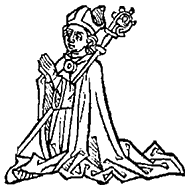
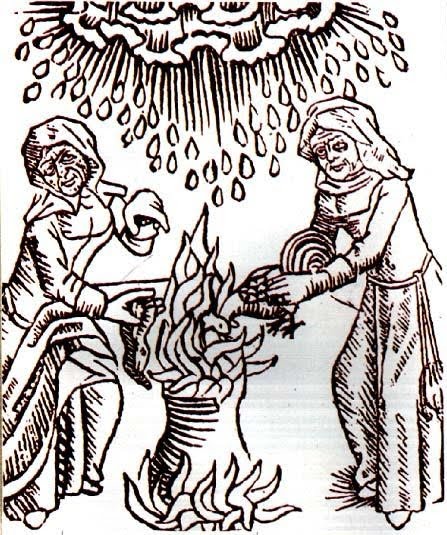
Medieval Woodcut of a Bishop from “Gode Cookery”

Assassins

The assassin is a tough one. I won’t deny that the main reason I used it is nostalgia. That being said, I did my best to make it a useful and hopefully enjoyable class. I think there are two main problems with the assassin class. The first is that the assassin really doesn’t fit well into the “dungeon” environment. Assassins should be plying their trade in the homes of fat merchants or in the castles of the local lord or even in the alleys and side streets of a city-state, but not really in a mythic underworld. I suppose someone might hire an assassin to take out a major power in a mythic underworld (that might make a good fantasy story, in fact), but will they do it over and over again? The whole point of dungeon delving is power, whether via gold pieces, magic items or hidden knowledge. Assassins have their own path to power, and I don’t think it usually goes through dank caverns and trap-laden corridors beneath the earth.

Problem number two is “assassination” boiled down to a single roll of the dice. In C&C it is a death attack – observe for a few rounds, attack, victim saves or dies. How anti-climactic can you get? And what happens when the Ref starts setting groups of assassins on the PC’s? Big damage with a single attack seems to already exist in most systems with the thief’s back stab, so why an assassin?

Despite all of this, I was determined to take a shot at creating an assassin class. The first step was looking for an archetype. If you’re doing a barbarian, you look to Conan. If you’re doing a ranger, you look to Davy Crockett or Aragorn. So who is the archetypal assassin who is a main character in a story? The character that immediately springs to my mind is Bond. James Bond.

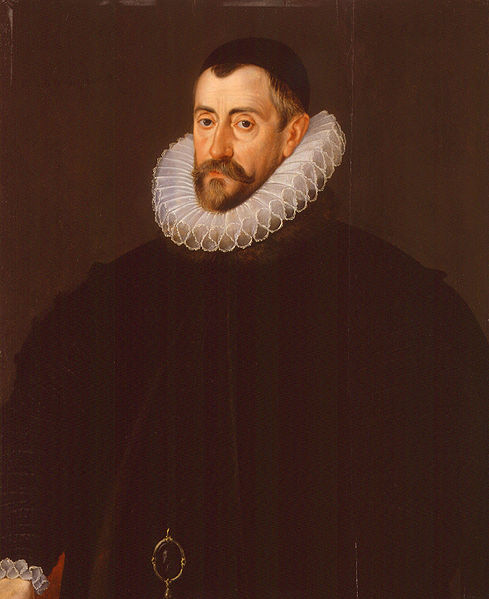
In Bond you have a stealthy, deadly (license to kill) errand boy who solves problems. Once you latch on to a spy as an archetype, you also need to look at the history of spies and assassins in the pre-modern eras that fantasy gaming encompasses. You have the Elizabethan spy ring of Sir Francis Walsingham (pictured to the right), the ninjas of feudal Japan, the poisoners of Renaissance Italy, and many others. Taking these influences together, and leaning on previous versions of the assassin in D&D-style games, I came up with this …

What follows is Open Game Content

THE ASSASSIN
The assassin is a sub-class of thief that specializes in stealthy killings for a fee. They are commonly used as spies, and most major city-states have at least one or two spy rings from rival city-states in operation. Like thieves, assassins are useful as scouts. Their skills are not as wide-ranging as thieves, but they are more effective as combatants.

Prime Attribute: Dexterity, 13+ (+5% experience)

Hit Dice: 1d6+1 (Gains 2 hp/level after 9th level.)

Armor/Shield Permitted: Leather and shields.

Weapons Permitted: Any.

Cheat Death (1st): Assassins have an uncanny ability to escape certain doom. Assassins enjoy a +1 bonus to saving throws vs. death. Skilled escape artists, assassins use saving throws to wriggle out of non-magical ropes or chains, and they have a 1 in 6 chance to escape from magical bindings, like magical ropes or chains or spells like hold person or paralysis.

Decipher Script (1st): Assassins can decipher writings by making a successful saving throw. This includes unfamiliar languages, codes and incomplete messages.

Disguise (1st): Assassins train as thespians and masters of disguise. Assassins usually carry some odds and ends (soot, putty, rags for stuffing) that allow them impersonate others. The assassin’s diguises are usually effective on a roll of 1-4 on 1d6, provided the assassin is impersonating a person of the same race and gender. Impersonating another humanoid race lowers his chances by one, and impersonating another gender also lowers his chances by one. Impersonating a monstrous race lowers his chances by two. Even if the disguise is effective, those who know the impersonated person well receive a saving throw to see through the rouse.

Sneak Attack (1st): If an assassin takes an opponent by surprise (i.e. in a surprise round or simply attacking someone in a “non-combat” situation) or by attacking from the shadows, an assassin attacks at a +4 bonus to hit. A successful hit inflicts double normal damage. As the assassin gains experience, the damage inflicted increases. At fifth level, a sneak attack deals triple damage, and at ninth level a sneak attack inflicts quadruple damage.

Stealth (1st): Assassins have the following special abilities: Hiding in shadows, moving silently, climbing sheer surfaces, picking pockets (and other acts of legerdemain) and picking locks (with a set of burglar’s tools, which cost 25 gp). Use of these abilities requires the assassin to succeed at a saving throw (in essence, making a saving throw to avoid failure). Non-assassins have a 1 in 6 chance of successfully performing these abilities.

Hiding in Shadows: Hiding in shadows requires shadows, of course, and is as effective as the invisibility spell, except that the thief cannot move while hiding in shadows.

Moving Silently: This means moving without making any sound at all. A thief moving silently and scouting ahead of a party can avoid an encounter entirely if his opponents are surprised.

Climb Sheer Surfaces: This means surfaces with no, or almost no, hand or toe holds. The Referee might require multiple saving throws for long climbs, and might regard failure as merely “no progress” or actual falling.

Poison (1st): Assassins are well practiced at using poisons, and have no chance of poisoning themselves when applying it weapons or slipping it in food and drink. Assassins can identify poisons on a roll of 1-3 on 1d6 and neutralize most poisons on a roll of 1 on 1d6, provided they have some herbs and other chemical agents on their person (a supply of 10 uses of these items costs 25 gp and can be obtained from most alchemists or herbalists).

Finally, an assassin can use these same herbs and agents to produce poisons of their own. At level 1, assassins know how to brew sleeping draughts and poisons that cause nausea (-2 penalty to all rolls). These simple poisons last one hour, and victims receive a saving throw to avoid the effects. These simple poisons can be applied to an assassin’s weapons as a sticky paste. They cost 50 gp to make and take 1 day to brew a single use.

By level 3, an assassin has learned to make more potent poisons that can either inflict 1d6 points of damage for every three levels an assassin has attained (i.e. 1d6 at level 3, 2d6 at level 6, 3d6 at level 9 and so on) or that cause paralysis for 10 minutes. Again, saving throws are allowed. These poisons can be applied to an assassin’s weapons as a sticky paste. They cost 250 gp to brew and take 1 day to brew a single use.

At level 9, assassins learn how to make a potion of poison that forces imbibers to save or die instantly. This poison cannot be applied to weapons. It costs 1,000 gp to brew and takes 1 day to brew a single use.

Level Experience Hit Dice Attack Save Title
1 0 1 +0 15 Ruffian
2 1,500 2 +0 14 Marauder
3 3,000 3 +1 13 Thugee
4 6,000 4 +1 12 Blackguard
5 12,000 5 +2 11 Cut-Throat
6 25,000 6 +2 10 Hellhound
7 50,000 7 +3 9 Malefactor
8 100,000 8 +3 8 Slayer
9 200,000 9 +4 7 Master Assassin
10 320,000 +2 hp +5 6 Master Assassin
11 440,000 +4 hp +5 5 Master Assassin
12 560,000 +6 hp +6 4 Master Assassin

Well, I’m heading off to Chicago tomorrow for a research conference, so I won’t be updating the blog for a few days. I hope by Thursday or Friday to finish and post my first downloadable “issue” of NOD, collecting most of the April posts. Until then …

Thieves

This post is Open Game Content

THE THIEF
The thief relies on cunning to win the day. Thieves are middling warriors and have no magical abilities, but they are hard to kill and train themselves in a wide array of skills useful to adventurers.

Prime Attribute: Dexterity, 13+ (+5% experience)

Hit Dice: 1d6 (Gains 2 hp/level after 9th level.)

Armor/Shield Permitted: Leather, padded and shields.

Weapons Permitted: Club, dagger, dart, hand axe, javelin, light crossbow, maces, short bow, short sword, sling, staff.

BACK STAB (1st): A thief normally avoids face-to-face combat if possible, preferring instead to use stealth to catch an opponent unaware. A thief able to attack an unaware opponent from the rear gains a bonus to hit and damage. To catch an opponent unaware, a thief must make a successful move silently check to sneak up behind the foe, or make a successful hide check while behind the opponent. A thief that succeeds can make a back stab at a +4 bonus to hit. A successful hit inflicts double normal damage.

As the thief gains experience, the damage inflicted increases. At fifth level, a back stab deals triple damage, and at ninth level a back stab inflicts quadruple damage.

DECIPHER SCRIPT (1st): Thieves can decipher writings by making a successful saving throw. This includes unfamiliar languages, codes and incomplete messages. Thieves can also use this ability to decipher and then cast spells from arcane scrolls, though the saving throw to do so is made at a -10 penalty.

THIEVERY (1st): A thief’s training makes them particularly adept at dungeon delving. Thieves successfully listen at doors and find secret doors (and hidden traps) as well as elves (2 in 6 and 4 in 6 chance respectively), and can find pits and traps as well as a dwarf (1 in 6 chance of just noticing, 3 in 6 chance if searching).

Moreover, thieves have the following unique abilities: Hiding in shadows, moving silently, climbing sheer surfaces, picking pockets (and other acts of legerdemain) and picking locks (with a set of burglar’s tools, which cost 25 gp). Use of these abilities requires the thief to succeed at a saving throw (in essence, making a saving throw to avoid failure). Non-thieves have a 1 in 6 chance of successfully performing these abilities.

Hiding in Shadows: Hiding in shadows requires shadows, of course, and is as effective as the invisibility spell, except that the thief cannot move while hiding in shadows.

Moving Silently: This means moving without making any sound at all. A thief moving silently and scouting ahead of a party can avoid an encounter entirely if his opponents are surprised.

Climb Sheer Surfaces: This means surfaces with no, or almost no, hand or toe holds. The Referee might require multiple saving throws for long climbs, and might regard failure as merely “no progress” or actual falling.

THIEVES’ CANT (1st): Thieves often use a street language known only to those in the “trade”. Code words, hand signals, demeanor, and other signs comprise the language of thieves’ cant and can be used to convey complex ideas. The language may vary to some degree both geographically and culturally, making cants unique to each region, city, and even within a city.

Level Experience Hit Dice Attack Save Title
1 0 1 +0 14 Scamp
2 1,500 2 +0 13 Varlet
3 3,000 3 +1 12 Villain
4 6,000 4 +1 11 Dodger
5 12,000 5 +2 10 Rapscallion
6 25,000 6 +2 9 Desperado
7 50,000 7 +3 8 Rook
8 100,000 8 +3 7 Scoundrel
9 200,000 9 +4 6 Master Thief
10 320,000 +2 hp +5 5 Master Thief
11 440,000 +4 hp +5 4 Master Thief
12 560,000 +6 hp +6 3 Master Thief

Assassin is next …

Cunning Men and Wise Women

Statting out some kobold shamans and witchdoctors tonight, I realized I didn’t like the idea of making them clerics or druids. So, I did a quick conversion of the d20 adept NPC class.

The following material is Open Game Content.

Adept (NPC Class)
Adepts are practical spellcasters of rural and barbaric folk, less skilled than the druids and more focused on serving their communities than going on daft adventures into the unknown. Most are skilled in folk remedies and fortune telling, and they are always skilled in another profession.

Hit Dice: 1d6 per level, +1 per level after 9
Weapons Allowed: Club, dagger, dart, mace, short bow, sling, spear, staff.
Armor Allowed: Leather armor, shield.
Attack: As magic-user
Saving Throws: As magic-user

Adepts cast spells from their own list (see below), preparing them in the same way as clerics. Each of an adept’s spells requires them to possess a simple fetish made of bones, feathers, ribbons, etc.

Each adept is also skilled as an alchemist, animal trainer, armorer, fortune teller, guide, healer or sage.

The Adept

Level
HD
Attack
Saving Throw
1
2
3
4
5
1
1d6
+0
15
1
2
2d6
+0
14
1
3
3d6
+1
13
2
4
4d6
+1
12
2
5
5d6
+1
11
2
1
6
6d6
+2
10
2
1
7
7d6
+2
9
3
2
8
8d6
+3
8
3
2
9
9d6
+3
7
3
2
1
10
9d6+1
+3
6
3
2
1
11
9d6+2
+4
5
3
3
2
12
9d6+3
+4
4
3
3
2
13
9d6+4
+5
4
3
3
2
1
14
9d6+5
+5
4
3
3
2
1
15
9d6+6
+5
4
3
3
3
2
16
9d6+7
+6
4
3
3
3
2
17
9d6+8
+6
4
3
3
3
2
1
18
9d6+9
+7
4
3
3
3
2
1
19
9d6+10
+7
4
3
3
3
3
2
20
9d6+11
+7
4
3
3
3
3
2

Adept Spells

Level One: Cause fear, charm person, cure light wounds, detect evil, light, protection from evil, sleep.

Level Two: Bless, darkness 15 ft radius, detect invisibility, invisibility, mirror image, pyrotechnics, snake charm, strength, web.

Level Three: Animate dead, cause disease, curse, continual light, cure disease, cure serious wounds, lightning bolt, neutralize poison, remove curse.

Level Four: Create water, massmorph, polymorph, protection from evil 10 ft radius, sticks to snakes, wall of fire.

Level Five: Commune, create food, raise dead, wall of stone.

On Doughty Woodsmen and Knights in Shining Armor

This post continues the look at the hybrid character classes I used in my last campaign, featuring the ranger and paladin. What follows is open game content.

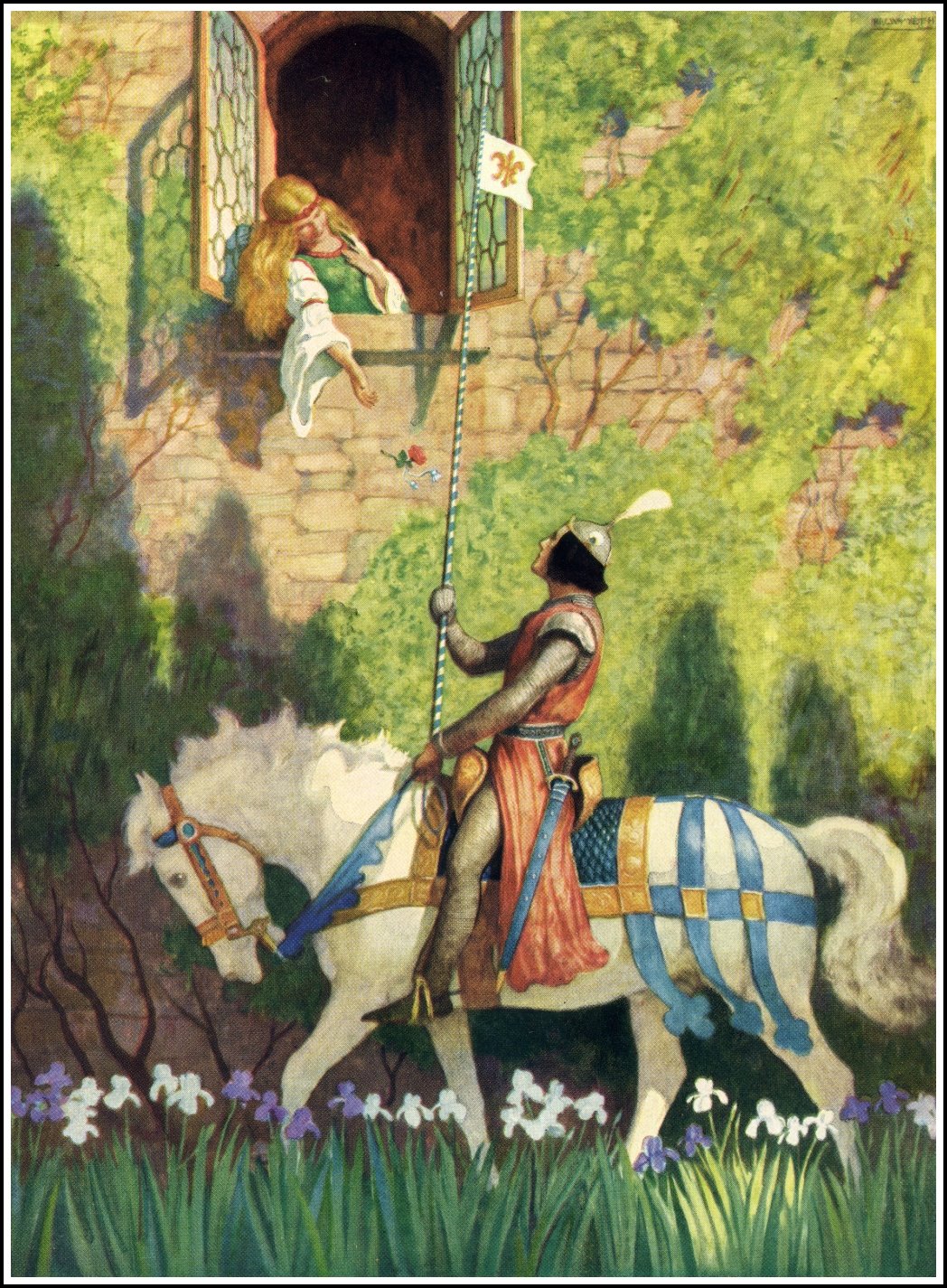
The Paladin Sub-Class
The paladin is a sub-class of fighting-man. Paladins are chivalrous champions of Law and Goodness. They might resemble the “knights in shining armor” of fairy tales or perhaps the rigid, honorable samurai of Japan. The point of paladins is purity. They do their best to remain mentally, spiritually and physically pure. From this dedication and the iron will required to maintain it, they derive a number of blessings to aid them in their struggle against Chaos and Evil.

  • Prime Attributes: Strength & Charisma, 13+ (+5% experience)
  • Hit Dice: 1d10/level (Gains 4 hp/level after 10th.)
  • Armor/Shield Permitted: Any.
  • Weapons Permitted: Any.

Paladins can detect evil (as the cleric spell) by concentrating. They emanate a permanent aura that protects them as per the spell protection from evil.

Paladins are immune to all diseases, including mummy rot and lycanthropy. Their touch can cure disease (as the cleric spell) once per week at level 1, twice per week at level 6 and three times per week at level 12.

A paladin can cure 2 hp per level by laying on of hands. This can be used on the paladin or on others, and the healing can be divided among recipients as the paladin chooses.

At level 3, a paladin gains the ability to banish undead as a cleric two levels lower.

At level 4, the paladin gains the service of a divine warhorse (or other mount) if he successfully completes a quest to locate the animal. The divine mount is unusually strong, loyal, and ready to serve the paladin in her crusade against evil. Should the paladin’s mount die, a year and a day must pass before another can be called. When riding their divine mount, a paladin gains the mounted combat ability (see Boons).

  • Divine Warhorse: HD 5; AC 6 [13]; Atk 1 bite (1d3), 2 hooves (1d4); Move 18; Save 12; Special: None.

Upon reaching level 6, a paladin becomes immune to fear, natural or supernatural. Allies within 10 feet of the paladin gain a +2 bonus on saving throws against fear effects.

Once per day, a paladin of level 9 or higher may attempt to smite evil with one normal melee attack. Smite evil gives the paladin a +2 bonus to hit, and a bonus to damage equal to the paladin’s level. This ability can only be used on supernatural creature of darkness an evil, such as anti-paladins, demons or the undead. The paladin can attempt to smite evil once per day.

At level 12, a paladin’s touch is capable of removing all ailments from a creature, including disease, poison, ability score damage, level drain, hit point damage, confusion, curses and insanity. The paladin can apply this healing touch but once per day.

Level Experience Hit Dice Attack Save Title
1 0 1 +0 18 Squire
2 2,700 2 +1 17 Scutifer
3 5,500 3 +2 16 Banneret
4 12,000 4 +3 15 Gallant
5 24,000 5 +4 14 Companion
6 48,000 6 +5 13 Knight
7 95,000 7 +6 12 Paragon
8 180,000 8 +7 11 Peer
9 360,000 9 +8 10 Paladin
10 700,000 10 +9 9 Paladin
11 1,000,000 +4 hp
+10 8 Paladin
12 1,300,000 +8 hp
+11 7 Paladin

S&W Format

Hit Dice: 1d6+2 per level, +3 hit points per level after level 9

The Ranger Sub-Class
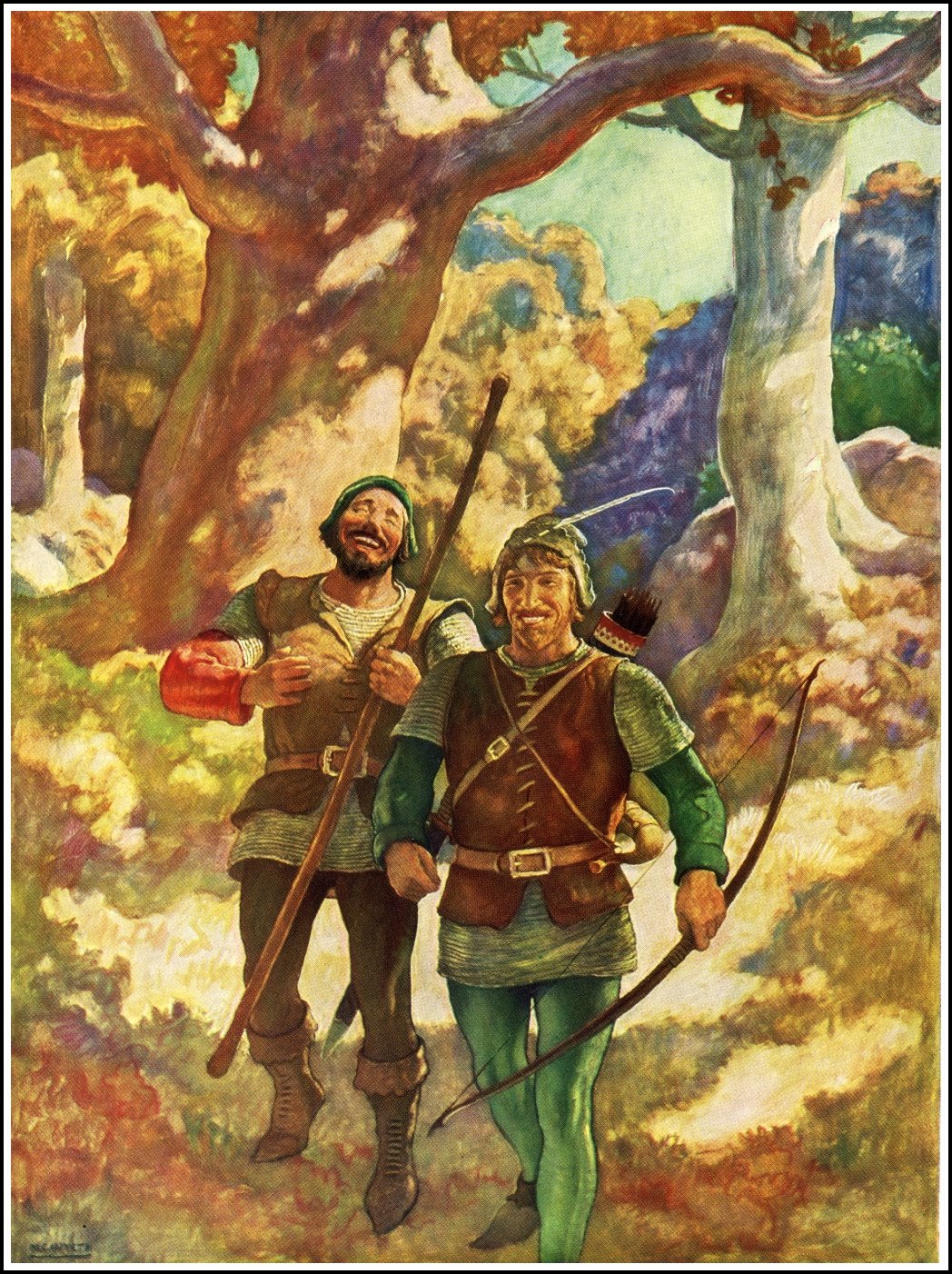
The ranger is a sub-class of fighting-man. Rangers are warriors trained to operate in the wilderness. They are self-sufficient, cunning and well trained at fighting the barbarian tribes (human, humanoid and otherwise) that lurk on the fringes of civilization.

  • Prime Attributes: Strength & Wisdom, 13+ (+5% experience)
  • Hit Dice: 1d10/level (Gains 4 hp/level after 10th.)
  • Armor/Shield Permitted: Chainmail, leather, padded, ring and shield.
  • Weapons Permitted: Any.

Rangers have a +1 bonus to surprise (i.e. surprise on a roll of 1-2 on 1d6) and a +1 bonus to avoid being surprised (i.e. surprised on a roll of 1 on 1d8).

When fighting tribal humanoids (bugbears, gnolls, goblins, hobgoblins, kobolds, orcs, and the like) or giants (giants, ogres, and the like), a ranger inflicts extra damage equal to their level.

With a successful saving throw, a ranger can find and follow a creature’s trail for 5 hours. When tracking humanoids or giants, the ranger does so at a +2 bonus. The ranger can also determine the approximate number of creatures and their type. Rangers can also use this ability to hide tracks.

Rangers have a 2 in 6 chance to notice traps and concealed openings in a natural surrounding merely by passing within 30 feet of them. They are also capable of disarming and building simple snares and pit traps (1d4 damage).

A ranger’s training includes learning how to survive in the wild, climb cliffs and trees, conceal themselves in natural environments, move silently in natural environments and concoct and counteract natural poisons. When a ranger’s success with one of these skills is in doubt, the player should roll a saving throw to avoid failure.

At level 6, a ranger chooses one specific type of creature (i.e. goblin, gnoll, or hill giant) as his favored enemy. The ranger gets a +2 bonus to hit his favored enemy and a +2 AC when fighting his favored enemy. Further, when tracking his favored enemy, a ranger receives a +2 bonus to the tracking save. The ranger is always able to neutralize poisons of the favored enemy, whether manufactured or natural.

Level Experience Hit Dice Attack Save Title
1 0 1 +0 18 Woodsman
2 2,250 2 +1 17 Scout
3 4,500 3 +2 16 Guide
4 9,000 4 +3 15 Wanderer
5 18,000 5 +4 14 Voyager
6 40,000 6 +5 13 Pathfinder
7 75,000 7 +6 12 Warden
8 150,000 8 +7 11 Hawkeye
9 250,000 9 +8 10 Ranger
10 500,000 10 +9 9 Ranger
11 725,000 +4 hp
+10 8 Ranger
12 950,000 +8 hp
+11 7 Ranger

S&W Format

Hit Dice: 1d6+2 per level, +3 hit points per level after level 9
Armor Permitted: Chainmail, leather, ring and shield.
Spellcasting: If you do not use a druid class, replace druid spells with cleric spells.

Level Experience Hit Dice Attack Save Title
1 0 1 +0 16 Woodsman
2 2,500 2 +0 15 Scout
3 5,000 3 +1 14 Guide
4 10,000 4 +2 13 Wanderer
5 20,000 5 +2 12 Voyager
6 40,000 6 +3 11 Pathfinder
7 80,000 7 +4 10 Warden
8 160,000 8 +5 9 Hawkeye
9 320,000 9 +6 8 Ranger
10 440,000 +3 hp
+7 7 Ranger
11 560,000 +6 hp
+7 6 Ranger
12 680,000 +9 hp
+8 5 Ranger

Art by N. C. Wyeth via Golden Age Comic Book Stories

A Few Random Thoughts

A few random ideas hit me today and I thought I’d put them down on pixel before I forgot.

Thieves
I think the subject of thieves in the OSR may soon surpass alignment in the amount of words written. Personally, I just used a thief class that made saving throws (modified by ability score bonuses/penalties) to perform his skills – kind of, save or fail to climb the wall idea. It was simple and worked for the group. Later, I got to thinking about a S&W thief class that gets a flat bonus to some of the existing “X in 6” skill checks in the game, i.e. finding secret doors, listening at doors, surprise, chance to notice a trap, etc. That gives you a thief that lives within the framework of the game, and is simply a bit better than the other PCs at the non-combat side of the equation. Then I thought that you could make each thief stand out by letting him specialize in one skill, say surprise, using the saving throw mechanic with that one skill. I was thinking in terms of the classic caper movies, where the boss assembles a team to rob a bank – you have the greatest safe cracker, greatest get-away car driver, etc. So, each thief would be generally good at slipping through a dungeon’s non-combat defenses, and would eventually become one of the best in the world at his specialized skill. Just a thought.

Big Monsters
Big monsters should create a nice, dramatic fight-to-the-finish in games, but they often fall flat. The problem, I think, might be that they’re surrounded, and with all attacks focused on the one monster, their life expectancy isn’t necessarily much more than every other beastie encountered on an adventure. One answer could be to let the monster cause random damage (1d6, 2d6) to everyone within 10 to 20 feet of it, every round. This would represent the problem of fighting a really massive monster that is thrashing around and generally causing collateral damage to everything nearby. Again, just a thought.

Last Thought
Al Nofi’s CIC on the Strategy Page is one of my favorite reads. In the latest edition I found this quote:

“During the fifteenth century it was common for German mercenary companies to have a special officer named the “Booty Master,” charged with assessing the value of and overseeing the division of loot.” – Al Nofi

So, the Old School adventure party can now add a “Booty Master” to the “Mapper” and “Caller”. I like it.

Psychic Phenomena

In my previous post of encounters on the Wyvern Coast, I referenced a psychic class, which I now present here. What follows is open game content.

The Psychic Sub-Class
The psychic is a sub-class of magic-user that learns to focus his innate mental powers to create astrounding psychic phenomena. Psychics must go though a training regimen not dissimilar to monks. But where monks train their bodies, psychics train their minds.

  • Prime Attribute: Intelligence & Wisdom, 13+ (+5% experience)
  • Hit Dice: 1d4 (Gains 1 hp/level after 10th level.)
  • Armor/Shield Permitted: Leather, padded.
  • Weapons Permitted: Club, dagger, dart, hand axe, light hammer, short bow, sickle, sling, spear, staff.

The most basic ability a psychic has is his “sixth sense”, which warns him of danger. Because of their sixth sense, psychics are only surprised on a roll of 1 on 1d8. Psychics receive a +1 bonus on saving throws made to avoid traps, and can spot secret or hidden doors as well as an elf.

Psychics train their minds to be a veritable fortress of intellect. This gives them a +1 bonus on saving throws against mental magics (ESP, charm person, etc) and the powers of other psychics. At 6th level, their intellect fortress becomes a tower of iron will and their saving throw bonus improves to +3.

At levels 1, 3, 5, 7, 9, and 11 the psychic opens the door to a new psychic power from the following list. To use a power, the psychic must succeed at a saving throw, and his victim (if there is one) must fail a saving throw. The subject of a psychic power must be within the psychic’s field of vision. If, during the day, a psychic fails a saving throw to activate a power, that power closes to him for the remainder of the day and until he spends one hour in meditation the next day.

Psychic Powers
Astral Projection: The psychic can enter a trance and project his astral spirit from his physical body. This astral spirit is incorporeal and unable to interact with the physical world. Astral spirits can only communicate using the power of telepathy. An astral spirit can travel freely over the physical world, and can enter the ethereal and astral planes at will. The astral spirit can interact with objects and creatures on the ethereal and astral planes, and can communicate normally therein. If a psychic’s astral spirit is killed, his physical body dies as well.

Channeling: By opening his mind to the cosmos, the psychic can commune with higher planes (as the magic-user spell contact other plane). Channelling is a difficult power to control, and imposes a -5 penalty on the psychic’s activation saving throw. A failure to activate this power results in the psychic’s personality (or alignment) changing (as determined by the Referee) for 1d6 days.

Clairaudience/Clairvoyance: A psychic with these abilities can see or hear the going’s on in a different place. If the psychic has never been in this place, or does not know somebody present, his saving throw to activate this ability is made at a -5 penalty. Separate saving throws must be made to use clairaudience (remote hearing) and clairvoyance (remote seeing).

Cloud Minds: With this ability, a psychic can cloud people’s minds, making himself invisible to them. Just as with the magic-user spell invisibility, an attack by the psychic spoils the effect. If used on multiple subjects, the psychic suffers a -1 penalty to his saving throw to activate the power for each subject beyond the first.

Dowsing: Using a simple dowsing rod, the psychic can find the nearest source of fresh water. He can also use this power to discover the location of precious metals and gems (as a wand of metal detection), but suffers a -3 penalty to his activation saving throw.

Ego Whip: This is the psychic’s ability to stun another sentient creature by causing terrible pain and trauma in their mind. A stunned creature remains stunned for a number of rounds equal to the psychic’s level. An ego whip can only be used on a single creature.

Empathic Projection: This is the ability to project powerful emotions (anger, joy, sorrow, fear) in the mind of a subject. It is up to the Referee to determine the effects these emotions might have on a situation. A psychic who fails his saving throw to activate this power must make an additional saving throw or be struck with the emotions himself.

ESP: With this ability, the psychic can read a subject’s mind, as with the magic-user spell of the same name.

Id Insinuation: By insinuating his own thoughts and memories in an opponent’s mind, the psychic causes either confusion (as the magic-user spell) or insanity (as the magic-user spell). Attempting to cause insanity imposes a -10 penalty on the psychic’s activation saving throw. A failure to activate this power properly forces the psychic to make a saving throw himself or suffer the effects of the power himself.

Illusion: The psychic can use this ability to plant powerful illusions inside a person’s mind. In general, these illusions will correspond to the basic spells of an illusionist, with a penalty equal to the illusion’s level assessed to the psychic’s activation saving throw.

Mesmerism: This is the ability to put others into a trance, thus gaining the ability to question them truthfully or implant suggestions in their mind. Implanting a suggestion works as the magic-user spell of the same, and imposes a -5 penalty on the psychic’s saving throw to activate the power.

Mind Thrust: With a sharp thrust of his mental powers into the mind of one sentient opponent, the psychic inflicts 1d6 points of damage plus one point of damage for every point difference between his own and his opponent’s intelligence scores. If an opponent’s intelligence score is unknown, assume that it is a 10.

Psionic Blast: A psionic blast works like an ego whip, but instead stuns creatures in 30-ft cone emanating from the psychic’s forehead. A psychic suffers a -5 penalty to activate a psionic blast.

Psychic Surgery: Psychic surgery can be used to double a creature’s natural healing or to grant a subject a +1 bonus to save against diseases. It can also be used to heal or inflict 1d6 points of damage. This requires the psychic to physically touch the subject, and the psychic’s saving throw to activate the power is made at a -5 penalty. At 5th level, the psychic can heal or inflict 2d6 points of damage. At 10th level, the psychic can heal or inflict 3d6 points of damage.

Psychometry: This is the psychic’s ability to read the psychic vibrations given off by an object or place, allowing him to learn elements of its history such as who last held the device, how it is used, or traumatic events that took place there. In effect, it works like the magic-user spell legend lore. The Referee might impose penalties on the psychic’s saving throw to activate this power depending on the age and provenance of the object or place being read.

Pyrokinesis: This is the ability to cause objects to burst into flames. The ability can only be used on flammable objects, and inflicts 1d4 points of damage per psychic level. Activating the power requires a full round of concentration on the part of the psychic. Failure to this activate this power requires the psychic to make an additional saving throw to avoid being damaged himself.

Telekinesis: This is the ability to move small objects with one’s mind. For precise telekinetic control of a small object, a -5 penalty is imposed on the psychic’s saving throw to activate this power. Otherwise, impose a penalty of -2 per 10 pounds of the object being moved.

Telepathy: With this ability, the psychic can project his thoughts into the minds of other sentient creatures. Penalties may be applied to this ability based on the distance of the psychic’s target or when he tries to communicate with several people at once.

Teleportation: This power allows a psychic to teleport (as the magic-user spell) objects. The psychic can teleport creatures, but suffers a -5 penalty to his saving throw to activate the power. Teleporting multiple objects or creatures imposes a -1 penalty to his activation saving throw per creature or object beyond the first.

Transvection: A psychic can use transvection to cause himself to levitate (as the magic-user spell). It can also be used to fly (as the magic-user spell), but such use imposes a -5 penalty to the psychic’s activation saving throw.

.nobrtable br { display: none }

Level Experience Hit Dice Attack Save Title
1 0 1 +0 17 Learner
2 2,200 2 +1 16 Mentalist
3 5,000 3 +1 15 Sensitive
4 10,000 4 +1 14 Channeler
5 20,000 5 +1 13 Esper
6 40,000 6 +2 12 Savant
7 75,000 7 +2 11 Yogi
8 150,000 8 +2 10 Guru
9 300,000 9 +2 9 Mind Lord
10 450,000 10 +3 8 Mind Lord
11 750,000 +1 hp +3 7 Mind Lord
12 950,000 +2 hp +3 6 Mind Lord

S&W Format
Hit Dice: 1d6 per level, +1 hit point per level after level 9
Armor/Shield Permitted: Leather.
Weapons Permitted: Club, dagger, dart, hand axe, short bow, sling, spear, staff.

Level Experience Hit Dice Attack Save Title
1 0 1 +0 15 Learner
2 1,800 2 +0 14 Mentalist
3 3,600 3 +0 13 Sensitive
4 7,200 4 +1 12 Channeler
5 14,400 5 +1 11 Esper
6 30,000 6 +2 10 Savant
7 60,000 7 +2 9 Yogi
8 120,000 8 +3 8 Guru
9 240,000 9 +3 7 Mind Lord
10 390,000 +1 hp +4 6 Mind Lord
11 540,000 +2 hp +5 5 Mind Lord
12 690,000 +3 hp +5 4 Mind Lord

Barbarians and Bards

This post continues the look at the hybrid character classes I used in my last campaign, featuring the barbarian and bard. What follows is open game content.

The Barbarian Sub-Class
The barbarian is a sub-class of fighting-man. Where fighting-men rely on training and skill to win the day, the barbarian uses ferocity and instinct. Most barbarians are members of uncivilized tribes of humans, demi-humans or humanoids. “Civilized” barbarians can represent men and women with hair-trigger tempers and a zest for violence.

  • Prime Attributes: Strength & Constitution, 13+ (+5% experience)
  • Hit Dice: 1d12/level (Gains 5 hp/level after 10th.)
  • Armor/Shield Permitted: Leather, padded, ring and shields.
  • Weapons Permitted: Any.

Attacks from the flank receive no bonus to hit a barbarian. Bonuses for attacks against a barbarian’s back are halved.

Barbarians mistrust the doings of magic-users and illusionists. When presented with displays of such magic they must succeed at a saving throw or be stunned with fear for 1 round.

At third level, the barbarian can go berserk in combat, gaining a +2 bonus to hit and damage, but suffering a -2 penalty to her armor class. The barbarian’s berserk fury lasts for a number of rounds equal to 1 + the barbarian’s level. While in her rage, the barbarian focuses on her foes until they are dead. If her rage continues after her foes are gone, she will attack her nearest ally unless she makes a successful saving throw. This ability can be used whenever the barbarian engages in combat.

At fifth level, a barbarian can continue to fight after losing all of her hit points if she is in a berserk fury. When the berserk fury ends, the barbarian succumbs to death.

Level Experience Hit Dice Attack Save Title
1 0 1 +0 17 Tribesman
2 2,100 2 +1 16 Savage
3 4,700 3 +2 15 Plunderer
4 9,400 4 +3 14 Raider
5 20,000 5 +4 13 Reaver
6 40,000 6 +5 12 Shield-Biter
7 80,000 7 +6 11 Berserker
8 160,000 8 +7 10 Conqueror
9 320,000 9 +8 9 Barbarian Prince
10 600,000 10 +9 8 Barbarian Prince
11 800,000 +5 hp
+10 7 Barbarian Prince
12 1,000,000 +10 hp
+11 6 Barbarian Prince

S&W Format

Hit Dice: 1d6+3 per level, +3 hit points per level after level 9
Armor Permitted: Leather, ring and shields

Level Experience Hit Dice Attack Save Title
1 0 1 +0 15 Tribesman
2 2,500 2 +0 14 Savage
3 5,000 3 +1 13 Plunderer
4 10,000 4 +2 12 Raider
5 20,000 5 +2 11 Reaver
6 40,000 6 +3 10 Shield-Biter
7 80,000 7 +4 9 Berserker
8 160,000 8 +5 8 Conqueror
9 320,000 9 +6 7 Barbarian Prince
10 440,000 +3 hp
+7 6 Barbarian Prince
11 560,000 +6 hp
+7 5 Barbarian Prince
12 680,000 +9 hp
+8 4 Barbarian Prince

The Bard Sub-Class

The bard is a sub-class of fighting-man, a warrior-poet whose music works magic. Bards are usually charismatic rogues, stealing hearts as readily as they cross steel. They are walking repositories of legends and stories. Their music is capable of stiffening the resolve of comrades, lulling guards into a daze, or charming lads and lasses.

  • Prime Attributes: Intelligence & Charisma, 13+ (+5% experience)
  • Hit Dice: 1d10/level (Gains 4 hp/level after 10th.)
  • Armor/Shield Permitted: Leather, padded, ring, shield.
  • Weapons Permitted: Bows, club, dagger, dart, hand axe, mace, war hammer, javelin, long sword, short sword, sling, spear, and staff.

Bards can decipher and interpret legends and secret writings by making an saving throw modified by their intelligence bonus/penalty. This includes unfamiliar languages, codes and incomplete messages. Bards can also use this ability to decipher and then cast spells from arcane scrolls, though the intelligence saving throw to do so is made at a penalty equal to the level of the spell being cast.

By playing music, singing or reciting heroic verse, bards can inspire listeners to surpass their normal level of performance, granting allies a +1 bonus to all saving throws for a number of rounds equal to the bard’s level. A bard can do this a number of times per day equal to their level. The bonus imparted increases with the bard’s level, to +2 at sixth level and +3 at twelfth level.

With a successful saving throw, a bard acquires or remembers some information pertaining to local notables, a legendary item, a noteworthy place or any other relevant bit of information. Acquiring the information may involve speaking to the locals or doing research in a library. It can also lead to a partial or complete understanding of a local or secret language, including the thieves’ cant, the secret language of druids or the trail signs of rangers. This ability cannot reveal the exact powers of a magic item, but may give a hint to its history, general function or activation. The Referee may make the saving throw harder based on the obscurity of the knowledge.

At fourth level, a bard gains the ability to place a single creature into a trance with a performance. The bard can use this ability three times per day, and can maintain the effect for a number of rounds equal to the character’s level.

When attempting to fascinate, the target makes a saving throw to resist. If the saving throw fails, the creature sits quietly and listens to the bard for the duration of the effect. While fascinated, the creature is considered prone and suffers a -4 penalty to saving throws and armor class. If the creature’s saving throw succeeds, the bard cannot attempt to fascinate that creature again for 24 hours. Any obvious threat to the fascinated creature, such as the casting of a spell, drawing a sword, or aiming of a weapon, automatically breaks the effect.

At fifth level, the bard may attempt to charm (as the spell charm person) a fascinated creature. At eighth level, the bard may attempt to implant a suggestion (as the spell) in a fascinated creature. At twelfth level, a bard may attempt to instill antipathy/sympathy (as the spell) on a fascinated creature. In each case, the creature receives an additional saving throw to resist the additional effect.

The number of creatures the bard can fascinate at once is equal to two less than the level of the bard. Thus, a fourth level bard can fascinate two creatures, a sixth level bard can fascinate 4 creatures and a twelfth level bard can fascinate 10 creatures.

At ninth level, a bard can inspire heroism in one other creature. For every two levels the bard attains beyond ninth level, the bard can inspire heroism in one additional creature. To inspire heroism, the bard must use song, poetry or some sort of oration. A creature inspired gains a +2 bonus to attacks and saving throws and +2 hit points per level for one minute.

Level Experience Hit Dice Attack Save Title
1 0 1 +0 18 Dilettante
2 1,500 2 +1 17 Raconteur
3 3,250 3 +2 16 Jongleur
4 7,500 4 +3 15 Versifer
5 15,000 5 +4 14 Goliard
6 30,000 6 +5 13 Poet
7 60,000 7 +6 12 Minstral
8 120,000 8 +7 11 Troubadour
9 240,000 9 +8 10 Meistersinger
10 450,000 10 +9 9 Meistersinger
11 625,000 +4 hp
+10 8 Meistersinger
12 800,000 +8 hp
+11 7 Meistersinger

S&W Format

Hit Dice: 1d6+2 per level, +3 hit points per level after level 9

Level Experience Hit Dice Attack Save Title
1 0 1 +0 16 Dilettante
2 1,700 2 +0 15 Raconteur
3 3,400 3 +1 14 Jongleur
4 6,800 4 +2 13 Versifer
5 13,600 5 +2 12 Goliard
6 25,000 6 +3 11 Poet
7 50,000 7 +4 10 Minstral
8 100,000 8 +5 9 Troubadour
9 200,000 9 +6 8 Meistersinger
10 320,000 +3 hp
+7 7 Meistersinger
11 440,000 +6 hp
+7 6 Meistersinger
12 560,000 +9 hp
+8 5 Meistersinger