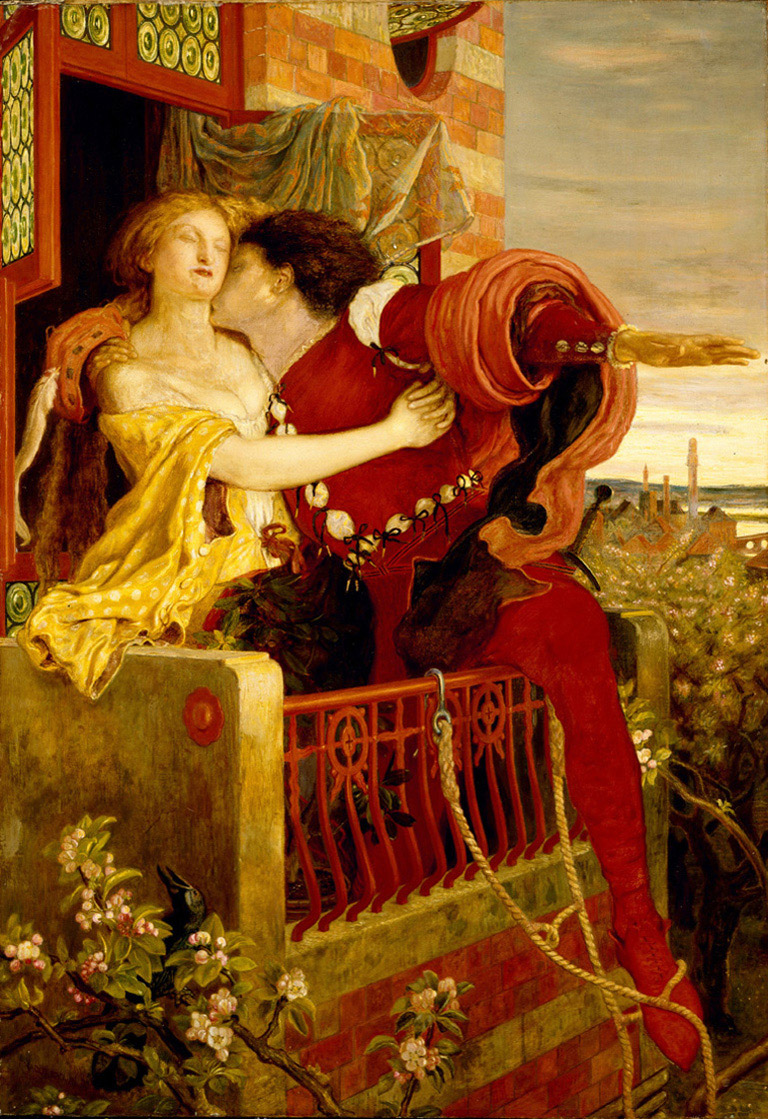
Deviant Friday – Recent Favorites

Here are a few of the illustrations I’ve “favorited” (yeah, favorite is now a verb – get used to it) on DeviantArt recently. Enjoy!


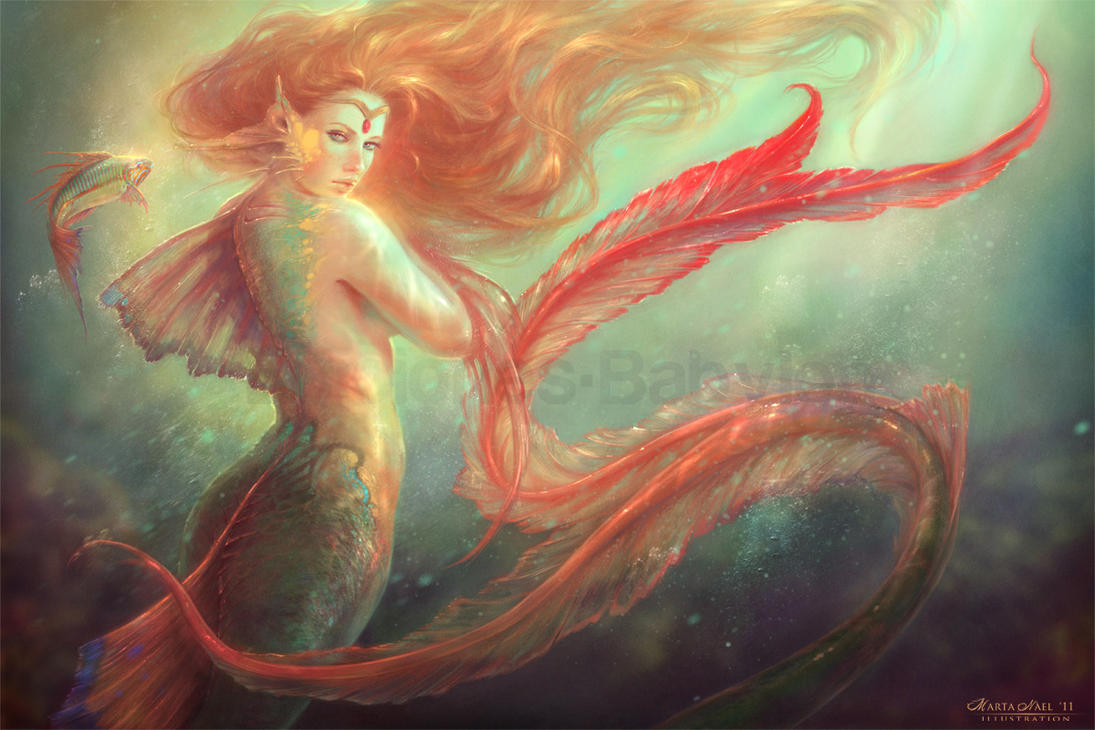
(always one of my favorites – I should be getting the recreation of Morgan Ironwolf in the mail soon!)


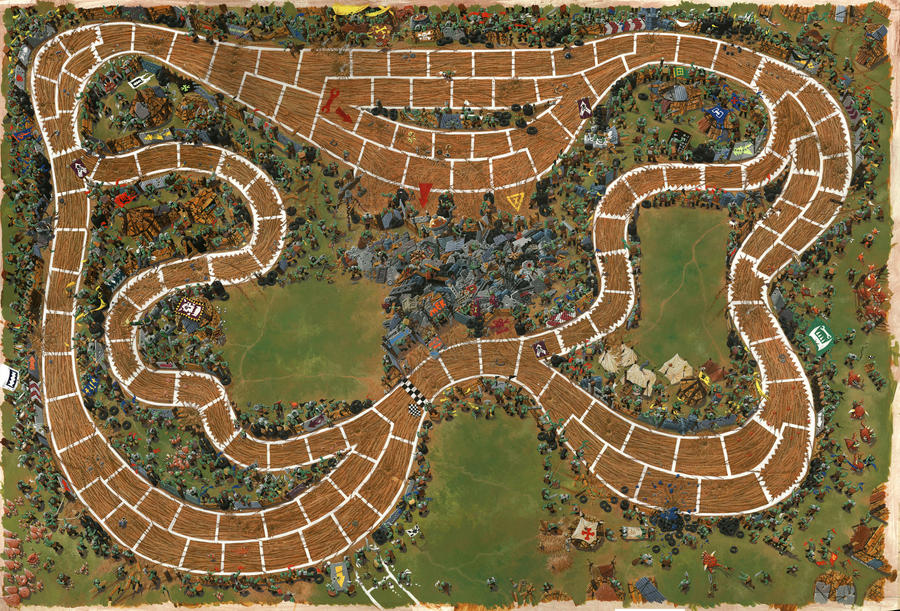
(Shame this game wasn’t made – probably would have been fun)


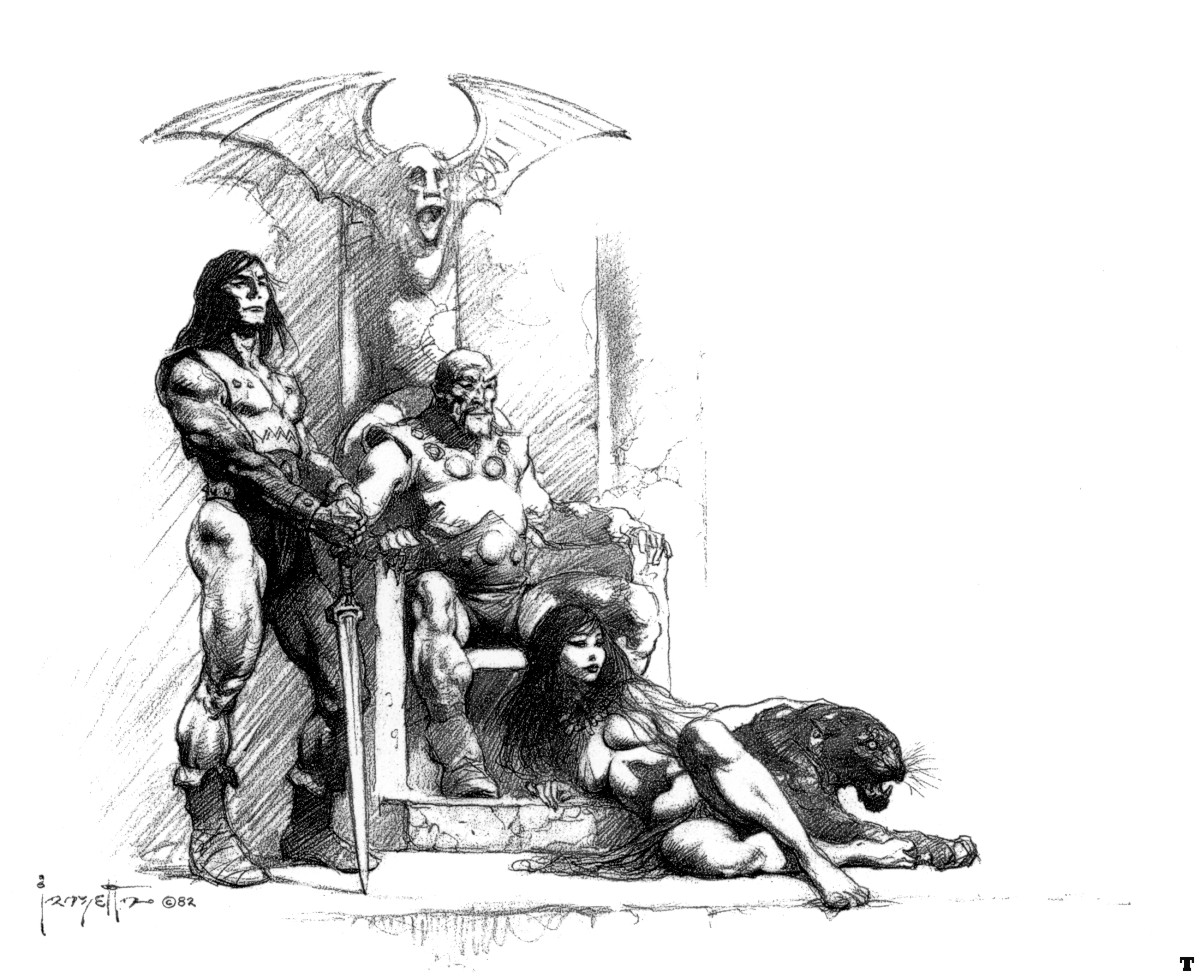
(I so prefer this to the more anime-inspired armor and weapons that show up in many fantasy RPG products these days.)


If you like these, be sure to visit the artists galleries as DeviantArt and their websites – maybe purchase a print.

See you all tomorrow with a Dragon by Dragon!

Astro Creeps [Space Princess Monster]

Astro Creeps

HD 5 | DEF 13 | FIGHT 10 | SHOOT 11 | MOVE N | STR 5 | DEX 6 | MEN 8 | KNO 4 | DL 6

The conquest of space did not happen overnight, and it didn’t happen without a few casualties. Many of those souls who were lost in the spaceways found it impossible to slip the mortal coil entirely, their thirst for adventure and discovery being so keen. These men and women are known as astro creeps.

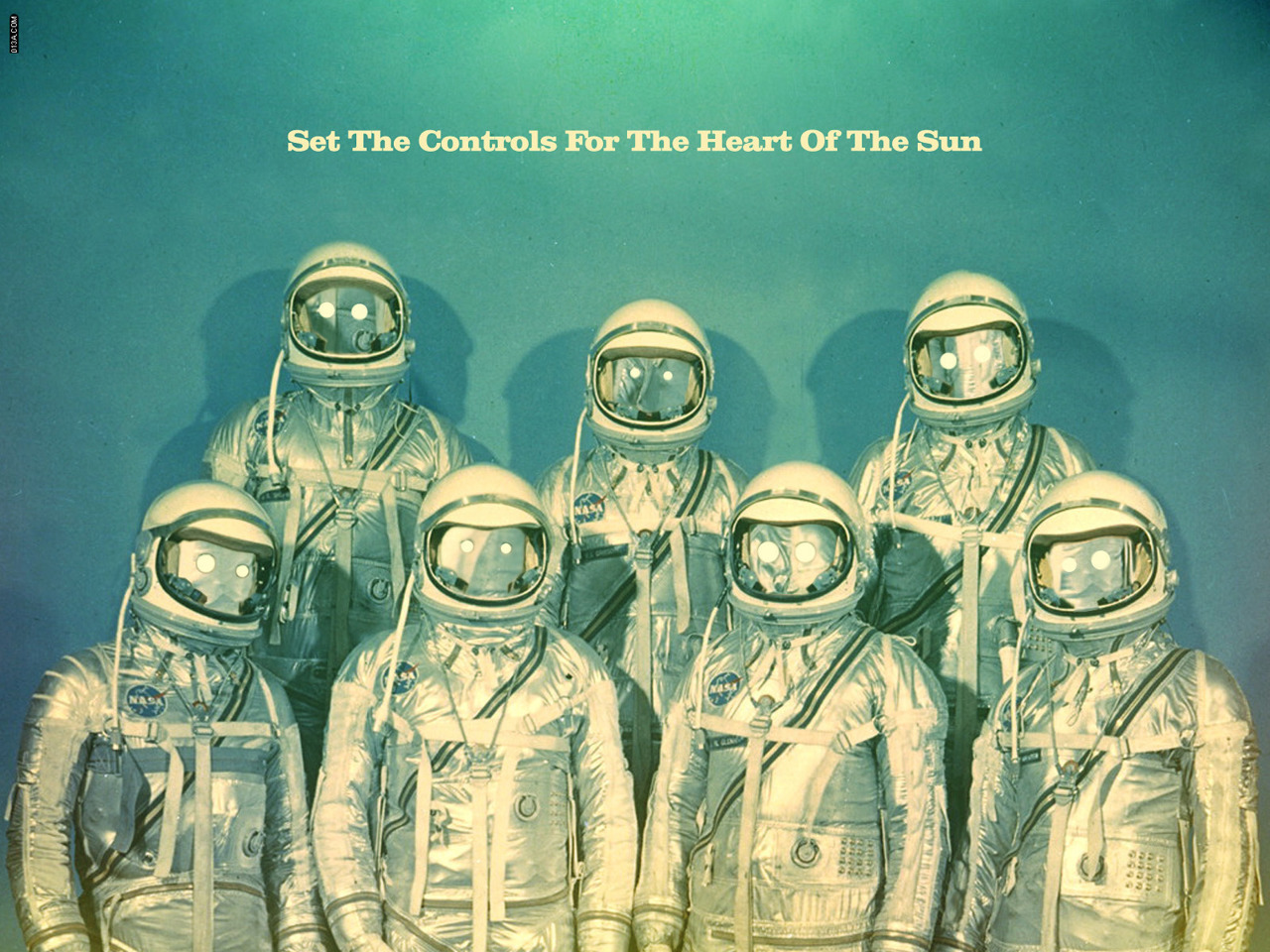
Astro creeps appear as space suits, usually of an old vintage. In place of faces, the astro creeps have two glowing orbs that seem to serve as their eyes. They drift through space, searching for new starships that they may inhabit (haunt, one might say) and turn to their own mysterious purposes.

An astro creep can attempt to seize control of a ship’s computer, using this control to chart a new course (usually to reach the destination they set out for when they were alive) or even to shut down random functions (life support, weapons, etc.). The chance of success depends on the size of the ship they are attempting to control:

Starfighter 79%
Shuttle 68%
Freighter 46%
Blockade Runner 46%
Corvette 34%
Star Cruiser 13%
Dreadnaught 6%

Note: Astro creeps rarely seize control of starfighters due to the cramped conditions.

Characters can use their identify and use device skill each round to attempt to regain control, rolling against a DC of 14 to succeed.

Astro creeps can unleash a piercing, manic laugh in combat, once every 1d4 rounds. Those within 30 feet of the laugh must pass a MEN test or be struck with panic, dropping whatever they are holding and fleeing at top speed for 10 rounds minus their MEN score.

Astro creeps can, at will, phase themselves through solid bulkheads and walls – moving through up to 3 feet of solid material. They are otherwise solid, and cannot use this ability to avoid being hit in combat.

Random Jeweled Thrones Upon Which Your Barbarian Can Tread

Whenever I’m writing a hex crawl and I it’s time to describe some royal ugly dude’s throne, I have to take a pause. How do I make this interesting? In literary terms, the throne is an extension of the person sitting on it – and in game terms, thrones are one of those things that players should remember – they give an encounter a bit of color and flash – something to fire the imagination.

With that in mind, I present a few tables for randomly generating hopefully interesting thrones.

First things first, you need to know whose butt is going to be planted in it, because their rank will provide a modifier (or no modifier) to the dice rolls:

Knight/Baron: +0
Viscount/Count: +5
Duke: +10
Grand Duke/Prince: +15
King/Queen: +20
Pope/Emperor: +25

For monster monarchs, let their hit dice be your guide:

0 to 5 HD: +0
6 to 9 HD: +5
10 to 14 HD: +10
15 to 19 HD: +20
20+ HD: +25

THRONE MATERIAL (D%)

01-010 – Pine*
11-17 – Elm*
18-24 – Maple
25-31 – Cedar
32-38 – Oak
39-45 – Walnut
46-52 – Cherry
53-59 – Teak
60-64 – Limestone (or granite or basalt)
65-69 – Bone (re-roll if this is too bad ass for you)
70-74 – Iron/Steel (re-roll if this is too metal for you)
75-79 – Kingwood
80-84 – Tulipwood
85-89 – Ebony
90-94 – Blackwood
95-99 – Marble
100-104 – Porphyry
105-109 – Malachite
110-116 – Brass
117-120 – Silver
121-122 – Gold
123 – Platinum
124 – Mithril
125 – Adamantine

* 10% chance that the wood is covered by silver foil or gold leaf

ORNAMENTS (D%)

01-08 – None
09-16 – Carvings (animals, plants, monsters, geometric designs, etc.)
17-23 – Feathers (peacock, griffon, roc, angel, etc.)
24-30 – Fixtures, brass (knobs, spikes, figurines, medallions)
31-36 – Fixtures, silver
37-43 – Inlay, wood (rosewood, zebrawood, holly, cocobo, ziricote, blackwood, ebony, kingwood)
44-48 – Inlay, shells
49-55 – Pillows of silk
56-60 – Pillows of velvet
61-65 – Pillows of damask
66-70 – Inlay, alabaster
71-75 – Inlay, ivory or tusks (elephant, narwhal, catoblepas)
76-79 – Inlay, mother-of-pearl
80-85 – Pietra dure – marble
86-90 – Pillows of leather (monster hide)
91-94 – Fixtures, gold
95-98 – Fixtures, platinum
99-103 – Pietra dure – fancy stones (see Blood & Treasure)
104-106 – Fixtures, mithril
107-109 – Fixtures, adamantine
110 – 114 – Slaves (servants, dancers, musicians) – chained to throne
115-118 – Guard animals (wolves, cheetahs, lions, tigers) – chained to throne
119-122 – Gems (1d12; see Blood & Treasure)
123-125 – Jewels (1d12; see Blood & Treasure)

FOUNDATION (D%)

There is a 1 in 4 chance of the throne being situated on an interesting foundation

01-50 – Dais (1d4+1 steps)
51-75 – Moat – water
76-85 – Moat – perfumed water
86-95 – Moat – wine
96-99 – Moat – flaming oil
100-109 – Statue (i.e. throne atop a statue of a bearer, either an animal or people)
110-114 – Monster (throne actually on the back of a large, subdued monster)
115-125 – Slaves (throne on the back of human or demi-human or non-human slaves)

SPECIAL POWERS (D%)

Chance of special powers equal to 1 + rank modifier on percentile dice

01-06 – Augury (1/day)
07-12 – Charm person (1/day)
13-18 – Command (1/day)
19-27 – Detect evil or good (1/day)
28-33 – ESP (1/day)
34-37 – Summon monster III (1/day)
38-40 – Summon monster IV (1/day)
41-42 – Summon monster V (1/day)
43-46 – Augury (3/day)
47-50 – Charm person (3/day)
51-53 – Command (3/day)
54-58 – Detect evil or good (3/day)
59-62 – Break enchantment (1/day)
63-66 – Cure disease (1/day)
67-70 – Divination (1/day)
71-74 – Remove curse (1/day)
75-78 – ESP (3/day)
79-84 – Magic resistance 5%
85-87 – Detect evil or good (at will)
88-90 – ESP (at will)
91-94 – Magic resistance 10%
95-96 – Contact other plane (1/week)
97-98 – Gate (1/week)
99-101 – Protection from evil or good (constant)
102-104 – See invisibility (constant)
105-106 – Tongues (constant)
107-108 – True seeing (constant)
109-110 – Control weather (1/day)
111-112 – Flame strike (1/day)
113-114 – Insect plague (1/day)
115-116 – Lightning bolt (1/day)
117-118 – Slow (1/day)
119-120 – Magic resistance 20%
121-122 – Summon Monster VI (1/day)
123-124 – Summon Monster VII (1/day)
125 – Wish (1/lifetime)

After Earth RPG

I got an email a few days ago from Jeremy Penter asking if I’d post about a game he and some other folks are working on called After Earth. Now, I’m always a bit squeamish about promoting things not directly tied into old school gaming on this blog – I don’t want to invoke eye-rolling from the core audience. On the other hand, plenty of folks out there have been nice enough to mention my nonsense and drive readers/customers to me, so I figure I should return the favor.

After Earth sounds like its a fantasy, post-apocalypse RPG that uses playing cards for task resolution. The Kickstarter page has some nice art on it as well as a bit more description of the rules and the game setting.

If you like post-apocalyptic settings, you might give this game a look-see.

The Other Guy Who Says ‘Ho Ho Ho’ [Monster]

Be honest, wouldn’t you like to see this guy …

fighting a horde of these guys …

Green Giant
Huge Giant, Lawful (NG), Average Intelligence; Solitary

Hit Dice: 13
Armor Class: 17
Attacks: 2 slams (1d10)
Saves: Fort 4, Ref 9, Will 9
Movement: 40
XP: 1,300 (CL 14)

Green giants dwell in lush, fertile areas, being the sons of fertility goddesses and therefore interested in agriculture. They tend to “adopt” farming regions, providing a service for the farmers in the area in the form of keeping invaders and pests out, and in return expecting tribute and worship for their divine mothers.

Once per day, they can unleash a mighty laugh that gladdens the hearts of farmers and honest folk (per the good hope spell) and strikes fear into the hearts of despoilers and wicked folk (per the cause fear spells). The range of this laugh is 6 miles.

Spells: At will–create water, purify food and drink, entangle, speak with plants; 3/day–goodberry, plant growth, repel vermin; 1/day-command plants, commune with nature.

Special Qualities: Magic resistance 50% vs. druid spells

Personal Quests – The Quest of the Mind

When I started this, I knew that I wanted to do three versions of the personal quest, one to challenge each of the mental ability scores. The Quest for Romance challenges Charisma, and the Test of Faith challenges Wisdom. What to do with Intelligence, though?

Scientific revolution, of course!


Quest of the Mind

In a quest of the mind, a character challenges the foundations of knowledge in the game world he inhabits. We’re talking Copernicus vs. Ptolomy here, and that makes this maybe the biggest quest of all, since, on a fundamental level, it allows the player to screw with the game world at large. Naturally, allowing such a quest is totally up to the Referee, who might not like to have his game world turned upside down – but if a game world is beginning to get stale, what better way to freshen things up?

So, what counts as a scientific revolution in a fantasy world? Obviously, disproving the function of magic is out of bounds – too many people actually using magic to make that world. A few possibilities might be:

Human beings evolved from apes (or locathah or green slime)

The world is round (or flat or cubical or a dodecahedron)

The Sun is the center of the solar system (or the perfect breasts of Queen Faustina of Zrath or the Golden Needle that lies in the deepest valley in the world)

You get the idea. Whatever is being “proven” must be, according to everything everyone in the game world knows (i.e. what the Referee initially made up), wrong.

I won’t lie to you – guidelines for such a thing are not easy to come up with, so a great deal will be left up to the Referee and player.

Step One

The character makes a very public announcement – perhaps in the court of the World Emperor or, if the printing press exists, in a widely published paper that shocks (SHOCKS) sages all over the world to their core.

The iconoclast must risk points of intelligence here – a maximum of 8 – with failure indicating that something he or she thought was true about the cosmos was wrong – i.e. the iconoclast was not as smart as everything thought they were. The intelligence risked should be commensurate with the impact of the proposed scientific revolution.

Step Two

Now we get to the meat of the quest, and we have to get into some real D&D-isms to make it work, since such a proof is generally not the stuff of grand adventure.

In order to prove his theory correct, the iconoclast must gather evidence – at least one piece of evidence per point of intelligence risked. The iconoclast’s enemies (and they will be many, and may be very powerful) will work actively against her – so beware assassins in the night and annoying bureaucrats in the day.

The pieces of evidence to be gathered should fall into the following categories:

Mathematic – A mathematic proof must always be one of the bits of evidence gathered. Creating this proof is the equivalent of creating a new spell, with the level of the spell being equal to the number of points of intelligence the iconoclast is risking. Normal spell creation rules apply (for whatever system you are using), with the exception that the iconoclast can use the services of a sage rather than alchemist to aid in his research – provided he can find a sage willing to risk his reputation to help the iconoclast. Since this is a pretty dry sort of evidence to collect, you probably don’t want to let the iconoclast do it more than once to count for his evidence.

Ancient Lore – This involves finding ancient lore that might bolster the iconoclast’s theory. Maybe it is an ancient book scribed by a long-dead archmage, a stone tablet made by pre-human fish people or observations on the cosmos worked into the gown of an ancient king by his court astronomers. Whatever it is, the iconoclast must first find a clue that it exists, and then he must find it. This might involve dungeon delving, but it could also involve performing a service for the owner or stealing it from the owner.

Specimens – Natural specimens, be they ancient fossils, samples of elements (i.e. periodic table elements, not “four classical” elements) or samples of animal or plant life (or monster life). Whatever they are, they should be exotic and hard to come by. Again, this dovetails nicely with the traditional focus of D&D, and should help keep the iconoclast’s fellow adventurers happy.

Experiments – This can be a bit tougher, of course, and might best be handled in the same way as mathematic proofs. The idea would be to prove something with a public, physical experiment – i.e. dropping a heavy ball and a light ball from a tower and seeing the rate at which they fall, or measuring shadows cast by obelisks in different towns, etc. Honestly – I’m not sure how this would work – I leave it up to creative players and Referees.

Step Three

However the evidence is gathered, it must at some point be presented to the assembled authorities. An academy of sages must be called forth by one of the great rulers of the land, and they must be given time to assemble. The sages (and this could include magic-users and clerics) should be in number equal to the points of intelligence at risk +2. Thus, if the iconoclast is risking 8 points of intelligence, the academy should include 10 sages. Creating this academy probably means that the iconoclast needs a royal or imperial patron – gaining such a patron can be an adventure all by itself.

Once the authorities are assembled, the evidence is presented to them and the argument is made. The process of debate is handled like a combat. Each person in this mental combat re-rolls their hit points based on their level (you might need to assign “levels” to the sages based on their age and reputation) and modifying these hit points by their Wisdom rather than Constitution. Each debater’s “Armor Class” is equal to 10 plus their Intelligence score. Attacks are rolled on 1d20 and are modified by the debater’s Charisma bonus (i.e. treat Charisma as though it were Strength) – damage is equal to 1d6 modified by Charisma again.

For the first bit of evidence, one opponent comes forth to challenge the iconoclast’s conclusions. The mental combat is waged until one of the combatants has lost all his “hit points”. If the iconoclast loses, then the piece of evidence is rejected. If he wins, then he convinces his challenger that he is correct – he has a new ally who will join him in battle for future fights! At the end of each fight, 50% of the “hit points” lost in that fight are restored. If the academy adjourns for the day (you might assume that each “round” of a combat takes 30 minutes), all hit points are restored with a night of rest.

If the iconoclast has a single ally, his next piece of evidence is challenged by 1d3 rivals. If he has two allies, it is challenged by 1d4 rivals, and so on, until he has convinced a 70% majority of the assembled brainiacs that he is correct.

Step Four

If the iconoclast fails to convince at least half of the assembled authorities that she is correct, she loses the risked Intelligence and any XP earned while gathering her evidence. She is a laughing stock – a kook – and will be regarded as such by commoner, academic and noble alike. Old allies will distance themselves from her, even if they do think she is correct.

If the iconoclast convinces at least half of the authorities that she is correct, she loses only half the intelligence risked, retains half of the XP earned gathering evidence, and has created a schism in the body academic. Academic wars (or real wars, if religion is involved) will rage, and the iconoclast will have to be satisfied with shaking the status quo.

If the iconoclast convinces 70% of the assembled authorities that she is correct, she increases his intelligence score by half the points she risked (max 18, unless you want to let her intelligence go higher), gains 150% of the XP earned while gathering evidence, and she becomes, academically speaking, the most important person in the world (at least until a new scientific revolution takes place). As a celebrity, she will receive offers of patronage from emperors and kings and she will forever more have the abilities of a sage (using whatever sage rules your game uses; but not including new spellcasting abilities).

Note also that the “new reality” that has been birthed may alter the functioning of spells and unearthly creatures – if demons are proven, for example, to be nothing more than illusions of a troubled mind, they might have less power over people. I’ll leave it up to the Referee how far they want things to go.


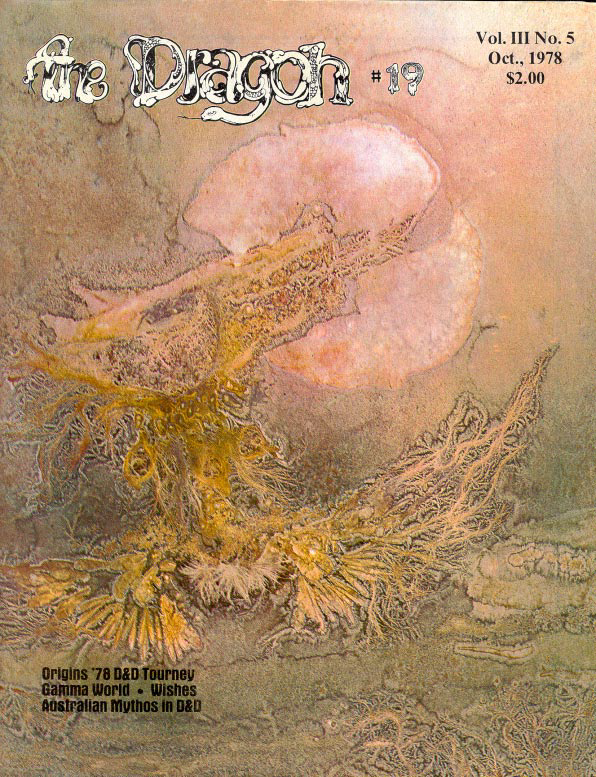
Dragon by Dragon – October 1978 (19)

Hey – almost have my months synced here! October 1978 and Dragon blows in with what appears to be a pretty full issue. Let’s begin …

First thing I see this issue, other than the editorial, is “The Battle for Snurre’s Hall”, the tournament for the Origins ’78 D&D Tournament. Good recap of the winning team’s tactics, and reminds you of the game aspect that I think sometimes gets buried under the “role play” aspect.

How Many Ettins Is a Fire Giant Worth: Competitive D&D by Bob Blake

And then this article reminds me of the importance of role play in the game. Basically, this is an article about scoring competitive modules. Given my intense interest in such things …

A Compendium of Diverse D&D Player Personalities by Mike Crane

Hmmm … maybe the next article holds something interesting …

Gamma World – A New List of Treasures To Be Found by Gary Gygax

Thanks EGG! A nice random table (1-100) of relics for Gamma World. We have a home donut maker, wire cutters in fair condition (an amazing find), a plastic box of 50-100 assorted screws (you know these are going to be used to stud a club, right), a leather bag of dice, etc.

Gamma World – More Excerpts from the Journals of Hald Sevrin by Gary Jaquet

This one covers the history of Gamma World in the Black Years. Apparently, it was hard, but people adapted.

Wormy

Or “Wormy 8 Ball” to my 12-year old brain.

Wormy swoops in (thank God) and provides some light entertainment – if you consider a tree troll being ripped apart light entertainment. Beware blue demons!

The thing that always made me wonder about Wormy was the trolls. Trolls were supposed to be complete bastards, right? But these guys were pretty cool. As a kid, the Monster Manual was as canon as it came, and this was the first introduction I had to “it’s my world, I can do whatever I want”. Good training for a young DM.

The Lowdown on Wishes by Kevin Thompson

The thing is, wishes have absolutely no place in a game. In a story, they’re fine. But in a game, nothing but trouble. Great line …

“Most DM’s want to be fair about wishes but don’t want Player characters to take undue advantage. So they kill them.”

The article tries to get into the science behind wishes. Mildly interesting, but very “campaign world” specific in a way. The idea is that wish spells are empowered into devices by wizards to allow non-wizards to use magic. They may vary in strength, and might have alignment restrictions as well (i.e. a lawful wish cannot be used for something chaotic). Thompson divides wishes into four classes:

CLASS I: Creates purely physical (mundane) objects or occurrences

CLASS II: Creates living, non-magical beings, weak magical equipment and duplicates magic-user spells up to 5th level

CLASS III: Creates living, magical beings (but only the weakest type), moderately strong magic items and can duplicate any magic-user spell and cleric spells up to 4th

CLASS IV: Can do almost anything except granting more wishes in any way, shape or form.

Not a bad schema, really.

Planning Creative Treasurers by Dave Schroeder

Dave gets into thinking more about treasures – why is that orc carrying a bunch of gems, for example, or using a theme with a treasure horde. He refers to these as toolkits, for example …

“A thief’s toolkit could contain a +1 dagger, a gem that glows in the presence of traps, a set of Gauntlets of Dexterity, a skeleton key that would raise its user’s chances of opening locks, or a pair of “waldos”, that would allow him to open trapped chests from a distance. Don’t forget a periscope for peeking around corners, or perhaps a bag of holding for the loot. Disappearance Dust would be useful, as would a Gauntlet of Etherealness that would let pouches and pockets be picked tracelessly.”

The Mythos of Australia by Jerome Arkenberg

Another in the line of mythos articles, and if you’ve ever dipped your toes into the Australian myths, you know they are quite interesting and tough to adapt to D&D. The beauty of the Greek and Norse myths is that so many of them read like comic books.

Systematic Magic by Robin W. Rhodes

I love it when geeks begin “rationally” explaining why it makes no sense that a magic-user with charm person in his book could ever earn enough gold/experience to figure out hypnotic pattern, since charm person is clearly a control spell and hypnotic pattern a mental spell.

Spells here are divided into these different categories, which have different prime requisites. Control spells, for example, have charisma as a prime requisite, while nature spells have constitution as their prime. Holy spells only have the lawful alignment as their prime requisite.

Lawful characters begin with two holy spells. Neutrals get one 1st level spell from (I guess, the language is confusing) the category that matches their highest ability score. Chaotics aren’t mentioned, and a character can never have more than two new spells at any one time.

The chance to miscast a spell is equal to the level of the spell divided by the prime requisite. So, dispel magic, a 3rd level defense spell, would have a 3/15 chance of miscast if the caster had a constitution of 15, i.e. 20% chance of miscast. DM determines the side effects of a miscast spell.

Casting a spell costs one point of its prime requisite per spell level – so that dispel magic spell would cost 3 points of constitution. One point is recovered for every turn (minute or 10 minutes, depending on the version of the game) not spent in melee.

A new spell must be successfully cast once per spell level before the caster can learn another spell of that level.

Only two fields of magic can be learned at a time.

A bit fiddly, but a neat idea. Wonder how it works in real play. Again, though, you can see the future divides of gaming even at this early stage – more rules vs. fewer rules, “logic” vs. gonzo, etc.

The Fastest Guns That Never Lived, Part III by Allen Hammack

This third in a series examines several more characters from western shows and gives them Boot Hill stats, including Bret, Bart and Beau Maverick, Will and Jeff Sonnet, Eli Wallach, Charles Bronson, James Coburn (fuck, I want to play James Coburn in a game of Boot Hill), Robert Vaughn, Tim Straum, Kid Shelleen and Jason McCord. I love that the article mashes up characters and actors.

A Mixture of Magic and Technology: Gamma World Review by Robert Barger

When people say magic and technology don’t mix, it really burns the author. Hallmark of a geek – being annoyed at differing opinions. He mostly covers the ease with which one can combine Gamma World and D&D, which is something I like as well. Moving on …

Spell Determination for Hostile Magic-Users by Steve Miller

This is a quick article to randomly determine what spells an NPC magic-user might have, inspired by a bunch of players bitching when a randomly encountered enchanter threw and ice storm and fireball at them and wiped out their PCs. My response to this problem …

Honestly, it is good to vary the spells a bit, but on the other hand, do players ever apologize for destroying the kick-ass villain you designed in some dungeon you worked all month to stock? No, they don’t. You shouldn’t either.

Charts for Determining the Location of Treasure by Ronald Guritzky

Nice random table of treasure locations – very helpful when you write a lot of this stuff.

1) The location of the treasure
1-6 Chest
7-9 Urn
10-12 Bag
13-13 Pot
16-17 Loose
18 Carried
19 Hidden (Wall, Floor, Secret Compartment, etc.)
20 Ref’s Choice

2) There is a one in four chance that a treasure has a trap in it.

3) Traps
01-20 1-8 Daggers (1 in 6 poison)
21-36 1-6 Arrows
37-46 1-3 Spears (1 in 6 poison)
47-62 Gas
63-78 Poison Lock
79-88 Monster in Chest (Pay attention to monster’s size)
89-92 Exploding Chest (2-7 dice of damage)
93-95 Chest Does a Spell At Person
96 Chest Acts as Mirror of Life Trapping
97 Intelligent Chest (2nd -7th Level Magic User)
98 Lose One Level of Experience
99 Lose One Magic Item
00 Roll Twice

4) Gasses (Roll 6 sided die for first digit and 4 sided die for second digit)
11-12 Obscures Vision (Players run into each other, miss treasure, etc.)
13-14 Blinds Player 01-100 Hours
21-22 Fear During Next 2-9 Fights
23-24 Sleep 6-36 Rounds
31 + 1-4 Points to Random Ability (8 hours) (1 in 10 permanent)
32-33 Sick: Return to Surface (1 in 6 in coma)
34 Paralyzation
41 Stone
42 Death!!
43 Polymorph to Monster or Animal 10’R.
44 Amnesia (1-20 days, 1 in 6 permanent)
51-52 Change Alignment
53-54 Slow (As slow spell)
61-62 Haste (As haste spell)
63 Cloud Kill
64 Go Berserk! Attack Friends!

I dig this ad for Star Trek miniatures. Even though Star Wars gets more notice, I think Trek, being born of episodic TV, might be a better fit for RPG’s

Footsteps in the Sky by ???

Fiction …

“All he could do was walk on the air as normals could walk on land and his four older brothers repeatedly told him that it was the most useless of all mental mutations. After Reveral’s long training sessions for manhood, he was finally beginning to believe his brothers’ taunts. His oldest brother Fer-in and his next oldest, Serpt, both could teleport themselves vast distances and had easily passed their tests of manhood. Karn, the brother closest to him in age, could read minds and, with great effort, control them, given time. He was even now on his test of manhood, but no one doubted that soft spoken Karn would do anything but succeed. Reveral was starting to be concerned with his own chances at surviving the test.”

Wormy Again …

He’s back, and that blue demon just bit a giant pool cue hard.

And that does it for October 1978. A few nice articles, a few that did nothing for me at all. Have fun this weekend!

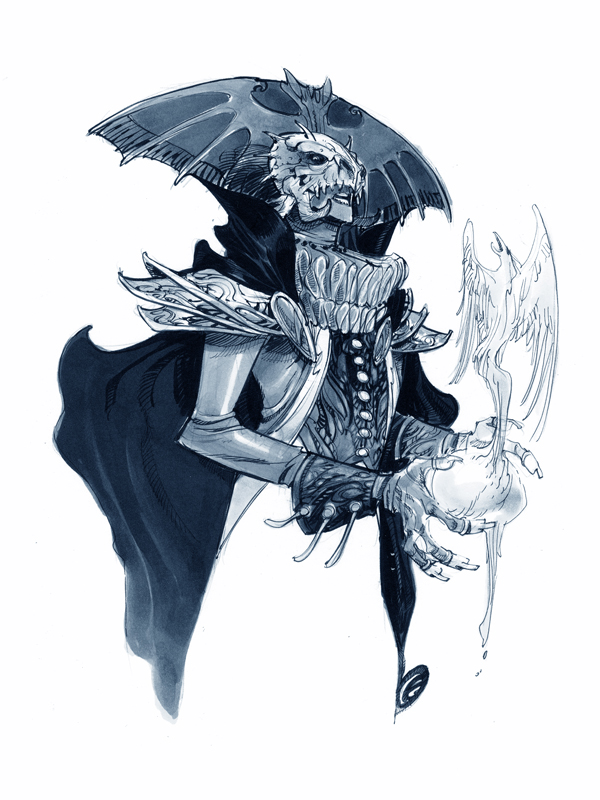
Three Dinosaurs For Your Primeval World …

I was working up some quick dinosaur stats for the Hex Crawl Chronicle I’m writing, and figured – heck – why not throw them onto the blog. Stats for Blood & Treasure and Swords & Wizardry. No stats for Labyrinth Lordit knows what it did 😉

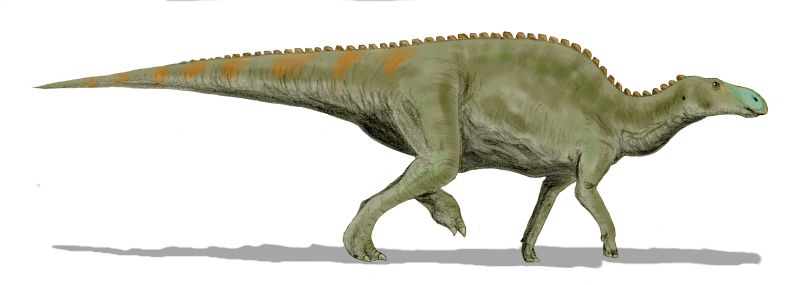
EDMONTOSAURUS

Edmontosaurus is a large, duck-billed dinosaur. Edmontosaurus grew as long as 40 feet and weighed 4.4 tons. Their hides were thin and resembled that of the gila monster. Like most hadrosaurs, they were herbivores, browsing on vegetation by the water’s edge. Edmontosaurus can trample smaller creatures by moving over them, inflicting 3d6 points of damage.

Edmontosaurus: Huge Animal; HD 14; AC 13; ATK 1 bite (2d6) and 1 tail (3d6); MV 40; F3 R6 W12; XP 700; AL Neutral; Special: Trample.

Edmontosaurus: HD 14; AC 6 [13]; Atk 1 bite (2d6) and 1 tail (3d6); Move 15; Save 3; CL/XP 14/2600; Special: Trample.

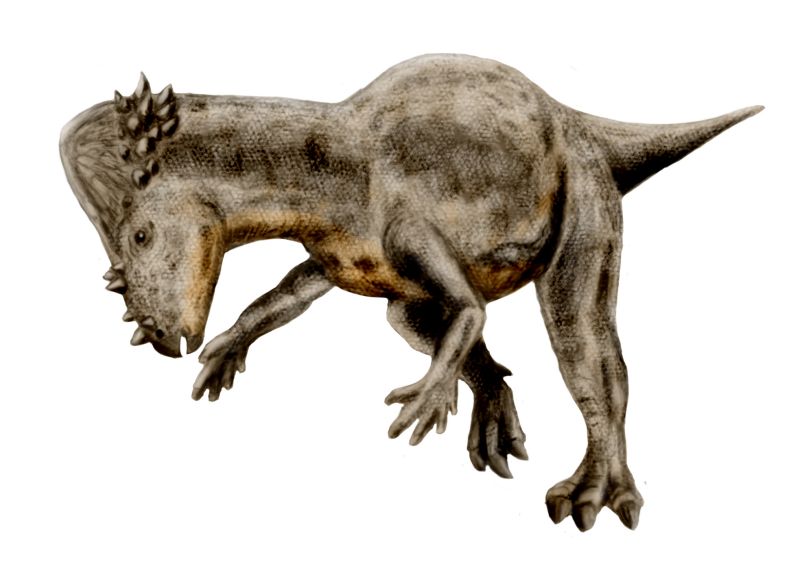
PACHYCEPHALOSAURUS

Pachycephalosaurus doesn’t just have an awesome name – it also has one of the great domes in dinosaur history. These herbivores grew to 15 feet long and weighed 990 pounds, though they only stood about 6 feet tall. They can butt with their heads.

Pachycephalosaurus: Huge Animal; HD 6; AC 12; ATK 1 head butt (2d6) and 1 tail (1d8); MV 30; F7 R10 W15; XP 300; AL Neutral; Special: None.

Pachycephalosaurus: HD 6; AC 7 [12]; Atk 1 head butt (2d6) and 1 tail (1d8); Move 12; Save 11; CL/XP 6/400; Special: None.

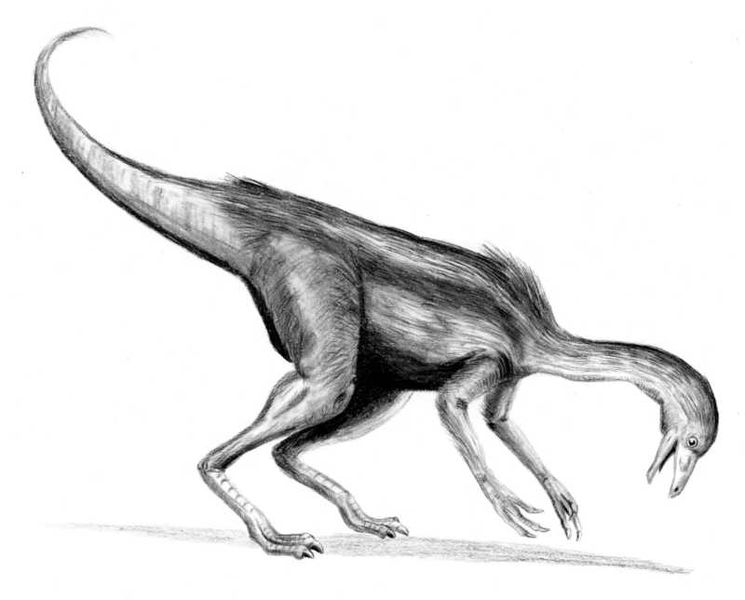
ORNITHOMIMUS

These small dinosaurs had toothless beaks and might have fed on seeds, leaves, insects and other small animals. They grew to 12 feet in length and weighed about 370 pounds. Ornithomimus was quick animal, probably similar to a modern ostrich.

Ornithomimus: Large Animal; HD 3; AC 12; ATK 1 bite (1d6); MV 18; F11 R12 W17; XP 150; AL Neutral; Special: None.

Ornithomimus: HD 3; AC 7 [12]; Atk 1 bite (1d6); Move 18; Save 14; CL/XP 3/60; Special: None.

Personal Quests – The Test of Faith


The test of faith is a personal quest designed for lawful characters (or good characters, whichever version of alignment you use in your game). I’m sure somebody out there can modify it for other alignments, but for now I’m sticking with the good guys.

Step One: The lawful character challenges his deity or faith to test him. Test him down to the marrow in his bones to see if he is truly worthy. The petitioner must wager wisdom points (a minimum of 4) on this personal quest. Each point of wisdom wagered translates into either one month, or one game session, of the test (referee’s choice). During these months, normal XP acquisition is suspended for the character.

In place of normal XP acquisition, the petitioner earns XP for lawful/good acts. We’re talking acts of sacrifice, generosity, caring, love (not lust), etc. The XP value is based on the object of this lawful act, with clerics and paladins (and perhaps rangers, depending on the rules you use) earning double the XP because the stakes of this test are much higher for them.

Close friend or family = 50 XP x level

Associate = 100 XP x level

Stranger = 200 XP x level

Stranger, helpless = 300 XP x level

If the lawful act directly benefits the petitioner, cut the XP in half.

Step Two: The test involved here essentially works like a curse (and one than cannot be magically alleviated, since the petitioner entered into the test on their own volition). Every time the petitioner performs a lawful/good act, they are beset by a misfortune.

During the first month/session of the test, these misfortune’s are fairly minor annoyances – food going bad, a piece of equipment is lost or damaged, they trip over something and make a fool out of themselves. You get the idea. All of these misfortunes affect the petitioner.

During the second month/session of the test, the misfortunes are magnified and more mechanical – penalties to saving throws or attack rolls, weapons or armor breaking in the middle of a fight, etc.

During the third month/session of the test, the misfortunes begin to affect the petitioner’s allies (i.e. party members, henchmen, hirelings). The misfortune’s might be as above, or might be things like surprise diseases or house fires. Each time such a thing occurs, there is, obviously, a good chance an NPC becomes hostile to the petitioner and abandons them. The actions of party members are up to the players, of course.

During the fourth and subsequent months/sessions of the test, the misfortunes begin plaguing random strangers (could be a child, could be a powerful king) in the city or kingdom or region the petitioner is adventuring or living in. Word of the petitioner’s test will have spread, of course, so it is likely that the victim of this misfortune will know who to blame. It’s also very possible that every misfortune will be blamed on the adventurer. Needless to say, these are going to be rough times.

Fortunately, there is a way out …

Step Three: To stop the misfortunes, the petitioner need only renounce his or her god/goddess/faith, publicly and loudly. The adventurer’s alignment is changed to neutral, and all benefits from the lawful alignment are lost (i.e. clerics lose all spellcasting ability, turn undead, paladins become normal fighting-men, etc. – it’s up to the referee if the petitioner can atone to regain his alignment and abilities) The petitioner loses the wagered wisdom points (they have lost their faith), and these cannot be restored by any means.

If, on the other hand, the petitioner survives this test of faith, they receive half as many wisdom points as they wagered as a permanent boost to their wisdom (max. 18) and begin attracting 1d6 zealous followers to their flock each time they advance one level. These followers are in addition to normal retainers allowed by charisma and in addition to followers gained when one builds a stronghold. The adventurer is now known far and wide for his faith, but he might also be despised for the trouble he has caused and have to work diligently to make things right.

Monday – the Test of Intelligence

Personal Quests in Fantasy RPGs

D&D and its many clones is an excellent rule set for exploring dank dungeons and recovering great treasures. Not surprisingly, many folks, inspired by fantasy literature of all stripes, want something more than this. Of course, the old rules don’t explicitly support other styles of play, but they don’t discourage it either – most simply require more interaction between the Referee and players outside the rules, or perhaps a tweaking of the rules (i.e. use find secret doors rules to find clues, such as the blood stains on the hem of the countess’s dress – perhaps she killed the archduke!)

That being said, I think what some players, especially players who approach the game as less of a game and more of a mutual imagination society, want is character development. John Carter wasn’t just a guy running around killing martians – he was driven by his love for Dejah Thoris. Emotional goals can be difficult to model in a game that is driven by the primary reward of experience points, which are typically earned by slaying monsters and finding treasure. For some, the answer is “story awards”, which work well with a group of very like-minded players, but story awards can be off-putting to folks who just want to play the core game concept (i.e. “I don’t want to explore Rogar’s childhood, I want to see what’s beyond that glowing portal – I’m only 10,000 gp away from a down payment on my castle!)

The following ideas attempt to reconcile these disparate play styles, creating an environment where players who want to develop their character’s fantasy lives a bit more can do so without requiring solo play or forcing them to either forgo earning XP along with the others, or giving them bonus XP that will make the others a bit jealous. The system is just a thumbnail, really, and it is completely untested. Think of it as a notion and set of guidelines more than a fully realized set of rules.

Personal Quests
Personal quests are designed to test a character emotionally. In essence, it shifts their play rewards, for a time, from the traditional means of gaining XP to an alternative method of gaining XP. These personal quests are meant to work alongside normal play, though they will, of course, disrupt it to some extent – the player who wants to send his character on a personal quest should first discuss it with the other players, and of course, with the Referee, and get their buy in.

The basic structure of a personal quest is as follows:

Character declares he is undertaking a personal quest

Player wagers some ability score points on the success of his quest

While on the quest, the character earns no XP for normal adventuring, but rather earns XP for accomplishing the quest

Failure means a loss of ability score points and XP

There are three types of Personal Quests (though I’m sure others could devise other quests): Quests of the Heart, Tests of Faith and Quests of the Mind.

Quests of the Heart
Quests of the heart involve romance. Since I’m a heterosexual man, I’m going to describe these quests in terms of men pledging themselves to women; your mileage may vary, and I think the rules of love are applicable to women pledging themselves to men, men pledging themselves to men and women pledging themselves to women, perhaps with some tweaking.

A quest of the heart involves a man becoming cognizant of the most desirable woman in the city/kingdom/world, etc. He decides that he loves her, and more importantly decides that he must make her love him.

Step Zero: The Referee must create a desirable woman as an NPC. She should be beautiful, physically, mentally and spiritually – we’re talking Cyrano and Roxanne here, not the playmate of the month (though I don’t know any playmates personally, so I really shouldn’t comment on their mental and spiritual beauty).

Step One: The man must introduce himself to the woman. Of course, there are any number of ways to do this, depending on the woman’s station in life. This shouldn’t be entirely easy, and while it may be a quick solo move by the character, it could also involve him getting help from his friends or from friendly NPCs. This can be as debonair or devil-may-care as the player wants, but on some level it should be romantic.

Once the man has made his introduction, he must declare (perhaps before witnesses, perhaps before the woman alone) that he loves her and will earn her love in return within the span of one year and one day. The woman will regard this proposal somewhat coolly – after all, if she melts into his arms now, there isn’t much point to the quest, and a woman worth having should be hard to get – but will show at least some interest. In return, she will place her hands on his cheeks and whisper to him a geas (per the spell) that will govern his actions during his quest. The geas can be as whimsical or cruel as the Referee thinks is appropriate for the woman he has created.

Step Two: If the woman is the most desirable woman in a village or market town, she must have a charisma of at least 16, and the man who loves her must wager at least 4 points of charisma in his quest to win her love. If the woman is the most desirable woman in a great city, she must have a charisma of at least 17, and the man who loves her must wager at least 6 points of charisma on his quest. If the woman is the most desirable in the kingdom or region, she must have a charisma of 18 and her suitor must wager 8 points of charisma. If she is the most desirable woman on a continent, she must have a charisma of 19 (yes, beyond the human norm) and her suitor must wager 10 points of charisma on his quest. If she is truly the most desirable woman in the world, she must have a charisma of 20 and her suitor must wager 12 points of charisma on his quest. A suitor cannot wager so much charisma that failure would bring his score below 3. The desirable woman, of course, should also have above average scores in wisdom and intelligence, and might have other high scores as well.

The potential loss of charisma points represents the suitor’s broken heart. Failing to gain the love of his love, life becomes a dark, dreary, pointless place, and he finds it difficult to carry on around others. Life loses its luster and flavor. Ability score points lost on a personal quest cannot be restored – not even with wishes. The player chose to risk them, and there should be no avenue to mitigate this risk.

Step Three: While on his personal quest, the suitor earns no experience points from normal adventuring (i.e. monsters and treasure). He does, however, earn XP for completing his quest, as follows:

Most desirable in village/town – 5,000 XP

Most desirable in city – 10,000 XP

Most desirable in kingdom – 25,000 XP

Most desirable on continent – 50,000 XP

Most desirable in world – 100,000 XP

Adjust these values as you like.

Step Four: The quest is completed when the suitor earns from the woman he loves a kiss of true love (see The Princess Bride if you’re fuzzy on this concept). At least some of this quest involves acting on the part of the player and referee – if this makes either uncomfortable, then a personal quest of this kind is not going to work. Of course, since this is a game, there are also some measurable aspects to the quest – this is heroic fantasy, of course.

The suitor must complete at least three tasks/sacrifices to win his lady’s love:

One of these tasks is the giving of a wondrous gift. Wondrous does not necessarily mean valuable, though if it does, the value should be no less than a fifth of the XP value of the quest in gold pieces (thus 20,000 gp for the most desirable woman in the world). If a gift holds a deep meaning, it need not carry any monetary value at all.

Another task is a test of wits. The player must write a love sonnet (no copying!). The sonnet must be delivered, in character, at the gaming table and must be judged by those assembled. Hey – love hurts, folks, and we aren’t talking hit point damage here.

The final test is one of the body – risking death for the hand of your beloved. This, of course, sis more in line with traditional D&D, save your risking it all for a woman’s heart than a box of coins. The final test must be meaningful to the woman – rescuing her father, who was lost at sea, finding her long lost brother, who might be a bandit in the hills, recovering her family’s magic sword from a dragon’s horde, restoring her mother to her rightful place as queen, venturing into the underworld to bring his love back after she was poisoned by a jealous rival. The difficulty of the quest should be commensurate with the level of the character’s involved – a 12th level lord shouldn’t get off easy just because he’s “only” trying to woo the most desirable woman in his manorial village.

If these tasks have been completed successfully (with the help of the others in the party, of course, but the key player must always try to take the lead) and the role playing has been good, the player may return to his love and again pledge himself to her on bended knee. If she kisses him, he is hers and she is his and true love triumphs. The successful suitor earns the XP, increases his charisma by half as much as he risked (max score of 18), and the character now has a very concrete connection to the game world. If he should ever lose his love, he loses those charisma points earned and wagered and loses the XP earned on the quest – once John Carter wins Dejah Thoris’ heart, he is forever bound to her, after all.

Tomorrow … The Test of Faith