It Had to Happen: Random Classes

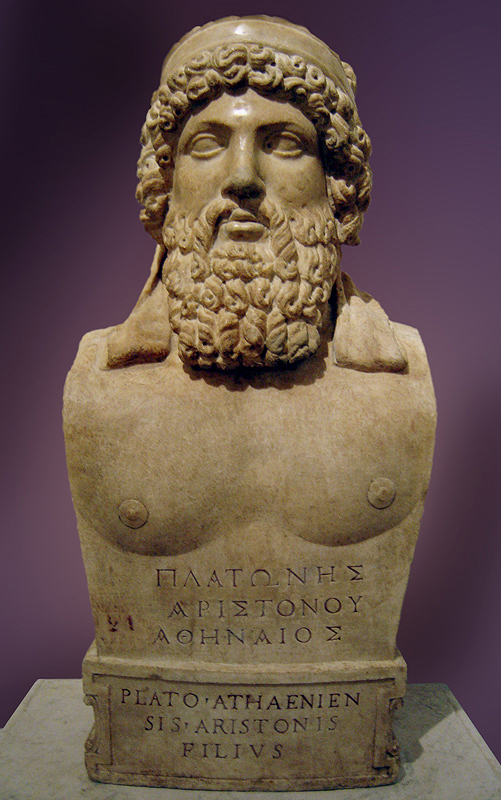
Image found here

How could a game built on a foundation of platonic solids not have random classes? It’s inconceivable (and yes, the word does mean what I think it means).

Now, a completely random class is, on the face of it stupid. I know this. But, let’s think about this. Some people set out in life with a goal, and they stick to it and eventually become what they set out to become. A young Merlin (well, old Merlin I guess – it’s confusing with that guy) decides he wants to be a magic-user, he works hard, gets a few lucky breaks, and eventually makes it to 1st level and heads off into a dungeon.

But some folks play it by ear. They don’t know where their going, and on their way to 1st level, maybe they pick up a wide array of skills. You know, somebody like … Conan the Freaking Barbarian. How many jobs did that kid have? Started out a barbarian in Cimmeria, became a thief, then later a pirate, etc. Guy was all over the place. Thus – random classes.

Here’s the way it works. First roll puts you into a broad category of fighting skills and saving throws – warrior, mage or rogue. This role impacts your additional rolls, which will determine what weapons and armor you can use, and what special abilities and/or skills you managed to pick up. Some of those special skills introduce ability score requirements. If you don’t have a high enough ability score, you have to roll again.

One note: These tables assume you’re using Blood & Treasure. You can probably adapt them to your favorite system.

On to the random nonsense …

ROLL ONE – KNOW YOUR ROLE

Roll D6

1-2. Warrior – advances as Fighter

3-4. Rogue – advances as Thief; rogues add +15% to all future percentile rolls.

5-6. Scholar – advances as Magic-User; scholars add +30% to all future percentile rolls.

ROLL TWO – GIRD YOUR LOINS

Roll D%

ARMOR PERMITTED
01-5. All
6-10. Platemail, banded mail, splint mail, breastplate, chainmail, scale mail, chainmail shirt, studded leather, ring mail, leather armor, padded armor
11-20. Banded mail, splint mail, breastplate, chainmail, scale mail, chainmail shirt, studded leather, ring mail, leather armor, padded armor
21-30. Splint mail, breastplate, chainmail, scale mail, chainmail shirt, studded leather, ring mail, leather armor, padded armor
31-40. Breastplate, chainmail, scale mail, chainmail shirt, studded leather, ring mail, leather armor, padded armor
41-50. Chainmail, scale mail, chainmail shirt, studded leather, ring mail, leather armor, padded armor
51-60. Scale mail, chainmail shirt, studded leather, ring mail, leather armor, padded armor
61-70. Chainmail shirt, studded leather, ring mail, leather armor, padded armor
71-80. Studded leather, ring mail, leather armor, padded armor
81-90. Ring mail, leather armor, padded armor
91-100. Leather armor, padded armor
101-115. Padded armor
116-130. No armor permitted

SHIELD PERMITTED
01-30. All shields
31-50. Shield and buckler
51-80. Buckler
81-130. No shields

ROLL THREE – GRAB A POINTY STICK

Roll D%

01-30. All weapons, melee and ranged
31-80. Medium and light melee weapons, light crossbows, short bows and thrown ranged weapons
81-130. Light melee weapons, light crossbows, short bows and thrown ranged weapons

ROLL FOUR + – GET SPECIAL!

Characters are permitted 1d3+2 rolls on the special abilities table. Abilities that are “as” a character class use the rules for that class’s ability and gain that ability or enhancements to that ability at the same levels as that class does.

Roll D%

1. Smite Chaos (Lawful, Wis 13+)
2. Favored enemy as ranger (Wis 13+)
3. Whirling Frenzy (Dex 13+)
4. Rage as barbarian (Con 13+)
5. Sixth sense as barbarian
6. Weapon specialization as duelist, though you may choose any weapon
7. Add Intelligence bonus to AC (Dex 13+)
8. Spring into combat as duelist (Dex 13+)
9. Riposte as duelist (Dex 13+)
10. Roll with lethal blow as duelist (Dex 13+)
11. Dominate foes as fighter
12. Multiple attacks as fighter
13. Steadfast as defender [fighter variant] (Con 9+)
14. Alertness feat as a class ability
15. Bull Rush feat as a class ability
16. Cleave feat as a class ability
17. Disarm feat as a class ability
18. Dodge feat as a class ability
19. Expertise feat as a class ability
20. Grapple feat as a class ability
21. Great Fortitude feat as a class ability
22. Iron Will feat as a class ability
23. Lightning Reflexes feat as a class ability
24. Power attack feat as a class ability
25. Sunder feat as a class ability
26. Two Weapon Defense feat as a class ability
27. Two Weapon Fighting feat as a class ability
28. Weapon Finesse feat as a class ability
29. Bend Bars as class skill
30. Break Down Doors as class skill
31. Find Secret Doors as class skill
32. Jump as class skill
33. Riding as class skill
34. Survival as class skill
35. Tracking as class skill
36. Swimming as class skill
37. Trickery as class skill
38. Balance as class skill
39. Climb Sheer Surfaces as class skill
40. Escape Bonds as class skill
41. Find Traps as class skill
42. Hide in Shadows as class skill
43. Listen at Doors as class skill
44. Move Silently as class skill
45. Open Locks as class skill
46. Pick Pockets as class skill
47. Remove Traps as class skill
48. Decipher Codes as class skill
49. Legend Lore as bard (Int or Cha 13+)
50. Haggle as a venturer (Cha 13+)
51. Add +1 to reaction rolls (Cha 13+)
52. Get 15 gp per point of Charisma at character creation instead of 10 gp per point of Charisma (Cha 13+)
53. Backstab as thief
54. Use poison as assassin
55. Concoct explosives as anarchist (Int 13+)
56. Paralyze foes as assassin (Dex 13+)
57. Improve AC as monk (Dex 13+)
58. Increased attacks as monk (Dex 13+)
59. Increased unarmed damage as monk (Wis 13+)
60. Increased speed as monk (Con 13+)
61. Deflect arrows as monk (Dex 13+)
62. Damage creatures only harmed by magic as monk (Wis 13+)
63. Slow fall as monk (Dex 13+)
64. Immune to disease (Con 13+)
65. Feign death as monk (Wis 13+)
66. Heal own wounds as monk (Con 13+)
67. Immune to poison (Con 13+)
68. Quivering palm attack as monk (Con 13+, Dex 13+, Wis 13+)
69. Speak with all creatures (Wis 13+)
70. Fascinate as bard (Cha 11+)
71. Suggestion as bard (Cha 13+)
72. Break enchantment as bard (Cha 13+)
73. Detect evil at will as paladin (Wis 13+)
74. Lay on hands as paladin (Wis 13+)
75. Immune to fear (Cha 13+)
76. Summon warhorse as paladin (Cha 13+)
77. Cure disease as paladin (Wis 13+)
78. Resistance to acid (Con 13+)
79. Resistance to cold (Con 13+)
80. Resistance to electricity (Con 13+)
81. Resistance to fire (Con 13+)
82. Resistance to sonic and +2 vs. song-based abilities (Con 11+)
83. Vampire slayer – +2 save vs. undead abilities
84. Dragon slayer – +2 save vs. dragon abilities
85. Turn or rebuke undead as cleric (Lawful or Chaotic, Wis 9+)
86. Turn elementals (Wis 9+)
87. Turn oozes (Wis 9+)
88. Turn dragons (Wis 9+)
89. Rebuke animals (Cha 13+)
90. Move through undergrowth as druid or ranger (Wis 13+)
91. Leave no trail as druid (Wis 13+)
92. +2 save vs. all energy attacks (Con 9+)
93. Change shape as druid (Con 13+, Wis 13+)
94. Protection from evil effect as paladin (Lawful, Wis 13+)
95. Darkvision to a range of 60 feet
96. Gain a psychic power as a psychic (player’s choice)
97. Cast a single 0-level spell 1/day (roll list and actual spell randomly)
98. Cast a single 0-level spell 3/day (roll list and actual spell randomly)
99. Cast a single 1st level spell 1/day (roll list and actual spell randomly)
100. Cast a single 1st level spell 3/day (roll list and actual spell randomly)
101-120. Cast spells, up to level 3*
121-125. Cast spells, up to level 6*
126. Cast spells, up to level 9*
127-129. Cast spells as sorcerer
130. Roll twice on this table, ignoring this roll

* The first time you gain spellcasting abilities, roll randomly to decide which list you use. If you gain the ability to cast higher level spells, use the same list.

1. Assassin (only up to 3rd level)
2-3. Bard (only up to 6th level)
4-9. Cleric
10-12. Druid
13-18. Magic-User
19. Paladin (only up to 3rd level)
20. Ranger (only up to 3rd level)

And there you have it. It could be a fun way to roll up NPC’s – though the short hand of the existing classes is pretty convenient, or a way to throw together a really interesting party for a one night delve into a classic dungeon. Just remember to roll your dice responsibly.

JMS

A Weapon Damage System … Cause Everything Needs a System!

A system? For something as simple as weapon damage? Why?

Blog posts, baby. I need constant validation from you, the reader, and to get it, I have to make stuff up almost every day.

Seriously, though, when I’m writing bits and pieces for games or adventures and come across a weapon that doesn’t show up in Blood & Treasure or Swords & Wizardry, I have to eyeball it. What’s the weapon like – is it deadlier? Less deadly? Etc. This system works well enough – I’m never one to get hung up on the details when it comes to slaying dragons, but I have thought about doing something a bit more rational.

Weapon Damage

To start with, we need the most basic weapon known to man … the fist. Depending on your system, a human fist usually does 1d2 or 1d3 points of damage. For our purposes, we’re going to go with 1d2.

We’re then going to rate each weapon on its physical characteristics, giving a weapon points based on these characteristics. Each point increases the damage of the weapon by one step. The damage steps are as follows:

Points / Damage
0 / 1d2
1 / 1d3
2 / 1d4
3 / 1d4+1
4 / 1d6
5 / 1d8 / 2d4
7 / 1d10
8 / 1d12 / 2d6

That’s probably enough steps for our purposes.

Let’s now take on the physical characteristics of our weapons. The characteristics we’re interested in are those that make the weapon deadlier, since weapon damage really represents the chances that any given blow will result in a foe’s death.

We’ll start with what the material of which the weapon is made. For a weapon with a metal head and a wooden haft, we’ll count the weapon as being made of metal.

Flesh and bone or leather = 0 points
Wood / stone = 1 point
Metal = 2 points

Second, we’ll think about the weapon’s length. The longer the weapon, the more likely it is to land the killing blow.

0 to 1 foot = 0 points
1 to 2 feet = 1 point
2 to 3 feet = 2 points
3 to 5 feet = 3 points
5+ feet = 4 points

Finally, we’ll take into consideration a few miscellaneous characteristics:

Weapon is edged from tip to pommel (i.e. a blade) = 1 point
Weapon has more than one attack vector* = 1 point
Weapon launched by a short bow = 1 point
Weapon launched by a longbow or crossbow = 2 points
Weapon is especially thin or light = -1 point

* By attack vector, I mean a weapon that can be used as a piercing and slashing/chopping weapon, or maybe bludgeoning and piercing. Now, one can argue that a spear, for example, could be a bludgeoning weapon because one could strike with the haft or butt, but all we’re really interested in is the ways the weapon is intended to be used.

Now, some weapons are capable of special forms of attack. For each special form of attack, you can either deduct points from the damage, or ignore this step and reward the weapon for being well designed.

Can be set against a charge = -1 pointCan be used as a shield = -1 point
Can be used as a shield and weapon simultaneously = -2 points
Can be used to disarm, entangle or trip (i.e. hooked, or chains and whips) = -1 point

One reason to do the deduction is that it might stop players from arguing that the weapon their character wields has every special ability they can think of. If they want a spear that can be set against a charge, be used as a shield and weapon simultaneously and be used to trip people, agree and reduce the its damage by 4 levels.

Samples

So, let’s see how some basic weapons come out with this system. Note – I wasn’t trying to create a system to duplicate a particular game system, so don’t be surprised when they don’t.

Clubs are wooden weapons (1 point) that are about 2 feet long (1 point). That’s 2 points, which comes out to 1d4 points of damage.

Daggers are metal weapons (2 points) that are about 1 foot long (0 points) and are edged from tip to pommel (1 point). One could argue that they can be used as slashing and piercing weapons (1 point), which would give them 1d6 points of damage. If the dagger is only good for piercing, it would do 1d4+1 points of damage.

From the dagger, we can extrapolate with the other basic swords. If a dagger does 1d6 points of damage, short swords do 1d8, long swords 1d10 and greatswords 1d12.

Spears are metal weapons, at least the head is (2 points) and are about 5 to 6 feet long (4 points). Since they can be set against a charge, they lose a point, giving them 4 points and 1d8 points of damage.

A halberd is similar to a spear, but has two attack vectors (piercing and chopping), and so does 1d10 points of damage.

A rapier is a light longsword, and so would do 1d8 points of damage. If a player decides it can be used as a shield and weapon at the same time, it does 1d6 points of damage.

A flail is tougher. If it has metal heads (2 points) and is about 3 feet long from the tip of the haft, through the chain to the tip of the head (s) (2 points), then it does 1d6. If you decide it can be used to entangle, drop the damage to 1d4+1. If it is longer, increase the damage a step. If the flail has multiple heads, you might want to bump the damage one level higher.

A metal gauntlet gets 2 points, and thus does 1d4 points of damage.

A whip is made of leather (0 points). A short whip (like a riding crop) would maybe add a point and thus do 1d3 points of damage. A bullwhip might be very long (4 points) and thus do 1d6 points of damage. Since it can entangle and trip, you can knock the damage back to 1d4+1.

An arrow has a metal head (2 points) and is about 3 feet long (2 points) and is fired from a short bow (1 point), and so does 1d8 points of damage. If fired from a longbow or crossbow, it does 1d10 points of damage. If it had a stone point, reduce the damage by one level.

Fear the Forms!

I was perusing the Art of Manliness blog a few days ago (I highly recommend it), and they had a post about Plato’s Parable of the Chariot. I’ll let you do the reading yourself.

Being an RPG guy, my mind is constantly scanning for things to adapt. While reading that article, I was struck with the concept of the forms – Truth, Beauty, etc. Now, I suppose the forms would make great deities for a game, but how often do you get to play with deities in a game? I figured they might make great monsters.

The basic idea is a monster that personifies some concept, physical or mental, to a perfect degree. Today, I’m going to do two forms based on ability scores, Strength and Intelligence.

STRENGTH
Medium Outsider, Neutral (N), Average Intelligence; Feat (1d4)

HD 7
AC 18 [+1]
ATK 2 slams (2d6 + bull rush)
MV 30
SV F10 R10 W10
XP 1,750 (CL 9)

Forms of strength look like perfect humanoid physical specimens, with perfect musculature, though lacking heads. How they see, hear, scent, etc. is unknown. They speak in a booming voice that is simply emitted from their bodies.

Targets struck by a form of strength must pass a Fortitude saving throw, modified by their strength modifier, or be knocked-back as though hit with a bull rush attack. They are capable of stomping (per the spell stomp) up to 3 times per day.

Forms of strength are capable of leaping up to 30 feet backwards, forwards, up or down (without falling damage). Likewise they are skilled at jumping, breaking down doors and bending bars. They have an effective strength score of 25.

Once per day, a form of strength can cause a creature it has struck to begin adhering to its conception of perfection. Each round, it gains 1 point of strength and loses one point of each of its mental ability scores. When the victim’s mental ability scores are reduced to 6, they themselves become forms of strength; this state can only be reversed by a wish spell.

Special: Weapon resistance to bludgeoning weapons

INTELLIGENCE
Medium Outsider, Neutral (N), Super Intelligence; Feat (1d4)

HD 5
AC 18 [+1]
ATK 1 incorporeal touch (1d6 + stun 1 round)
MV 30 (Fly 60)
SV F11 R10 W8
XP 1,250 (CL 7)

Forms of intelligence are ephemeral, incorporeal beings. They have over-large heads with smooth pates; these heads are transparent, revealing the massive brains beneath, that spark with their unceasing pondering. Their thin, wispy bodies suggest atrophy. They generally float above the ground and usually move by flying. Forms of intelligence communicate telepathically, to a range of 200 feet or with other forms of intelligence up to any range.

A form of intelligence’s touch attack ignores armor (except for magical armor) and forces those who suffer damage to pass a Will save or be stunned for 1d4 rounds.

The incredible intelligence of a form of intelligence allows it to work out the possible and likely movements of their foes to several rounds, and as such gives them the effective protection of a displacement spell (without they actually be displaced as the spell describes). They are capable, three times per day, of reciting such mind-numbing conundrums and theories that those within 10 feet must pass a Will save or be struck with confusion (per the spell) for a number of rounds equal to 5 minus their intelligence modifier.

Once per day, a form of intelligence can cause a creature it has struck to begin adhering to its conception of perfection. Each round, it gains 1 point of intelligence and loses one point of each of its physical ability scores. When the victim’s physical ability scores are reduced to 6, they themselves become forms of intelligence; this state can only be reversed by a wish spell.

Spells: At will – detect thoughts (ESP); 1/day – ego whip, id insinuation, mind blank

Special: Incorporeal

Action X – Still Ruminating on Classes

In a nutshell – With Action X, I’m trying to do with the Modern SRD what Blood & Treasure did with the fantasy SRD. The challenge – the SRD has a lot of history behind it – many editions of D&D with all the wonderful nonsense that goes along with it. The Modern SRD does not and, even worse, it’s just so damn boring and mechanical. Worse yet – it keeps making my writing boring and mechanical.

So – I bring an appeal to all of the geniuses that read this blog – what are the modern archetypes you’d like to see in a fun role-playing game not set in a fantasy milieu. By “modern”, I pretty much mean from Victorian times to today (or beyond into the near hard sci-fi future or even pulp sci-fi future).

I started with numerous classes, then boiled them way down and now I’m left feeling uninspired by them. Now I’m beginning to turn back to my original idea of a dozen classes that really hit the archetypes of modern action/adventure. I can’t hit every archetype of course, and new classes can always be added, but I’d like to get a strong core of fun classes that will spark people’s imaginations.

Some ideas (some of which are advanced classes in the Modern SRD, but which will need some TLC to make them anything more than collections of dry, boring bonuses to dice rolls) and some ideas for inspiration:

Brute (Mr. T) – hate the name; love Amazon, but that only applies to the ladies

Daredevil (Clyde Beatty, Howling Mad Murdock, Allan Quatermain)

Detective (Sherlock Holmes, Philip Marlowe, Jim Rockford, Thomas Magnum)

Gangster (Bonny & Clyde, Tony Montana)

Gunslinger (Lone Ranger, anyone from a John Woo flick)

Hacker (they abound in the news these days)

Martial Artist (Bruce Lee) – the name is so boring, though, but ninja and kung-fu master are too specific

Psion (Prof. X)

Scientist (Professor from Giligan’s Island, Spock) – maybe Brainiac would be a better name

Soldier (Sgt. Rock, Captain America, Hannibal Smith)

Sorcerer (Willow, Dr. Strange)

Spy (James Bond, Mata Hari)

I’ve thought about throwing in some odd balls as well – Cyborg, Mutant, Vampire – stuff like that. Almost a “race as class” concept for modern gaming.

So – any additional ideas out there? Let me know in the comments. Dangit – I want to make a fun modern RPG!

My Corner

Thought I’d share a picture of a corner of my study (no, I don’t have a man-cave – I’m sick of this trend of making men appear foolish or primitive to boost the fragile egos of modern women – come on ladies, I’d like to think you’re better than that).

I don’t know if it’s geeky enough (and I don’t care – I’ve never been one for sub-cultures), but it’s where I keep my role-playing game nonsense and a few comic book and comic strip collections I enjoy, as well as my grandfather’s chair, a map of the heraldry of Scotland (Scottish, English and Welsh on my mother’s side, German and English on my father’s), a few prints from Jeff Dee’s kickstarters (Morgan Ironwolf became the source of a husband-wife grudge match not seen since the Old Man got his major award), a globe I got for Christmas when I was a wee lad, a coonskin cap from Disneyland and an old sailing ship that used to grace the old Curtis Mathis in my childhood home.

I guess the funny thing is, I rarely work or write in my study these days, preferring to use my laptop out in the family room with, you guessed it, the family. My study is now primarily where I exercise – the treadmill is just to right of the lamp, and I have a pair of dumbbells and a kettle bell just out of sight by the chair.

Okay – back to work. I have quarterly reports to concoct, an issue of NOD to complete and a NOD Companion to work on.

Prepared Spells Without the Preparation

Demonologist by Jon Kaufman, for the NOD Companion

I just had an idea – probably not a new one – and I thought it would be worth a mention.

When I’m writing NOD or Hexcrawls, I usually do not write down the prepared spells for the various spellcasters. There are a few reasons for this, but the top two are (1) it often takes up too much room and (2) it makes some people who run games feel locked in with those spells. Tonight, while writing character stat blocks for the Virgin Woode (progress continues a bit more slowly than I’d like), a notion occurred to me for allowing on-the-fly spell preparation for game masters.

The basic idea is this: The GM picks a spell they want the caster to have. They roll 1d20. If they roll under the caster’s Intelligence score (you can substitute Wisdom for clerics and druids, if you prefer), then it means the caster had the wherewithal to prepare that particular spell for that particular day. Easy as pie.

So – I have a 4th level NPC magic-user with a 14 intelligence. He gets into a scuffle with the player characters and I decide I want him to cast magic missile. I roll the d20, get a 13, and that means he prepared magic missile that day. If he wants to cast it again, I need to roll again to see if he was smart enough to prepare it twice.

Now – you might be saying, “Yes, but what if I have an evil cleric NPC and it turns out she didn’t prepare a basic spell like cure light wounds or inflict light wounds. That’s stupid.”

To get around this, it probably makes sense to scribble down a few spells, especially low level spells, that we don’t have to roll for to check, at least for clerics and druids, who have all the spells at their disposal. For magic-user, it’s arguable that the only spell they certainly have in the spellbooks is read magic.

So – 3 basic spells (using spells from Blood & Treasure – your system may vary) of each of the low levels that we can assume a cleric and druid and magic-user would have prepared:

Cleric (Lawful)
1st level – bless, cure light wounds, protection from evil
2nd level – cure moderate wounds, hold person, silence
3rd level – cure serious wounds, dispel magic, prayer

Cleric (Chaotic)
1st level – cause fear, inflict light wounds, protection from good
2nd level – inflict moderate wounds, hold person, silence
3rd level – animate dead, blindness, dispel magic

Druid
1st level – cure light wounds, entangle, produce flame
2nd level – barkskin, delay poison, resist energy
3rd level – dominate animal, poison, wind wall

Magic-User
1st level – detect magic, read magic, sleep
2nd level – detect thoughts, levitate, web
3rd level – dispel magic, fly, suggestion

Of course, if you don’t want to go through this exercise, it’s always acceptable for the GM to simply decide, on the fly, that the cleric has cure light wounds prepared, and I’m not going to bother rolling for it.

Heroes in Fantasy RPG’s

We’ve given a boost to the underdogs and everymen – ways to make them more interesting and add a little more to the game. What about heroes – those lucky bastards with high ability scores (i.e. everyone in the game by the time we get to AD&D 2nd edition). Why should they get anything good?

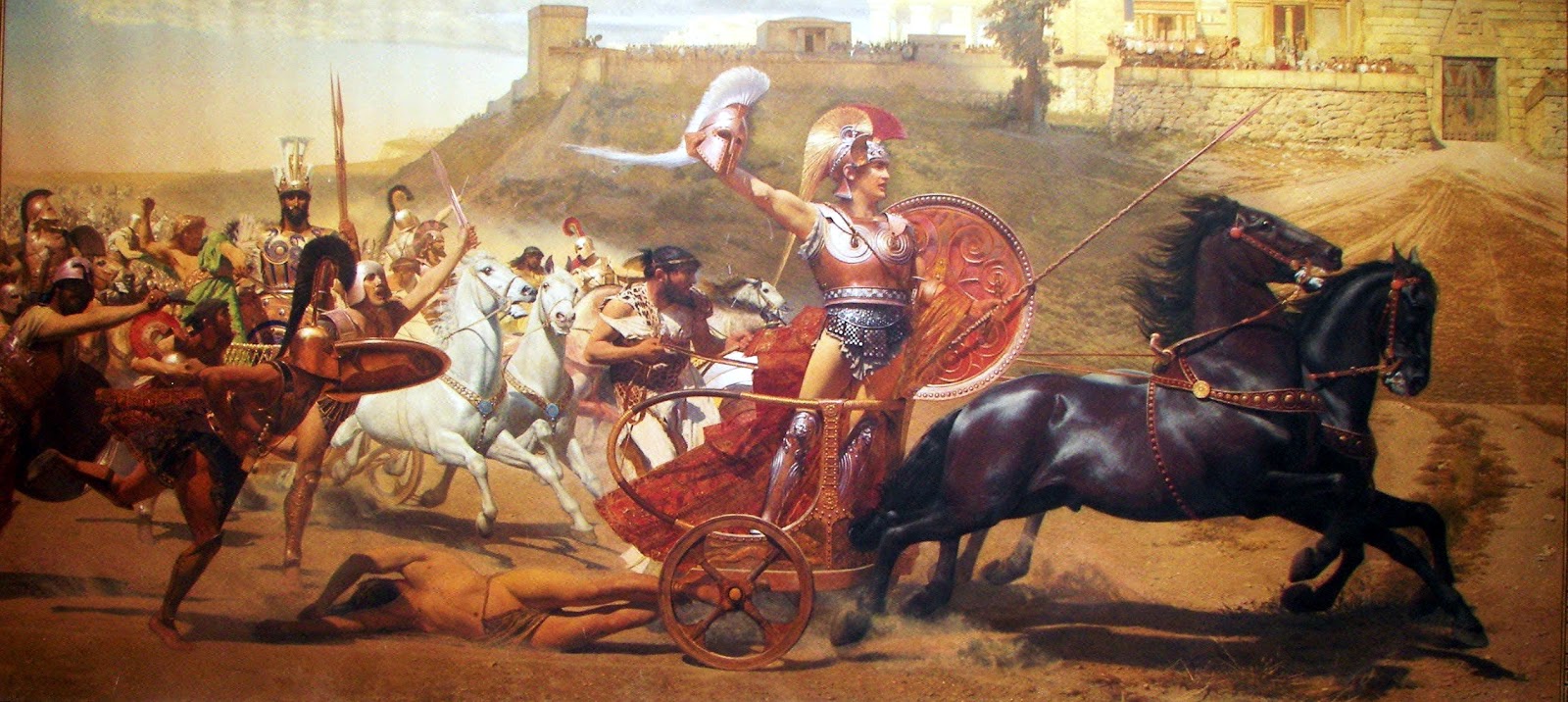
First, let’s define heroes beyond the ability scores – and maybe explain those ability scores. In ancient Greece, heroes were the issue of gods and goddesses, whether major or minor, and mortals. Hercules and Achilles are a couple famous heroes. These folks have amazing abilities and ridiculous luck because they are kissed by the divine … but it ain’t all wine and roses.

Being a hero in ancient Greece is like being the child of an Asian tiger mom – the expectations are high. Let’s not mince words – life in the mortal realms sucks and eventually, you die. If you’re a demigod, though, you have the wonderful option of joining ma or pa in heaven and living forever. Getting there, though – that’s the trick. Heroes need glory.

How do you earn glory? Through heroic deeds. Not “four adventurers beat up a kobolds and took his 7 cp” types of deeds, but “one hero takes on dragon alone” sort of stuff. For a deed to fetch a hero glory, it has to be at the envelope of his or her abilities and he or she must risk death in achieving it. If it’s about fighting a monster, it needs to have at least as many hit dice as the hero. If fighting a monster with others, the monster has to have at least as many hit dice as the total party. If fighting a group, the hero must do it alone (perhaps with one allowable henchman) and the opponents, collectively, must have as many Hit Dice as he does. If it is some sort of skill challenge, it needs to have a less than 50% chance of success and, as I mentioned before, be deadly. Fighting a dragon or giant, jumping across a precipice, bathing an otyugh, picking a lock that contains a poison needle – all of these things can be heroic.

What do you get for glory? For every 500 XP earned heroically while 1st level (and every 1,000 XP earned while 2nd level and every 1,500 XP earned while 3rd level – you get the idea), the hero earns what we’ll call a Hero Point (stayed up all night thinking of the name – I’m very proud). Hero points measure your progress towards becoming a true hero:

At 6 Hero Points, you achieve a measure of fame that grants you a +2 bonus on reaction checks.

At 12 Hero Points, you acquire a small cult consisting in its entirety of a 1st level cleric or druid (they are restricted to no higher than 3rd level spells, granted by your divine parent) as a henchman. If he or she dies, a new one is attracted when you earn your next Hero Point, still at 1st level.

At 24 Hero Points, you are granted godhood upon your death. In the meantime, your cleric, if they are at least 5th level, may build a small temple in your honor and attract followers.

But there’s another aspect to being a hero – family troubles. Heroes are related to the gods, and the gods are, frankly, a pain in the ass. Heroes suffer the chance of being cursed by their own parents when the rile up the other gods, usually in two ways:

1) Killing another hero (or monster with divine blood)

2) Defiling another god’s temple

Do these things, and mom or dad have to hear about it and deal with it. They do so with a geas or quest, couple with a curse (i.e. bestow curse or whatever spell works in your system). To relieve the curse, one must complete the geas or quest. Gives heroes something to think about while adventuring and gathering up glory, don’t you think.

The Everyman in RPGs

Last week, I threw out some ideas for dealing with the underdogs – characters with crappy stats – in fantasy games. Today, I want to look at the everyman.

In the mists of time, when 3d6 were used for rolling ability scores and when ability scores really didn’t give much in the way of bonuses, every character was an everyman. By everyman, I mean common, average, ordinary folks. That was part of the beauty of the game, really. Everybody that delved into that dungeon was hopelessly outmatched by the things lurking therein. I think the average human being tends to root for other average human beings, and in this respect there is a similarity between the everyman and the underdog – when you’re a normal guy surrounded by Conans and Merlins, you are, in a sense, an underdog.

I think the concept of an everyman also hinges on the idea of regular folks – the peasantry – versus the aristocracy and nobility. The notion of rustic honor and the value of honest labor and the full-throated enjoyment of life versus the restrained and condescending nature of the nobility.

Okay – enough explanation. What do we do with these folks?

1) Common Sense

Most of us remember the scene in Lord of the Rings – Gandalf the Wise can’t figure out the riddle, but the little hobbit hill lives in a hill does it easily. Common people have common sense (well, maybe not in reality, but in stories), and that common sense gives them the jump on the over-educated. Perhaps, once per day, an everyman can request a special clue or a re-roll when trying to figure out something that a more qualified person has already failed at.

2) Regular Fellers Stick Together

Regular folks have to stick together, and this might suggest a special perk of the everymen. If there is more than one everyman in a party, perhaps they can swap ability points back and forth – one guy drops a couple points of intelligence or takes a saving throw or attack penalty for the next 24 hours so another guy can get a needed boost. Or maybe one everyman can forgo an action and lend it to another.

3) The Sergeant Major

It’s a well known fact that veteran NCO’s run the military in every practical way, with the officers (especially those damned lieutenants) just getting in the way. Well, it’s a well known fact in tons of books and movies, and that’s what we’re interested in here. That everyman might have some hidden depths of practical knowledge that the heroes and underdogs lack. Perhaps a newly created everyman gets three “life events” that are initially kept blank. As he or she adventures, those life events can be filled in, giving them a boost of practical knowledge when its most needed. When the party is surrounded by bugbears, for example, the everyman fighter breaks out with, “Well, in my younger days, I was in a patrol in a very similar situation to this one. One of the henchmen was a cook, and he happened to know that bugbears cannot resist the smell of burning meat – drives them nuts. We made a quick fire and started roasting what meat we had, and in no time, the bugbears were tearing each other apart in their madness for food. Once they were fewer in number, we unbolted the door and slaughtered the lot of them. Could be that the same idea would work for us here.” Things like this are fun in a campaign because they allow players to invent a few bits and pieces for the campaign world, though of course they do need a bit of refereeing to keep them from becoming silver bullets – i.e. saving throws are always permitted, and those berserk bugbears that survive the initial bloodletting might be tougher customers than they might have been normally.

Monsters of the Virgin Woode

I’ve spent a few hours finalizing the new monster stats that will appear in NOD 19 (coming soon – I swear – just give me time). Thought I’d share a few of the beasts from mythic North America. The cultural origin of the monsters appears in parentheses after the monster’s name. Keep in mind, most of these monsters have been fantasy-ized, as is typical for the grand old game (i.e. I already know it isn’t accurate in terms of folklore).`

ALTAMAHA-HA (Georgians)
Large Animal, Neutral (N), Animal Intelligence; School (1d4)
HD 8
AC 14
ATK 1 bite (1d6) and 1 slam (1d8)
MV Swim 50
SV F8 R8 W14
XP 400 (CL 8)

The Altamaha-ha is a giant river creature that looks vaguely like a giant sturgeon with a bony ridge on its back and a snout like a crocodile. The monster is grey in color, with a belly the color of parchment. Mostly harmless, they are curious creatures who are attracted to humanoid activity, and those ridges on their backs have a nasty habit of damaging or capsizing river craft. Boats under which the animal scrapes must pass an item saving throw or spring a leak.

BOO HAG (Gullah)
Medium Monstrous Humanoid, Chaotic (CE), Average Intelligence; Solitary
HD 6
AC 15
ATK 2 claws (1d4) and bite (1d6)
MV 30 (Swim 50)
SV F12 R10 W10
XP 1500 (CL 8)

Boo hags are monstrous women of the swamp. Similar to vampires, they drain the life of their foes by riding them at night while they sleep and stealing their breath. A hag squatting atop a person drains one hit dice or level from them every 10 minutes.

Those victims they kill, they skin, as they have no skin of their own. They use this skin as a disguise when they wish to hunt at night in settled areas. Boo hags are amphibious, and look like skinless, gaunt women with blazing eyes and gnashing, yellow teeth. They can be distracted for 1d10 minutes by brooms, the straws of which they are compelled to stop and count. If attacked while counting straws, the hags flee with their brooms, that they may count the straws at their leisure in a safe place.

Spells: 3/day—gaseous form

FASTACHEE (Seminole)
Small Humanoid, Lawful (NG), Average Intelligence; Clan (1d20)
HD 1
AC 12
ATK 1 weapon
MV 20
SV F14 R15 W15
XP 50 (CL 1)

The fastachee are the dwarves of the hilly portions of the Virgin Woode, exiles from the Bleeding Mountains who settled here long ago. They have reddish-brown skin and black hair, which they wear long, braiding both the hair on their heads and their chins. The fastachee have long since given up on mining, save for the working of flint and granite. They are now mostly farmers, growing corn and raiding medicinal gardens. They enjoy a +2 bonus to save vs. poison and magic. They usually wear buckskin armor and wield tomahawks.

HEADLESS HORSEMAN (Washington Irving)
Large Undead, Chaotic (CE), Average Intelligence; Patrol (1d6)
HD 7
AC 18
ATK 1 sword (1d8 + special) and 2 hooves (1d6) and bite (1d4)
MV 30 (Mounted 50)
SV F12 R12 W10
XP 1750 (CL 9)

Headless horsemen may be encountered alone or in small patrols. The souls of horsemen who have perished in battle and now seek vengeance on the living. They appear as soldiers of various types, always mounted on black horses and always lacking a head. Most carry lanterns, perhaps even jack-o-lanterns, and slashing swords.

Headless horsemen are dangerous opponents. The whinny of their spectral horses and their own shrieks, screams and maniacal laughter cause fear (as the spell) in those with 3 HD or less. They prefer to get their victims running away, that they might swoop in and attempt to decapitate them. Attacks with their swords that roll a natural ‘20’ have a chance at decapitation; the target must pass a Reflex save to avoid this terrible fate. Mounted warriors who are decapitated will rise as headless horsemen themselves in 24 hours, while all others who are decapitated rise as wraiths, none of them under the control of their creator.

Headless horsemen have but a single weakness. They cannot cross running water, like streams or rivers. Make it across a bridge, and they cannot follow, though they may throw their lanterns in a fit of pique.

Note that the headless horsemen’s stats represent the horseman upon his horse – the two are rarely separated. That being said, it is possible to remove a headless horsemen from his steed, though he always gets a Fortitude saving throw to resist, and can, the next round, “teleport” back onto his mount. The two creatures live and die as a team.

Spells: 3/day—ethereal jaunt

Special Qualities: Immune to fear and all mind effects

KANONTSISTÓNTIE (Mohawk)
Large Aberration, Neutral (N), High Intelligence; Solitary
HD 7
AC 18 [+1]
ATK Slam (1d10) or breath weapon
MV Fly 40
SV F11 R12 W9
XP 1750 (CL 9)

Kanontsistóntie are giant, flying heads that appear to be constructed of bronze. They have unmoving faces and apparently sightless eyes, though they see all. Their mouths are agape and one can discern powerful energies within. The ultimate purpose of these entities is unknown and often seems contradictory from day to day. They primarily seek sustenance in the form of grain, lording it over lesser peoples and threatening them with destruction if they fail to pay tribute.

Kanontsistóntie have a breath weapon they can use once every three rounds, and no more than three times per day. The breath weapon is a 60-ft. cone of pure energy that deals 6d6 points of damage. Objects deposited in their mouths linger for a moment, and then disappear in a cascade of colored motes of light. Living creatures so transported into the “belly of the beast” suffer 6d6 points of damage, and, if they live, find themselves suffering 1d6 points of energy damage per day as they are slowly processed and digested by the head.

Special Qualities: Magic resistance 15%, regenerate

SPLINTERCAT (Lumberjack)
Medium Magical Beast, Neutral (N), Animal Intelligence; Solitary
HD 4
AC 14
ATK Bite (1d6) or slam (2d6)
MV 40
SV F11 R10 W17
XP 400 (CL 5)

Splintercats are odd creatures that look like stout mountain lions with broad, flat heads. They so love honey that they charge at trees hosting beehives, smashing into them so hard that the trees are killed; they lose their branches and leaves and are utterly blighted. This rather odd method of feeding leaves them with a terrible headache and in an eternally foul mood.

YEHASURI (Catawba)
Tiny Humanoid, Chaotic (CE), Average Intelligence; Band (2d8)
HD 0
AC 13
ATK By weapon
MV 20
SV F16 R16 W16
XP 25 (CL 0)

Yehasuri are the goblins of the Virgin Woode. They appear as tiny, hairy wildmen armed with spears and darts. They dwell in burrows beneath tree stumps (they enjoy fermented stump water) and issue out at night to hunt for animals and any unfortunate humanoids they might come upon. The smell of tobacco, either tobacco smoke or the juice, drives them away in a panic.