Max Fleischer is my Dungeon Master

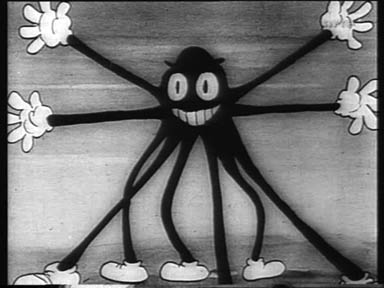
Among cartoon aficionados, Max Fleischer needs to introduction. An Austrian who made good in America, Fleischer was among the pioneers of animation. The cartoons his company produced were often wonderfully bizarre and imaginative.

These bizarre cartoons have long had me thinking of them as a source for inspiration for the sort of gonzo, anything-goes role-playing I tend to enjoy. They also make me wonder what a Fleischer-esque campaign world might look like.

Class & Race
It’s hard to write that without it looking like you’re going to get into some heavy sociological commentary. Fortunately, any RPG’er worth his or her salt knows what I’m talking about.

What races make sense in a Fleischer universe? Well, humans, such as they are, are an obvious choice. Anthropomorphic animals as well, though anthropomorphic animals rarely behave any differently than humans in terms of their abilities. Perhaps it’s best to just treat them as halflings (per OD&D) and get on with it. Humans and funny animals (i.e. halflings), the two races who adventure in Fleischer’s universe.

Class is another thing entirely. With classes, especially in OD&D-style games, I like to think in terms of archetypes. Three come to my mind in relation to Fleischer’s cartoons, those three being some of his biggest stars: Popeye, Betty Boop and Koko the Clown.

So, our three classes are going to be Sailor Man, Flapper and Clown.

Sailor Man works pretty well as a fighter, though the AD&D monk class, if you leave out the whole quivering palm thing, actually plays quite a bit like a cartoon action hero. For our purposes, we’ll treat Sailor Man like a fighter (for attacking and saving throws). In terms of special abilities (we’ll keep this simple), the concept of “barbarian rage” actually works pretty well for old Popeye. The sailor man can, once per day, gobble up some spinach and gain a great big +3 bonus to hit, to AC and to damage. On the other hand, sailor men disdain armor, so they don’t wear it, and since they prefer to fight with their “fisks”, they can deal 1d4 points of damage with their unarmed attacks.

Flappers are probably closest to magic-users in our little Fleischer-esque game. They aren’t spellcasters, but they do have some “magical” abilities at charming the opposite sex. We’ll treat them like magic-users in terms of attacking and saving throws. Like sailor men, they don’t wear armor, and like magic-users, their pretty limited in terms of their weapon choice. Anything (yes, any thing – see below for more on this) that looks on a flapper must pass a saving throw or be charmed, so long as the flapper is trying to be seductive and playful – i.e. provided she is singing and dancing. The degree of the charm effect depends on how badly they flub their saving throw:

Miss save by 1 to 2: Fascinated by the singing and dancing, they do nothing but watch and whistle.

Miss save by 3 to 5: Charmed, per the charm person or charm monster spell.

Miss save by 6 to 10: Under her spell, per the charm monster and suggestion spells.

Image found HERE

Clowns are the tricksters of the bunch, and somewhat analogous to thieves. We’ll use the thief as our basis for attacking and saving throws. Clowns don’t wear armor (I know – no armor in this game … read below for why) and they can use thief weapons. Being cartoons, they are highly maleable and able to imitate objects and hide behind objects smaller than they are (as thief’s hide in shadows ability), sneak around (move silently), do simple bits of prestidigitation (pick pockets) and run up the side of walls and on ceilings (climb walls, but -25% or -5 when running on a ceiling).

Cartoon Physics
Now that we have the basic classes down, it’s time to delve into cartoon physics. A few ideas come immediately to mind:

Everything is Alive! – In old cartoons, everything is either animated or has the potential to be animated. Trees are all animated (though maybe not all treants), cars and other machines have faces and minds of their own, etc. If you want to chop down a tree in the Fleischer-verse, you better watch out – it might very well chop back.

Since everything is alive, though, it also means everything is sentient to one degree or another. Everything seems to understand speech, even animals (though they may ignore it), even if they don’t speak themselves.

Gravity is Subjective – This is the “save vs. gravity” concept. When a character should fall, they can avoid it by being unaware of having walked into thin air. Characters can move up to 10 feet into thin air before needing to make a save (provided they don’t look down), and can avoid noticing their predicament by roll 1d20 and trying to roll higher than their Wisdom score. Sometimes it pays to be oblivious in cartoon-world.

Even if this saving throw doesn’t do the trick, and falling is imminent, cartoon characters can try through manic action and sheer will to hold off the inevitable. Each cartoon character can flail around and flap their arms for 1d4 rounds before they actually fall.

Charisma as Armor Class – You’ll notice that the classes above do not permit armor. To make up for this, we’re going to use a character’s Charisma score as their Armor Class. Cartoon characters survive by force of personality and their ability to laugh off troubles.

Nothing Up My Sleeve – Cartoon characters have an uncanny ability to pull items out of thin air (or their pockets, or from their sleeves or from behind their backs) when they need them. Anytime a character needs something, they can attempt to roll 1d20 under their intelligence score. If they’re successful, they have what they’re looking for. They can only try this once per adventure.
Monsters
All the common monsters can be used in a cartoon game. The “animated object” from the SRD is a must-have, of course, since everything is alive. Popeye tangled with a roc, giants, cyclops, and pirates, spooks (i.e. the undead) showed up frequently and Betty Boop even did a turn in Hell (in a dream, but still).

The idea here isn’t to recreate old cartoons, but rather to run dungeon adventures in a cartoon style.
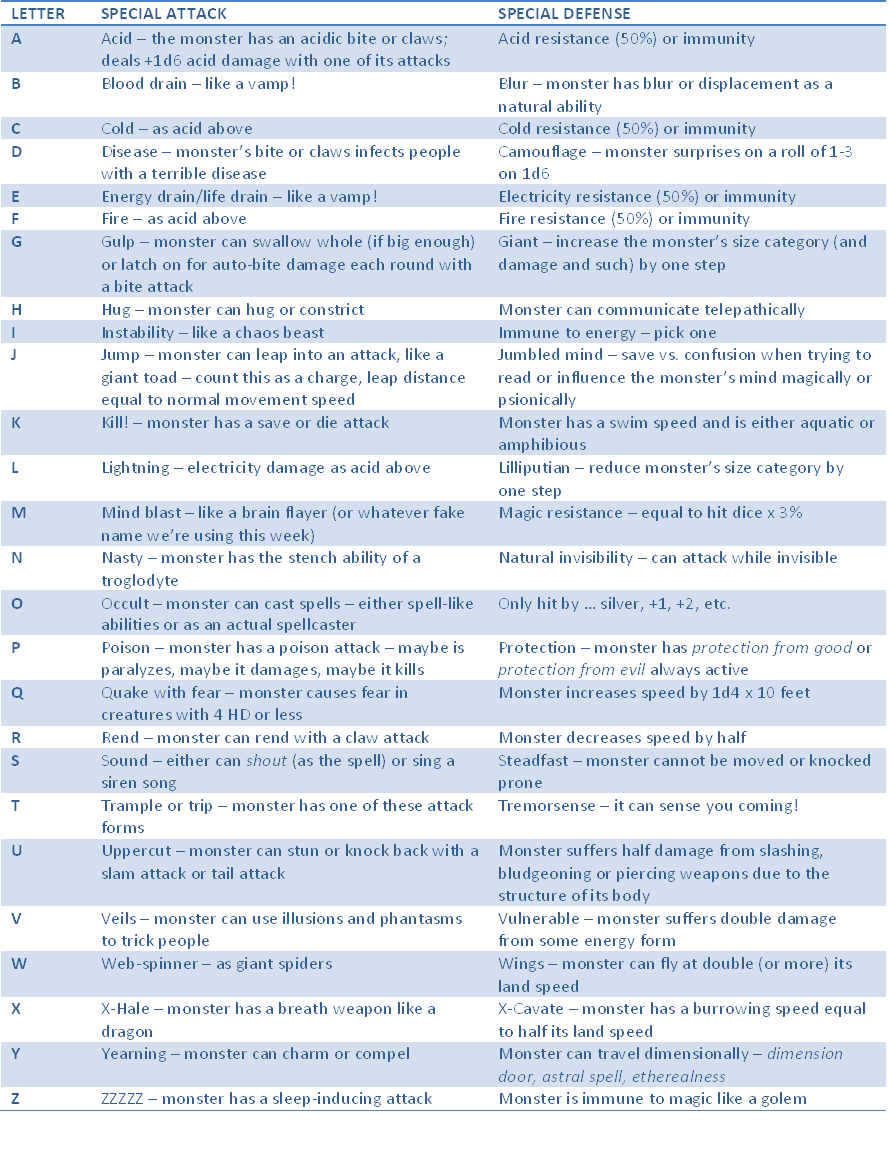
Noah’s Ark – Dictionary Monster Special Abilities

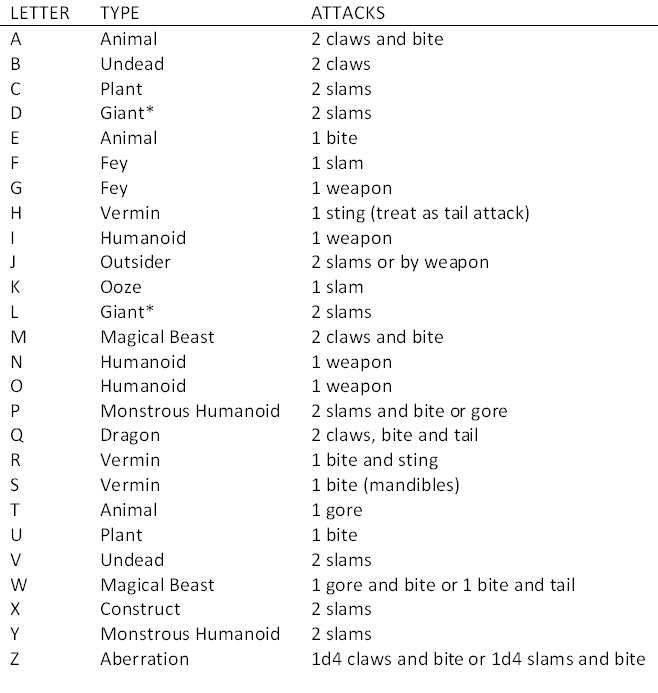
As promised – here are those special abilities associated with the letters.

What powers does our documentarian have?

Special attacks – Occult (it can cast spells), uppercut (it’s slam attacks knock people down) and energy drain!

Special qualities – Cold resistance 50%, magic resistance 21% and natural invisibility

Not bad – I might modify the energy drain and natural invisibility, though.

Tomorrow I’ll post the finished documentarian, maybe with horrible art by myself!

Noah’s Ark – Generating Monsters With a Dictionary

So you’re writing up an adventure, and you want some original monsters to throw at the players – something they haven’t seen before. Unfortunately, you’re a bit short on time. Well, with a random word plucked from your head or generated at dictionary.com, and with this ridiculously goofy system below, you’ve got it covered.

STEP ONE – GET SOME WORDS
As mentioned above, dictionary.com has a random word generator. What you’re looking for is a noun – this is the most important word – and maybe one or two modifiers. Adjectives are the obvious modifiers for nouns, but verbs can work as well, so long as you pop an -ing on the end (i.e. bite becomes biting, claw becomes clawing, sleep becomes sleeping).

STEP TWO – THE BASICS
Now we need to generate some basic stats for our monster. We’re going to use the noun to determine the monster type (even if you don’t use type in your system, this is still good for figuring out what the monster looks like and how it attacks), size (important – determines speed and damage), hit dice and armor class.

HIT DICE: Count the number of consonants in the word. This is the monster’s total hit dice.

ARMOR CLASS: Count the number of vowels in the word. Multiply this number by two and add to 10 for the monster’s (ascending) AC. For descending, just subtract the number from 11.

TYPE: The monster’s type is based on the first letter of the word:

* If the monster’s size is tiny to medium, feel free to change the giant into a humanoid or monstrous humanoid; in any event, increase the giant’s damage output by one size level

SIZE: The monster’s size is based on the last letter of the word:

STEP THREE – SPECIAL ABILITIES
There are two classes of special abilities for our purposes: Special Attacks and Special Qualities (which includes special defenses).

The monster’s special attacks are determined by the third, fifth and seventh letters in the word – if a monster doesn’t have a seventh or fifth letter, then they don’t have special abilities for those slots. In other words, the more letters (and more hit dice), the more special abilities.

I’ll present those tables tomorrow.

SAMPLE MONSTER
In the mean time, let’s look at a sample noun. Using dictionary.com, I generated the word “documentarian” and the modifier “mottled”. What the heck is a mottled documentarian?

Hit Dice: Documentarian has seven consonants, so our monster has 7 HD
Armor Class: Documentarian has six consonants, so our monster has an AC 22 (or AC -1)
Type: Documentarian starts with “D”, so our monster is a Giant with 2 slams
Size: The documentarian’s size should be Medium. A medium giant seems stupid, but in this case we’ll say the monster has giant girth – bulging muscles – rather than giant height

So far, we have:

MOTTLED DOCUMENTARIAN
Medium Giant

HD: 7
AC: 22
ATK: 2 slams (1d6)
MV: 30

A Dungeon Where Apes Evolved from Men?

If one were to draw a Venn diagram of people into fantasy RPG’s and people into Planet of the Apes, I think there would be a pretty good overlap. Likewise, I think there is a pretty good overlap between the Planet of the Apes concept and fantasy gaming – i.e. the ape campaign.

First, let’s get our stuff straight here. Planet of the Apes, the movie franchise, and Planet of the Apes, the book, are two very different animals. There are similarities to be sure, but the differences are pretty major.

The movies were part of the bleak sci-fi period that included such gems as Omega Man, Logan’s Run, Soylent Green and Herbie Goes Bananas (a controversial stand on the last one, but I’m standing behind it). Here, we have mankind destroying itself with nuclear weapons, creating what one might call a “Gamma World” to coin a phrase, this being preceded by presumably genetically-modified apes staging race riots.

The book, written by Pierre Boulle, is quite different. First – it’s fairly boring. One can think of it as a book in the style of Gulliver’s Travels, as it’s mostly a matter of social critique. In this scenario, man grew decadent, using trained apes to do his work. As the apes learned more and more, they grew dissatisfied and eventually threw man out of his own home. Apes didn’t need us anymore. And humans … they didn’t fight back. They wandered into the woods, seemingly content to live as animals. Apes just took up where we left off, the difference being that while they understood our technology, they weren’t very creative.

Applying either scenario to a fantasy world – some magical apocalypse or the flow fall of man into decadence and the rise of a new order – works. You have ancient ruins (a place to adventure), some semblance of civilization (a place to rest between adventures) and, most importantly for fantasy gaming, you have multiple “races” to adventure with. Imagine porting into the world of Greyhawk to discover that Ape Law has been imposed there. Sounds pretty fun.

A few notes before I begin. I’m writing these ape “races” as though they are still physically indistinguishable from normal apes – i.e. I’m not making them people in masks as in the movie franchise. Second – apes are strong. Really strong. I’m not shying away from this, so expect high strength bonuses. If you were running nothing but apes in a game, you can adjust for this higher damage output and let them advance as far as they want in various classes. If you’re running these apes with other races, you’ll need to limit their class advancement to some extent. I’ve included these class level limits below in italics.

Gorillas
Gorillas are the warriors of the apes; burly and brash and easily annoyed. Gorillas add +6 to their starting strength (max. 24). They modify their starting constitution by +1 and reduce their starting intelligence by 1 (max. 18, min. 3). When not using a weapon, a gorilla can make a claw or bite attack each round, scoring 1d4 points of damage. They are capable of launching into a menacing display of power that forces creatures with 0 HD or less than half the gorilla’s hit dice to pass a Will saving throw or be frightened for 1d4 rounds. Gorillas are limited to 7th level, except as fighters, at which they can advance to 9th level.

Chimpanzees
The chimps are the scholars of the ape people, always curious and often chattering. Chimps add +2 to their starting strength (max. 20). They modify their starting intelligence by +1 and reduce their starting wisdom by 1 (max. 18, min. 3). Chimps have a knack for climbing sheer surfaces. In place of a weapon attack, a chimp can make a claw or bite attack that deals 1d3 points of damage. Chimps are limited to 9th level, except as magic-users, at which they can advance to 11th level.

Orangutans
Orangutans are the “wise old men” of the ape community, bureaucrats, clergy and leaders. Orangutans add +4 to their starting strength (max. 22). They modify their starting wisdom by +1 and reduce their starting charisma by 1 (max. 18, min. 3) due their stodginess and superior attitudes. Orangutans have a knack for climbing sheer surfaces. In place of a weapon attack, an orangutan can make a claw or bite attack that deals 1d4 points of damage. Orangutans are limited to 8th level, except as clerics, at which they can advance to 10th level.

3d6 All the Way – A New Way to Make Characters

Had a notion about character generation today. Using the old rules, you roll 3d6 for each ability score, pick a race, pick a class, etc. Nice and simple.

Some people, however, like the idea of ditching classes. Now, I think classes (and monsters) are a brilliant short hand for referees – way easier to use 6th level fighters and owlbears than completely individual, unique enemies. Players, though, might feel constrained with classes.

Well, what’s a class? Essentially a collection of bonuses and special abilities. Let’s say, though, that you want to run a game without much in the way of special abilities – some pulp fantasy or swashbuckling stuff that’s mostly about combat and skills.

Here’s my plan. It leaves out experience points and levels, so it should work pretty well for one-shot dungeons or if you just want to assume every character is a competent adventurer and then run through all dungeons without worrying about advancement.

STEP ONE – Roll 3d6 for each ability score. Make a note of the ability bonus. Use whatever system you like, one possible system follows:

0 = -6
1 = -5
2 = -4
3 = -3
4-5 = -2
6-8 = -1
9-12 = 0
13-15 = +1
16-17 = +2
18 = +3
19 = +4
20 = +5
21 = +6

STEP TWO – Roll 3d6 for skills and combat abilities. Each skill and combat ability is tied to an ability score, and the 3d6 roll is modified by that ability’s modifier. The exact skills you use are up to you – and example follows:

Strength: Melee attacks, breaking down doors, bending bars, jumping, swimming, climbing

Dexterity: Ranged attacks, reflex saving throws, acrobatics, pick pockets, open locks, hide in shadows, move silently, riding, move without leaving tracks

Constitution: Fortitude saving throws

Intelligence: Legend lore, decipher codes, find and remove traps, appraise value, cast magic-user spells (i.e. invoke)

Wisdom: Hear noises, will saving throws, tracking, avoid surprise, wilderness survival, cast cleric spells (i.e. pray), solve riddle

Charisma: Gather rumors, fascinate crowd, reaction checks, haggle over prices

Essentially, you’ll keep tracks of the bonus associated with each of these scores. So, if you roll a 15 for strength (+1 bonus) and then a 16 for melee attacks, the strength modifier bounces that to a 17, giving you a +2 melee attack bonus.

STEP THREE – Roll 3d6 for hit points, modified by the constitution modifier.

Now, how do we use these bonuses? You should be able to run combat just as you always did – roll d20, modify with melee attack bonus and strength modifier, beat AC.

For skill use and saving throws, roll d20 and try to roll beneath the score itself, using whatever modifiers you think make sense. In the case of spells, you’d want to use the spell level as a modifier, probably with some sort of consequence of failing a roll (i.e. cannot attempt that spell again that day, three failures and no more spells for the day).

Here’s a sample character, Rodrik the Bold

Strength 16 (+2)
Melee attacks 10 (+0), breaking down doors 6, bending bars 16, jumping 17, swimming 16, climbing 11

Dexterity 13 (+1)
  Ranged attacks 12 (+0), reflex saving throws 12, acrobatics 16, pick pockets 10, open locks 10, hide in shadows 13, move silently 14, riding 11, move without leaving tracks 7

Constitution 6 (-1)
  Fortitude saving throws 8

Intelligence 14 (+1)
  Legend lore 8, decipher codes 8, find and remove traps 13, appraise value 15, invoke magic-user spells 13

Wisdom 10 (+0)
  Hear noises 5, will saving throws 12, tracking, avoid surprise 8, wilderness survival 10, pray for cleric spells 7, solve riddle 14

Charisma 11 (+0)
  Gather rumors 8, fascinate crowd 10, reaction checks 12, haggle over prices 10

Hit Points 12

A Weapon Damage System … Cause Everything Needs a System!

A system? For something as simple as weapon damage? Why?

Blog posts, baby. I need constant validation from you, the reader, and to get it, I have to make stuff up almost every day.

Seriously, though, when I’m writing bits and pieces for games or adventures and come across a weapon that doesn’t show up in Blood & Treasure or Swords & Wizardry, I have to eyeball it. What’s the weapon like – is it deadlier? Less deadly? Etc. This system works well enough – I’m never one to get hung up on the details when it comes to slaying dragons, but I have thought about doing something a bit more rational.

Weapon Damage

To start with, we need the most basic weapon known to man … the fist. Depending on your system, a human fist usually does 1d2 or 1d3 points of damage. For our purposes, we’re going to go with 1d2.

We’re then going to rate each weapon on its physical characteristics, giving a weapon points based on these characteristics. Each point increases the damage of the weapon by one step. The damage steps are as follows:

Points / Damage
0 / 1d2
1 / 1d3
2 / 1d4
3 / 1d4+1
4 / 1d6
5 / 1d8 / 2d4
7 / 1d10
8 / 1d12 / 2d6

That’s probably enough steps for our purposes.

Let’s now take on the physical characteristics of our weapons. The characteristics we’re interested in are those that make the weapon deadlier, since weapon damage really represents the chances that any given blow will result in a foe’s death.

We’ll start with what the material of which the weapon is made. For a weapon with a metal head and a wooden haft, we’ll count the weapon as being made of metal.

Flesh and bone or leather = 0 points
Wood / stone = 1 point
Metal = 2 points

Second, we’ll think about the weapon’s length. The longer the weapon, the more likely it is to land the killing blow.

0 to 1 foot = 0 points
1 to 2 feet = 1 point
2 to 3 feet = 2 points
3 to 5 feet = 3 points
5+ feet = 4 points

Finally, we’ll take into consideration a few miscellaneous characteristics:

Weapon is edged from tip to pommel (i.e. a blade) = 1 point
Weapon has more than one attack vector* = 1 point
Weapon launched by a short bow = 1 point
Weapon launched by a longbow or crossbow = 2 points
Weapon is especially thin or light = -1 point

* By attack vector, I mean a weapon that can be used as a piercing and slashing/chopping weapon, or maybe bludgeoning and piercing. Now, one can argue that a spear, for example, could be a bludgeoning weapon because one could strike with the haft or butt, but all we’re really interested in is the ways the weapon is intended to be used.

Now, some weapons are capable of special forms of attack. For each special form of attack, you can either deduct points from the damage, or ignore this step and reward the weapon for being well designed.

Can be set against a charge = -1 pointCan be used as a shield = -1 point
Can be used as a shield and weapon simultaneously = -2 points
Can be used to disarm, entangle or trip (i.e. hooked, or chains and whips) = -1 point

One reason to do the deduction is that it might stop players from arguing that the weapon their character wields has every special ability they can think of. If they want a spear that can be set against a charge, be used as a shield and weapon simultaneously and be used to trip people, agree and reduce the its damage by 4 levels.

Samples

So, let’s see how some basic weapons come out with this system. Note – I wasn’t trying to create a system to duplicate a particular game system, so don’t be surprised when they don’t.

Clubs are wooden weapons (1 point) that are about 2 feet long (1 point). That’s 2 points, which comes out to 1d4 points of damage.

Daggers are metal weapons (2 points) that are about 1 foot long (0 points) and are edged from tip to pommel (1 point). One could argue that they can be used as slashing and piercing weapons (1 point), which would give them 1d6 points of damage. If the dagger is only good for piercing, it would do 1d4+1 points of damage.

From the dagger, we can extrapolate with the other basic swords. If a dagger does 1d6 points of damage, short swords do 1d8, long swords 1d10 and greatswords 1d12.

Spears are metal weapons, at least the head is (2 points) and are about 5 to 6 feet long (4 points). Since they can be set against a charge, they lose a point, giving them 4 points and 1d8 points of damage.

A halberd is similar to a spear, but has two attack vectors (piercing and chopping), and so does 1d10 points of damage.

A rapier is a light longsword, and so would do 1d8 points of damage. If a player decides it can be used as a shield and weapon at the same time, it does 1d6 points of damage.

A flail is tougher. If it has metal heads (2 points) and is about 3 feet long from the tip of the haft, through the chain to the tip of the head (s) (2 points), then it does 1d6. If you decide it can be used to entangle, drop the damage to 1d4+1. If it is longer, increase the damage a step. If the flail has multiple heads, you might want to bump the damage one level higher.

A metal gauntlet gets 2 points, and thus does 1d4 points of damage.

A whip is made of leather (0 points). A short whip (like a riding crop) would maybe add a point and thus do 1d3 points of damage. A bullwhip might be very long (4 points) and thus do 1d6 points of damage. Since it can entangle and trip, you can knock the damage back to 1d4+1.

An arrow has a metal head (2 points) and is about 3 feet long (2 points) and is fired from a short bow (1 point), and so does 1d8 points of damage. If fired from a longbow or crossbow, it does 1d10 points of damage. If it had a stone point, reduce the damage by one level.

Prepared Spells Without the Preparation

Demonologist by Jon Kaufman, for the NOD Companion

I just had an idea – probably not a new one – and I thought it would be worth a mention.

When I’m writing NOD or Hexcrawls, I usually do not write down the prepared spells for the various spellcasters. There are a few reasons for this, but the top two are (1) it often takes up too much room and (2) it makes some people who run games feel locked in with those spells. Tonight, while writing character stat blocks for the Virgin Woode (progress continues a bit more slowly than I’d like), a notion occurred to me for allowing on-the-fly spell preparation for game masters.

The basic idea is this: The GM picks a spell they want the caster to have. They roll 1d20. If they roll under the caster’s Intelligence score (you can substitute Wisdom for clerics and druids, if you prefer), then it means the caster had the wherewithal to prepare that particular spell for that particular day. Easy as pie.

So – I have a 4th level NPC magic-user with a 14 intelligence. He gets into a scuffle with the player characters and I decide I want him to cast magic missile. I roll the d20, get a 13, and that means he prepared magic missile that day. If he wants to cast it again, I need to roll again to see if he was smart enough to prepare it twice.

Now – you might be saying, “Yes, but what if I have an evil cleric NPC and it turns out she didn’t prepare a basic spell like cure light wounds or inflict light wounds. That’s stupid.”

To get around this, it probably makes sense to scribble down a few spells, especially low level spells, that we don’t have to roll for to check, at least for clerics and druids, who have all the spells at their disposal. For magic-user, it’s arguable that the only spell they certainly have in the spellbooks is read magic.

So – 3 basic spells (using spells from Blood & Treasure – your system may vary) of each of the low levels that we can assume a cleric and druid and magic-user would have prepared:

Cleric (Lawful)
1st level – bless, cure light wounds, protection from evil
2nd level – cure moderate wounds, hold person, silence
3rd level – cure serious wounds, dispel magic, prayer

Cleric (Chaotic)
1st level – cause fear, inflict light wounds, protection from good
2nd level – inflict moderate wounds, hold person, silence
3rd level – animate dead, blindness, dispel magic

Druid
1st level – cure light wounds, entangle, produce flame
2nd level – barkskin, delay poison, resist energy
3rd level – dominate animal, poison, wind wall

Magic-User
1st level – detect magic, read magic, sleep
2nd level – detect thoughts, levitate, web
3rd level – dispel magic, fly, suggestion

Of course, if you don’t want to go through this exercise, it’s always acceptable for the GM to simply decide, on the fly, that the cleric has cure light wounds prepared, and I’m not going to bother rolling for it.

Heroes in Fantasy RPG’s

We’ve given a boost to the underdogs and everymen – ways to make them more interesting and add a little more to the game. What about heroes – those lucky bastards with high ability scores (i.e. everyone in the game by the time we get to AD&D 2nd edition). Why should they get anything good?

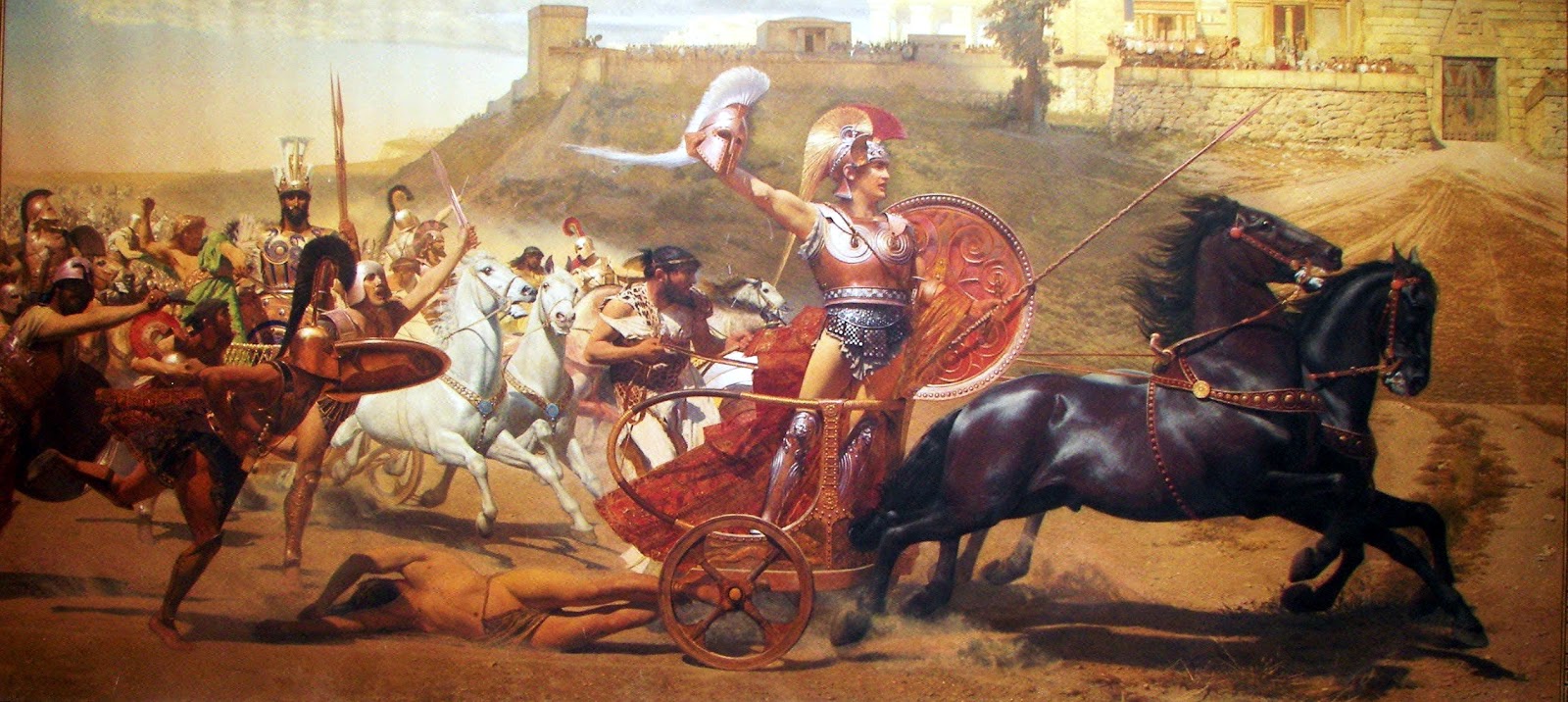
First, let’s define heroes beyond the ability scores – and maybe explain those ability scores. In ancient Greece, heroes were the issue of gods and goddesses, whether major or minor, and mortals. Hercules and Achilles are a couple famous heroes. These folks have amazing abilities and ridiculous luck because they are kissed by the divine … but it ain’t all wine and roses.

Being a hero in ancient Greece is like being the child of an Asian tiger mom – the expectations are high. Let’s not mince words – life in the mortal realms sucks and eventually, you die. If you’re a demigod, though, you have the wonderful option of joining ma or pa in heaven and living forever. Getting there, though – that’s the trick. Heroes need glory.

How do you earn glory? Through heroic deeds. Not “four adventurers beat up a kobolds and took his 7 cp” types of deeds, but “one hero takes on dragon alone” sort of stuff. For a deed to fetch a hero glory, it has to be at the envelope of his or her abilities and he or she must risk death in achieving it. If it’s about fighting a monster, it needs to have at least as many hit dice as the hero. If fighting a monster with others, the monster has to have at least as many hit dice as the total party. If fighting a group, the hero must do it alone (perhaps with one allowable henchman) and the opponents, collectively, must have as many Hit Dice as he does. If it is some sort of skill challenge, it needs to have a less than 50% chance of success and, as I mentioned before, be deadly. Fighting a dragon or giant, jumping across a precipice, bathing an otyugh, picking a lock that contains a poison needle – all of these things can be heroic.

What do you get for glory? For every 500 XP earned heroically while 1st level (and every 1,000 XP earned while 2nd level and every 1,500 XP earned while 3rd level – you get the idea), the hero earns what we’ll call a Hero Point (stayed up all night thinking of the name – I’m very proud). Hero points measure your progress towards becoming a true hero:

At 6 Hero Points, you achieve a measure of fame that grants you a +2 bonus on reaction checks.

At 12 Hero Points, you acquire a small cult consisting in its entirety of a 1st level cleric or druid (they are restricted to no higher than 3rd level spells, granted by your divine parent) as a henchman. If he or she dies, a new one is attracted when you earn your next Hero Point, still at 1st level.

At 24 Hero Points, you are granted godhood upon your death. In the meantime, your cleric, if they are at least 5th level, may build a small temple in your honor and attract followers.

But there’s another aspect to being a hero – family troubles. Heroes are related to the gods, and the gods are, frankly, a pain in the ass. Heroes suffer the chance of being cursed by their own parents when the rile up the other gods, usually in two ways:

1) Killing another hero (or monster with divine blood)

2) Defiling another god’s temple

Do these things, and mom or dad have to hear about it and deal with it. They do so with a geas or quest, couple with a curse (i.e. bestow curse or whatever spell works in your system). To relieve the curse, one must complete the geas or quest. Gives heroes something to think about while adventuring and gathering up glory, don’t you think.

The Everyman in RPGs

Last week, I threw out some ideas for dealing with the underdogs – characters with crappy stats – in fantasy games. Today, I want to look at the everyman.

In the mists of time, when 3d6 were used for rolling ability scores and when ability scores really didn’t give much in the way of bonuses, every character was an everyman. By everyman, I mean common, average, ordinary folks. That was part of the beauty of the game, really. Everybody that delved into that dungeon was hopelessly outmatched by the things lurking therein. I think the average human being tends to root for other average human beings, and in this respect there is a similarity between the everyman and the underdog – when you’re a normal guy surrounded by Conans and Merlins, you are, in a sense, an underdog.

I think the concept of an everyman also hinges on the idea of regular folks – the peasantry – versus the aristocracy and nobility. The notion of rustic honor and the value of honest labor and the full-throated enjoyment of life versus the restrained and condescending nature of the nobility.

Okay – enough explanation. What do we do with these folks?

1) Common Sense

Most of us remember the scene in Lord of the Rings – Gandalf the Wise can’t figure out the riddle, but the little hobbit hill lives in a hill does it easily. Common people have common sense (well, maybe not in reality, but in stories), and that common sense gives them the jump on the over-educated. Perhaps, once per day, an everyman can request a special clue or a re-roll when trying to figure out something that a more qualified person has already failed at.

2) Regular Fellers Stick Together

Regular folks have to stick together, and this might suggest a special perk of the everymen. If there is more than one everyman in a party, perhaps they can swap ability points back and forth – one guy drops a couple points of intelligence or takes a saving throw or attack penalty for the next 24 hours so another guy can get a needed boost. Or maybe one everyman can forgo an action and lend it to another.

3) The Sergeant Major

It’s a well known fact that veteran NCO’s run the military in every practical way, with the officers (especially those damned lieutenants) just getting in the way. Well, it’s a well known fact in tons of books and movies, and that’s what we’re interested in here. That everyman might have some hidden depths of practical knowledge that the heroes and underdogs lack. Perhaps a newly created everyman gets three “life events” that are initially kept blank. As he or she adventures, those life events can be filled in, giving them a boost of practical knowledge when its most needed. When the party is surrounded by bugbears, for example, the everyman fighter breaks out with, “Well, in my younger days, I was in a patrol in a very similar situation to this one. One of the henchmen was a cook, and he happened to know that bugbears cannot resist the smell of burning meat – drives them nuts. We made a quick fire and started roasting what meat we had, and in no time, the bugbears were tearing each other apart in their madness for food. Once they were fewer in number, we unbolted the door and slaughtered the lot of them. Could be that the same idea would work for us here.” Things like this are fun in a campaign because they allow players to invent a few bits and pieces for the campaign world, though of course they do need a bit of refereeing to keep them from becoming silver bullets – i.e. saving throws are always permitted, and those berserk bugbears that survive the initial bloodletting might be tougher customers than they might have been normally.

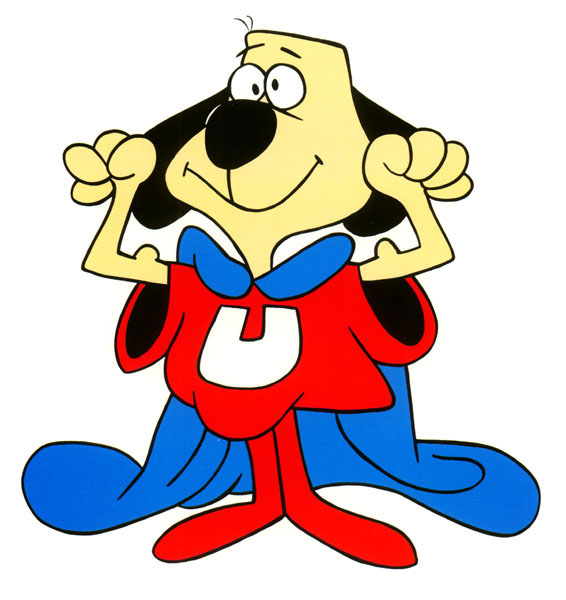
Underdogs in RPG’s

Okay, I said I would hit this yesterday, but then I remembered that I had a review ready to go and I didn’t want to delay. So sue me.

Underdogs – I defined them last time around, but for a refresher, an underdog is a character with ability scores that total 18 to 54, and who must have one ability score no higher than 6. Frankly, these folks shouldn’t be adventuring – OMG no ability bonuses! – but back in the day (when there weren’t ability bonuses, and even when there were), I’m sure many of them did adventure and probably survived about as long as their more generously endowed comrades (read that however you like).

So, what can we do, mechanically, beyond the stats, to make these characters more fun and interesting. I definitely do not want to just make up some bonuses to throw around – i.e. roll ability scores with no bonuses and get some anyways – so what to do? Well, here are a few ideas:

1. All Honor to the Underdog

Underdogs are normally going to follow a strategy of staying out of the way as long as possible. Let the others do most of the work, take a share of the experience and treasure, and live to fight another day. In movies, though, the underdog is usually set up to be the secret hero, striking at just the right moment to win the day. What if, when an underdog applies the final blow to the foe, or the underdog’s player solves the riddle or figures out the trap, the underdog gets all of the experience points for that challenge. This gives the underdog a great reason not to hang back all the time, cheeses off the other players (always good for the GM) and gives a mechanical boon without it really offsetting the underdog’s challenges.

2. The Seeds of a Hero

What if, whenever the above scenario happens, the underdog can forgo the experience (it is divided among the others), and instead increase an ability score. Maybe the underdog isn’t the hapless twit or sniveling weakling he at first appeared. Of course, there are a few provisos and quid pro quos here. The underdog only gets to raise one ability score, ever – if he chooses Strength, he’ll always be raising Strength. Moreover, he can only raise this score to a maximum of 13, and once it has hit 13, he’s no longer an underdog.

3. Root for the Underdog

Instead of (or in addition to?) the above, maybe the other players can lend the underdog a hand – after all, everyone roots for the underdog, right? During play, a player can lend the underdog their own bonuses, losing those bonuses either for the duration of a combat (if they’re in a combat) or for the remainder of the day (if we’re talking about saving throws or skill rolls and such). Naturally, this creates a much different group dynamic than 1 and 2 above.

Well – three ideas for the underdog. I’ll be in the air tomorrow and away from my computer, so no Friday post. But Saturday I’ll ruminate on the Everyman and see what we can do for them. I might also post an old class I invented called … The Everyman. If I can find it, that is.

Cheers!