Venatia – Bodbertus and Argis

Okay – probably the last preview of Venatia’s eastern half. Today, I’m covering five city-states located in (or near) the Golden Coast. Now, when I create these sandboxes, the first thing I do is randomly generate the contents of the hexes using a huge excel document I created. Based on the terrain of each hex, the excel document randomly fills it with a monster lair, natural feature, village, stronghold or, very rarely, a city. Well, when I generated Venatia, I got five cities in the northeast quadrant of the map, not including Ibis, which I had pre-placed myself – all part of the fun of random tables.

4223 Bodbertus: Bodbertus is a river port city of 5,000 people. The Bodberters, as they are colloquially called, are related to the chalkeions of the Golden Coast. They have reddish brown skin, broad, round faces with brown, grey or blue eyes and thick, straight hair of pale blond to auburn that they wear braided. They tend to be tall, averaging 6 feet in height.

Bodbertus is constructed in the lush valley of the River Vusk, which eventually flows through the Grete Myre and finally empties into the Tepid Sea. The valley is well cultivated and dotted with manorial villages. The economy is based on mining in the mountains. The city-state’s currency is the wose, minted in gold, silver and copper. The patron deity of Bodbertus is Eris, goddess of strife, contention, rivalry and war.

The city itself has an outer wall consisting of thick earthen ramparts topped with wooden spikes and patrolled by groups of 2d6 militiamen in leather armor and carrying bill hooks, short bows and long knives. There is also an inner wall measuring 60 feet tall composed of granite blocks and strong towers. The inner wall has three gates of thick, laminated pine reinforced with iron. The inner wall is patrolled by men-at-arms wearing chainmail and carrying pole axe, short sword and light crossbow (see below).

The buildings within the city are tall and narrow and constructed of white granite with sharply peaked roofs of green copper or tarred pine. Bodbertus is notable for its lush gardens, graceful architecture, expansive markets (there is a corn market, livestock market, metal market, cloth market and gem market), local fencing schools and dozens of eccentric hedgemages. In fact, there are so many mages in Bodbertus that each city guardsman is equipped with three +1 crossbow bolts, and each sergeant of the guard is equipped with three +1 bolts that cause 1d4 points of lightning damage when they hit.

The city streets follow a radial pattern, and are narrow and twisty. The most celebrated construction within the city-state is its museum of ancient treasures, an octagonal building with thick, granite walls. It contains, behind four permanent walls of force, a collection of royal regalia dating to the ancient and warlike Venatian chieftains of the woods, from whom the Countess traces her descent.

Bodbertus is ruled by a triumvirate of elected prefects, one elected by the guilds, one by the peasantry and one by the nobility. All three prefects are quite corrupt. The prefects are under the control of the Ophelia, Countess of Bodbertus, who rules the city-state’s domain and from whom the triumverate and the city’s guilds gained their charters. Ophelia has a measure of storm giant blood in her veins, making her a sorceress of no mean ability.

Bodbertus’ domain is populated by 45,000 people. The nobility consists of 25 baronets. There are also eight ecclesiastical manors. The country is divided into two shires, each patrolled by a sheriff – Jeovald north of the river and Guennock south of the river. The two men despise each other and vye for the hand of the Countess Ophelia. The city watch consists of 50 men-at-arms and the city-state’s standing army consists of 300 militia, 20 knights and 19 sergeants-at-arms.

• Ophelia, Magic-User Lvl 7; HP 24; AC 9 [10]; Save 9; Special: Spells (4th); Crimson robes, golden coronet, thin, twisty pine wand that can cause one subject to dance.

• Guennock, Aristocrat: HD 3 (19 hp); AC 2 [17]; Atk 1 weapon (1d8); Move 12 (9 in armor); Save 14; CL/XP 3/60; Special: Soldiers are +1 to damage; Platemail, battle axe, dagger.

• Jeovald, Aristocrat: HD 3 (9 hp); AC 1 [18]; Atk 1 weapon (1d8); Move 12 (9 in armor); Save 14; CL/XP 3/60; Special: Soldiers are +1 to hit; Platemail, shield, long sword, dagger.
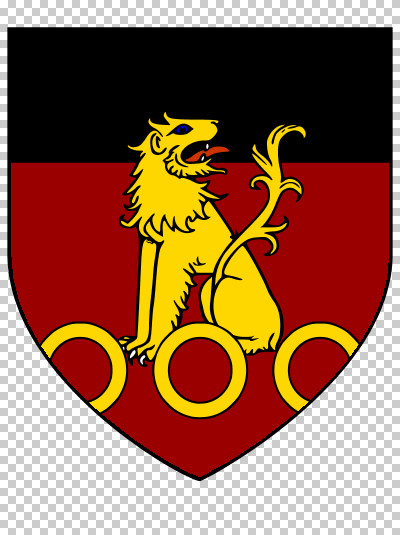
5013 Argis: Argis is a fading city of the chalkeions. The city is constructed on a low rocky plateau with steep sides overlooking the Dinar River, with a system of pulleys and a fortified mule trail linking the city proper to its docks. The city has thick walls of stone, a number of small gates of beaten bronze and tall watch towers manned by expert crossbowmen. Argis is dominated by is ancient citadel and known for the three mighty aqueducts that bring fresh water into the city from the Sturmdrangs. Argis’ patron deity is Kubeleya, the great goddess of the Golden Sea pantheon.

The streets of Argis are narrow and maze-like, and almost impossible for outsiders to navigate what with the propensity of the locals to set up temporary booths and carts to sell their goods. Almost 7,500 chalkeions are packed into Argis’ tall, narrow, tower-like buildings. The buildings of Argis are made of fired red brick with dome-like bronze roofs. The city-state is built around a number of medicinal hot springs, and features a multitude of baths.

Argis is also known for its well-stocked shops (and outrageous prices), medicinal gardens, its brotherhood of druids and rangers that comb the hills for monsters and the fact that almost every surface of every wall and building is covered with mosaics or grotesque terracotta sculpture.

The streets are patrolled by a total of 75 hoplites in archaic armor (treat as chainmail) carrying long spears with black shafts, short swords and crossbows.

Argis has a massive temple dedicated to Kubeleya and her consort, the fertility god Atys. As one of the last cities of the chalkeions, it supports temples to Kotys, goddess of the moon, lust, revelry and the hunt, Sabazios, the cthonic horseman, Zalmoxis, the thunder god worshiped by berserkers, Dionysus (who the Motherlanders call Bacchus), Men, the little god of the moon, and the deities of medicinal springs, Vidasus and Thana.

Argis is surrounded by a domain of 67,500 peasants in 50 manorial villages and mines, mostly goat and sheep herds, but also farmers and miners of gold, copper and silver. The metals trade dominates the economy, and has prompted dozens of foreign merchant companies to construct factories in Argis. Argis has an army of 460 light footmen (mostly spearmen, slingers and archers) and a corps of 30 hoplites in platemail with shield, spear and sword.

Argis is ruled by King Thrasophon and his queen, Hyperne. The royal family also includes princes Phomachus and Hierophius and princesses Thrasoipa, Isaphraste and Lysiela. The king never appears in public without his fire drake-skin cloak (+2 save vs. fire) and his golden scepter and spiky crown.

• Chalkeion Hoplite: HD 5; AC 2 [17]; Atk 2 weapons (1d6); Move 12; Save 12; CL/XP 5/240; Special: None.

• Chalkeion Sergeant: HD 6; AC 2 [17]; Atk 2 weapons (1d6); Move 12; Save 11; CL/XP 6/400; Special: None.

• Princes: HD 7; AC 2 [17]; Atk 2 weapons (1d6); Move 12; Save 9; CL/XP 7/600; Special: None.

• King Thrasophon: HD 11 (59 hp); AC 2 [17]; Atk 2 weapons (1d6); Move 12; Save 4; CL/XP 11/1700; Special: None.
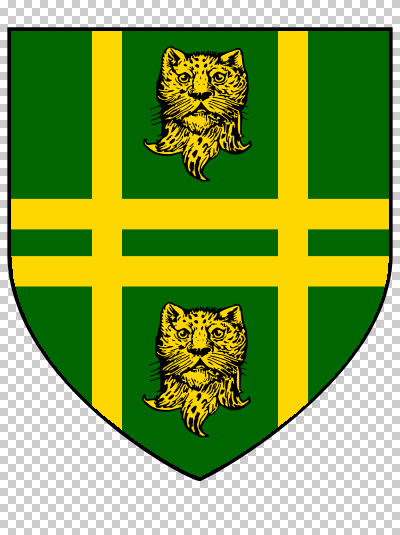
6503 Utya: Utya is a city-state of 12,500 men and women that originated as a military fortress of the ancient Nabu Empire. It is constructed on the banks of the Oeagrus River within view of the blasted remains of an ancient chalkeion citadel.

The people of Utya have coarse, fleecy hair of dark brown and eyes of brown, green or hazel that they highlight with kohl (men and women). They are magnificent physical specimens, standing 6 ½ to 7 ½ feet in height with muscular builds, angular faces and light, creamy skin.

Utya is surrounded by a triple wall of wooden palisades and thick earthworks. It has four stone gatehouses (the River Gate, Mountain Gate, Gate of the Blue Men – see [7502] for more information – and Leopard Gate or Gate of Victory) with steel-reinforced doors operated by stone golems. Within the walls are narrow, stinking, muddy streets and rows of squat, flat-topped buildings constructed of grayish-green brick. The city is built on a grid, but the “suburbs” are less ordered than the city center, which is dominated by a Moon Temple dedicated to Khonsu, the Nabu moon god, and the nomarch’s palace, a vast conglomeration of gardens, brick courtyards and square pavilions. The streets are patrolled by men wearing ring mail and carrying shields, throwing axes and curved short swords.

Utya is known for its many religious idols, which seem to glare at visitors from above every arch and around every corner, as well as its wandering gangs of priests who sing psalms (loudly and badly) for alms. Visitors to Utya usually come for its courtesans, men and women wrapped in gauzy robes of pink or midnight blue and carrying blue lanterns, even in the daytime, or the city’s infamous school of wizardry.

Utya’s economy is based on the fruit trade, with the fields around the city producing an especially tasty golden grape that is turned into a sparkling wine, and the many almond and fig orchards. The economy has been weak of late, but the people have remained cheerful through the hard times.

Utya is ruled by a nomarch (the feudal governors of ancient Nabu) named Haspedth. While the nomarch would have been appointed in the days of the empire, they are now elected by the people, with each hopeful nomarch-to-be minting tin coins in his image and people voting by dropping these coins through the front gates of the palace under the watchful eyes of the high priest of Khonsu, Tebet. The night before each election, the candidates are tested in the arena of combat with light, wooden swords, with the winner of the combat usually chosen nomarch the next day.

7215 Lithr: Lithr is an ancient city of 1,000 stone giants built at the mouth of the Oeagrus River. The city has mammoth walls of granite 150 ft tall and four mighty stone towers, each equipped with a ballista that the stone giant use as a heavy crossbow and dozens of throwing stones. The stone giants of Lithr are tall and angular in body, with pale gray skin and not a sign of body hair. They generally dress in greens and grays, usually in light tunics with sandals and, when the weather turns chilly, cloaks.

The buildings of Lithr are pyramidal stone structures, with wide streets and patrols of 1d3 stone giants (always female) each leading a black bear on a chain. Lithr is known for its lush vines of figs, its orchards of apples and the copious quantities of cider it presses each autumn. The stone giants are peaceful by nature, and welcome traders of the small folk so long as they behave. All small folk are kept at a large inn called the Pudding Pot that is run by Porogan, a swarthy Ibisian with a flair for cookery. The inn’s second story is ringed by a gallery where traders can meet with potential giant trading partners, the arrangement being easier for both small and tall. The stone giants mostly trade via barter, but will accept bars of precious metals and large gems.

Besides their apples and cider, the Lithr are known for their massive ziggurat dedicated to Ymir, the progenitor of all giants, and its corps of rangers, stone giants armed with colossal longbows (1d12 damage) and trained giant hunting owls. The temple is overseen by Wall, who has the abilities of a 6th level druid, and the rangers lead by Peorn, who has the abilities of a 3rd level ranger. Lithr’s queen is the stoic and often cruel Sikn.

7502 Palah: Palah is a city of blue-skinned men and women with golden hair and eyes of the lightest gray and blue-green. The palahi are believed to be colonists from another dimension or world – they aren’t telling – by those sages who have managed to visit them. All palahi have the ability to control people’s minds (per the charm person spell, usable at will).

Palah has a population of 17,500, making it the second largest city in the region after Ibis. The hills and valleys around the city have sewn with salt by the palahi to support their soul source of nourishment, a creeping lavender vine that produces bunches of small, purple crystalline berries that taste of salt and lime. Humans can live on the berries for a few weeks before the very high salt intake begins to take a toll on their health. The many acres of lavender vines are cultivated by over 150,000 peasants, who trill strange songs with their throats while they work, using tame giant snails to pull their plows and fertilize the fields with their trails of slime. Palahiland, as it has been termed by sages, is composed of three districts, each ruled by a zim (roughly equivalent to a count). At the extreme western end of the domain there is a small trading town called Zibbul, where outsiders trade exotic goods for mineral salts and smelted metals.

The city boasts an army of over 1,000 footmen armed with repeating crossbows (3 shots per round) and large cleavers with hooks jutting out from the back of their heads. The army also has 74 knights wearing chainmail and carrying shields, lances and cleavers mounted on what appear to mechanical armadillos.

The city-state itself is constructed on a large, flat island in the midst of a shallow acid lake. A long bridge of spun glass spans the lake, but those crossing the bridge at less than a trot must pass a saving throw or be overcome by the acrid fumes and become nauseous for a few rounds and then die choking on blood. The palahi make a living dredging weird salts and metals from the shores of the lake, the workers wearing respirators and using thick, long-handled glass scoops.

The palahi are cheerful, friendly folk. Their city has smoothly cobbled twisty streets (paved in brilliant azure stones) and spacious, multi-storied buildings built in a rococo style. The streets are patrolled by watchmen in chainmail and shield wielding cleaver, man-catcher (one per team) and longbow, and often assisted by thick, white eyeless worms that they have trained like guard animals. The city has 175 watchmen, each deadly in the extreme with their longbows – in fact, it is the fortunate thief indeed who is placed in the city stocks rather than spitted by a barbed arrow.

Palah is home to numerous little museums in the ground floor of noble homes, each a showcase of the odd collections of its owner. It is governed by King Jespers, a monarch elected by the noble families of Palah. The king, in turn, appoints dozens of nobles to his privy council and to oversee the plantations.

The palahi worship an alien god they call Vinin. Vinin’s idols, which are numerous and placed throughout the city, depict a short palahi man with a graceful build and wearing a pointed, onion-shaped red helm. He carries a thick cutlass in one hand and a skull in the other and is apparently a god of killing placated by the sacrifice of young men, who throw themselves from the glass bridge under the fourth full moon of each year in frenzied adulation.

So, the five city-states of eastern Venatia. Over the next week, I’m going to work on the Gods of the Golden Sea, maybe preview a couple other articles I’ve written, and then get to work on the city-state of Ibis.

[Edit – Wow – many spelling errors. Can you tell I posted this at 11 at night?]

Venatia – The Rotting Circus and Azure Road

4718 Sacellum of Mitra: Nomer, a powerful priest of Mitra has established a fortified abbey in a pleasant valley ringed by wooded ridges and sparkling rills. Nomer’s abbey is constructed in the Roman style prevalent in the grand city-state of Nomo, the place of Nomer’s nativity. The principal stone used in construction is limestone, supplemented with marble columns and lintels and gleaming brass ornaments. The abbey houses ten lesser clerics and their warhorses. The abbey sits atop a small rise next to the stream that flows through the valley. It consists of a large chapel to Mitra in which services for the priests and villagers are held each Sunday, storage rooms and simple living cells for the priests, including Nomer. The abbey also has a man-made grotto constructed beneath it in which private rituals are held for the priests. The ultimate goal of the Mitra-ites is to clear the woodlands of monsters and bring Mitra’s light to the villagers of the coast.

The abbey is surrounded by a village of 400 pious yeomen farmers, all free men and women which is defended by a wooden palisade with a moat and three wooden towers. The yeomen farmers live in timber longhouses built atop columns of bricks, for the valley is prone to violent weather and the stream often floods. They raise crops of barley and turnips, and the clerics maintain a vineyard and produce a middling wine. The village is protected by a force of 60 archers (leather armor, short bow, spear) commanded by 4 sergeants and 20 horsemen (chainmail, shield, horseman’s mace, light lance) commanded by 3 sergeants.

A treasure of 3,015 cp, 239 sp, 250 ep, 486 gp and 198 pounds of barley corn (worth 1 gp/lb) is kept in the village. The priests possess 1,147 sp, 2,061 gp, two hyacinths (gemstones worth 1,250 gp each) and ten coconuts given to them by a South Seas trader who sought curative magic. The coconuts are worth 10 gp each.

• Nomer, Cleric Lvl 12: HP 45; AC 1 [18]; Save 4; Special: Spells (6th); Platemail, shield, mace, holy symbol. Muscular and bitter, his love was spurned by a highborn lady of Nomo – this rejection spurred him to become an adventurer, and though he is dedicated to Mitra, his feelings sometimes bubble to the surface, especially around petit brunettes.

• Cleric of Mitra: HD 2; AC 1 [18]; Atk 1 weapon (1d6); Move 9; Save 15; CL/XP 3/60; Special: One 1st level cleric spell; Platemail, shield, mace, holy symbol, blue mantle, white surcoat emblazoned with a blue bull.

4909 Bear Totem: A very shallow cave in the side of a mountain overlooking a rushing stream of white water holds the skeleton of a large cave bear. The skeleton is a mere pile of bones with the skull sitting atop the pile, and it has been decorated with smears of blue paint and eagle feathers. The walls of the cave are decorated with cave paintings of bears and hunters. The skeleton is an idol of Arcturus, the Lord of Bears, and must be propiated with offerings of meat. If such offerings are not made, adventurers passing through the mountains have a 1 in 6 chance each hour of encountering 1d3 cave bears, who will attempt to kill one person and drag their remains back to the idol as an offering.

4921 Rotting Circus: A caravan of brightly colored wagons is circled on a pleasant meadow overlooking a rushing stream. As one approaches, it becomes evident that the wagons are in terrible disrepair and that there doesn’t seem to be any movement around the wagons, although there is a flickering fire. The traveling entertainers, some months back, took a fortune teller named Morcerth into their ranks. Unfortunately, Morcerth turned out to be a necromancer, and in short order the entertainers had been murdered and raised as leper zombies. Morcerth is using them as his guardians while he searches for an entrance to the Netherworld that he believes lies hidden in the Forest of Dread. Morcerth’s treasure consists of 6,219 gp, 29 pp, a terracotta lamp he claims once held a genie and a cursed -1 dagger that he will offer in exchange for his safety, if hard pressed.

• Leper Zombies (19): HD 1; AC 6 [13]; Atk 1 claw or bite (1d6); Move 9; Save 17; CL/XP 3/60; Special: Disease, those slain animate as leper zombies.

• Morcerth, Magic-User Lvl 7: HP 22; AC 9 [10]; Save 9; Special: Spells (4th); Velvet robes of crimson, mauve and saffron, over-large golden turban with pearls (fake) and ostrich plumes, gnarled black wand.

5109 Azure Road: The hills here are divided by a winding avenue of gleaming blue stone that almost looks like a river. Large burrows at the start of the road are home to five giant owls who, if communicated with, will warn people to stay away from the road, for it leads only to their doom. The road extends into the center of the hex, so for about 3 miles as the crow flies, though its winding way actually totals about 5 miles. While walking on the road, there is a 1 in 6 chance each mile of an encounter with 2d6 blue flagstone spiders. The road eventually leads to a dark, wet cave choked with grey moss and hanging vines of a sickly yellow (a yellow musk creeper). The creepers control ten yellow musk zombies. The caverns beyond are said to lead, eventually, to the gates of the Underworld.

• Flagstone Spider: HD 1d4 hp, AC 3 [16]; Atk 2 claws (1d2), bite (0 hp + poison); Move 15; Save 18; CL/XP 1/15; Special: Poison (+4 save or die), surprise on 1-3 on 1d6.

• Yellow Musk Creeper: HD 3; AC 6 [13]; Atk 1 dust burst (2d6 + hypnosis); Move 0; Save 14; CL/XP 5/240; Special: Hypnotic dust, intelligence drain.

• Yellow Musk Zombies: HD 2 (12, 12, 12, 11, 11, 10, 9, 8, 8, 7 hp); AC 4 [15]; Atk 1 slam (1d6); Move 12; Save 16; CL/XP 2/30; Special: Immune to mind affects.

5112 Poisonous Meadow: Towards the center of this hex the hills flatten and become a large meadow. The meadow is lousy with deadly nightshade and holds the lair of seven chaotic pixies with poisonous personalities. Encounters with the pixies are a certainty, for they love to harass travelers. Encounters with giant centipedes occur on a roll of 1-3 on 1d6, night and day.

• Pixie: HD 1 (7, 7, 6, 6, 5, 5, 3); AC 5 [14]; Atk 1 dagger (1d4 + poison) or arrow; Move 6 (Fly 15); Save 17; CL/XP 5/240; Special: Arrows (cause amnesia), magic resistance 25%, spells (polymorph self, invisibility, dancing lights, dispel magic 1/day, permanent confusion 1/day with successful hit and negated by a saving throw).

5317 Retired Veteran: A craggy old borc (a centaur that is half orc and half boar) has retired in this hex to a cave overlooking a stream that flows into a pond. The area has ample game, and the borc has set the surrounding area with a variety of traps. The borc is still rowdy in his old age, and is willing to train fighting-men (especially barbarians) for a jug of wine, ale or spirits and a chance to tell war stories. His treasure, buried in a terracotta pot, consists of 9,814 cp, 1,265 ep, 405 gp, a terracotta statuette of Orcus worth 4 gp and 16 golden wolf skins worth 8 gp each.

• Borc: HD 4 (21 hp); AC 2 [17]; Atk 1 halberd (1d10) or 1 longbow (1d8); Move 15; Save 13; CL/XP 6/400; Special: Berserker (+2 to hit), can fight to -6 hit points.

5503 Boiling Pool: A boiling pool of water sits amidst the ruins of an ancient temple built by the lizard kings to what appears to have been a six-legged crocodilian creature with a single giant, saucer-like eye. The pool is inhabited by vapor cranes, 4 large adults, 8 small adults and 4 fledglings. The bird’s boiling bodies can be deadly to touch. One standing wall of the temple has a secret cache that holds a golden face mask of the crocodilian god worth 100 gp.

• Large Adult Vapor Crane: HD 5; AC 4 [15]; Atk 1 bite (1d4+5); Move 5 (Fly 12); Save 12; CL/XP 6/400; Special: Scalding to touch, steam cloud (1d6+5) in cone or 15-ft radius.

• Small Adult Vapor Crane: HD 2; AC 4 [15]; Atk 1 bite (1d4+2); Move 5 (Fly 12); Save 16; CL/XP 3/60; Special: Scalding to touch, steam cloud (1d6+2) in cone or 15-ft radius.

• Fledgling Crane: HD 1; AC 4 [15]; Atk 1 bite (1d4+1); Move 5 (Fly 12); Save 12; CL/XP 2/30; Special: Scalding to touch, steam cloud (1d6+1) in cone or 15-ft radius.

Venatia – Amazons and Goddesses

3902 Rhodia: Rhodia is a citadel of 65 amazon warriors and 20 maidens. The citadel is constructed atop a rocky outcropping that has a commanding view of the woods in this hex. The citadel, which appears to predate the amazon habitation, is built of massive limestone blocks covered with shiny red tiles. The citadel sports six tall towers, several courtyards and a fortified palace wherein resides Vierna, a full-figured amazon with ash-blond hair and cool, deep-set gray eyes in a toga of charcoal. Vierna is protected by two bodyguards, Phyta and Minephe. She is never without her silver scepter (treat as a light mace) and steel shield. The palace contains a chapel dedicated to Minerva and tended by Xanaide and her three acolytes. The amazons work their own fields, which dot little clearings that surround the citadel. They mine iron, copper and tin from the surrounding hills with the help of three dozen kobold slaves, and trade finished weapons and armor for supplies with traders from Antigoon. Amazon patrols, consisting of a dozen warriors wearing chainmail and carrying shields, spears and long bows, are common in this hex and usually mounted on tough mountain ponies and accompanied by one of Xanaide’s acolytes bearing a brass owl standard that grants the amazons a +1 bonus to save vs. fear. Beneath the citadel there is a spider-infested dungeon in which the amazons have hidden the mythic Girdle of Hippolyta (treat as a belt of giant strength). Vierna owns a tame fire drake that she uses as a mount in times of dire emergency. It otherwise resides in the entrance to the aforementioned dungeon.

• Amazon: HD 2+1; AC 1 [18]; Atk 1 sword (1d8+1) or 1 bow (1d8+1); Move 15; Save 16; CL/XP 2/30; Special: +1 to hit and damage with sword and bow.

• Vierna, Amazon Fighting-Woman Lvl 10: HP 60; AC 1 [18]; Platemail, shield, long sword, 6 darts. Eccentric and aggressive.

• Xanaide, Amazon Cleric Lvl 7: HP 36; AC 1 [18]; Save 8; Special: Spells (3rd), turn undead; Platemail, shield, warhammer, holy symbol. Large blue eyes, golden hair in a long ponytail, high forehead, somber and severe.

• Phyta, Amazon Fighting-Woman Lvl 4: HP 25; AC 1 [18]; Save 13; Platemail, shield, long sword.

• Minephe, Amazon Fighting-Woman Lvl 3: HP 19; AC 1 [18]; Save 14; Platemail, shield, long sword.

3922 Goddess of the Tree: Lodged in the hollow of a dead tree is a 2-ft tall soapstone idol of a voluptuous women with the head of a gorilla sitting cross-legged with a illegible tablet in her lap. Anyone who argues with the holder of this idol is polymorphed into a toad.

4211 Dangerous Bridge: This hex is trisected by an extremely deep chasm, the lowest reaches of which are filled with a black, murky lake inhabited by sapphire-skinned mountain squid and a dizzying array of shellfish. At approximately the center of this hex, a bridge of three massive bronze spans and mica tiles crosses the chasm from west to southeast and northwest. Three massive gnasher lizards are sunning themselves on the bridge and, though reluctant to move as a rule, will happily charge any prey foolish enough to wander onto their bridge.

• Gnasher Lizard: HD 9 (53, 46, 41 hp); AC 4 [15]; Atk 1 bite (2d6); Move 12; Save 6; CL/XP 12/2000; Special: Behead on natural ‘20’, bite victims must save or br swallowed whole (2d6 acid damage each round).

4308 Stone Forest: A petrified forest fills a magically silent valley in this hex. Even the animals of the forest have been petrified, but their ghosts haunt the dead woods. A partially tumbled tower in the middle of the forest is home to a dragon and a magic sword.

4413 Abandoned Forge: Volcanus and his cyclopean assistants one forged powerful weapons and armor in this volcano, which has now cooled considerably and has thus been abandoned. The forge is located in a giant, vaulted cavern that has been scrupulously carved into palatial splendor. Connected to the forge room are dozens of storage chambers, now all empty save for a few bars of steel and other odds and ends. The center of the main cavern is dominated by a fire pit 30 ft in diameter. The forge’s bellows are still operated by a giant brass chimpanzee, an automaton created by Volcanus himself and abandoned when the forge was abandoned. The chimpanzee keeps the fire pit filled with coal and hot – hot enough that nine fire snakes have made it their lair. They ignore the chimpanzee, and the chimpanzee ignores them. The coal is dug and delivered by five small bronze moles with ruby eyes (worth 50 gp each).

• Brass Chimpanzee: HD 4+1 (18 hp); AC 2 [17]; Atk 1 weapon (1d8+1); Move 12; Save 13; CL/XP 5/240; Special: None.

• Bronze Mole: HD 1+1; AC 4 [15]; Atk 2 claws (1d6+1); Move 6; Save 17; CL/XP 2/30; Special: None.

• Fire Snake: HD 2 (12, 11, 10, 10, 9, 8, 5, 5, 4 hp); AC 5 [14]; Atk 1 bire (1d4); Move 6; Save 16; CL/XP 4/120; Special: Poison, immune to fire, surprise.

4508 Fountain of the Gods: Actually, a fountain of the storm giants, in a great vaulted cavern that connected (via a winding stair) to a palace long since razed to the ground. The cavern walls are mottled with shades of magenta, blue and greenish-yellow and measures 300 ft in diameter and 60 ft from floor to ceiling. The fountain is stark, white marble ornamented with gold filigree (long since stolen) and a center piece with four giant brass heads with spouts in their open mouths. The water flows from the fountain in a such a large quantity that it overflows and in fact form the head waters of two mighty rivers that emerge from caves (which form the principal entrances, north and south, to the cavern). The bottom of the fountain is covered in 2 inches of gold dust that is claimed by the storm giants and thus carries a terrible curse. Anyone attempting to steal the gold will discover their flesh slowly transform into the sparkling metal, starting with their fingers and toes and moving inward a couple inches each day. Just inside the northern cave entrance, in a small alcove of sorts, lies the skeleton of one unlucky robber; three quarters of the woman’s skin was turned to gold and now lies an empty shell but for her dry bones.

Venatia – Flamin’ Lizards and Three-Headed Idols

The first 6 sample encounters for the NE portion of the Venatia map.

5604 Flamin’ Lizards: This hex is home to dozens of nests of igniguanas. The beasts seem to come here to spawn, probably because of the rivers of magma that flow and pool hundreds of feet below the surface. Since igniguanas can move through solid rock as easily as you or I move through the air, there are not tunnels or burrows in evidence. Encounters with the creatures occur on a roll of 1-3 on 1d6, and the chance of surprise is also 1-3 on 1d6. The nests, should one manage to burrow down to one (assume they are 1d6 x 30 feet beneath the surface) are made near the pools of magma or near eddies in the rivers of magma, and consist of piles of crude gemstones, worth about 500-700 gp per nest.

5701 Yellow Caverns: There is a great rend in the side of the tallest mountain in this hex. It is marked with deposits of chalk and from it flows a tiny trickle of water, colored a dull yellow. The cavern has a sulferous smell and the interior is cluttered with a magnificent array of rock formations, all tinged with yellows, oranges and reds and making the cavern look like it is aflame. Winding through these formations is the aforementioned brooklet of yellow water which, if followed, leads to a little waterfall spilling over several terraces of rock. A sharp eye will notice handholds spaced for a tall humanoid. These hand holds lead up to a narrowed cavern with a higher ceiling and more flowstone than stalagmites and stalagtites. The brooklet forms many interlocking pools here, and appears to support a crusty form of yellow crab apparently immune to the poisonous water. More than a dozen tunnels of various sizes converge in this cavern – some leading deeper into the mountain, others leading toward the peak. A variety of odd beasts dwell in these caverns, but the most dangerous is surely a cabal of yawahu bugbears.

The yawahu are to normal bugbears what ogre magi are to normal ogres. Five yawahu dwell in this cavern, at least from time to time for their machinations and explorations into black lore often carry them to far away locales. They have white fur tinged yellow from their environment, and frightful faces of the deepest blue and green, with yellowing fangs and rather long, dropping ears. The foremost of the yawahu is Grifnarg Hells-Paw, a servant of the nether powers. His fellows are Drask Arch-Draconic, Borzog the Beast, Gozr of the Mangled Claw and Zukasm Friend-of-Jellies. Collectively, they have amassed 10,000 cp, 1,000 sp, 1,000 ep, 600 gp, 10 pp and a flake of obsidian worth 3 gp and used by them as a sacrificial knife (it retains the psychic impressions of a dozen victims that can be read with the Speak with Dead spell).

• Yawahu Bugbear: HD 3 (15, 14, 14, 11, 11 hp); AC 5 [14]; Atk 1 spear (1d6+1) or 1 shortbow (1d6); Move 12; Save 14; CL/XP 4/120; Special: Change self, burning hands, cause blindness (1/day), invisibility (1/day), ray of enfeeblement (1/day) and tiny hut (1/day).

5813 Neldor: The woods in this hex thin out some, leaving room for several meadows broken up by little limestone crags. The meadows are covered in carpets of wild thyme, sweet woodruff and greenish-blue grasses that are grazed upon by wild goats and a variety of small game. A village of 300 huntsmen is nestled by a stream in a rocky valley that cuts across the hex. The village, Neldor, is composed of 60 or so timber huts built in the shape of tall beehives surrounded by a wall of stacked limestone about 10 feet tall. Situated as it is on a natural trail across the hex, Neldor boasts a cozy roadhouse (constructed like the timber huts writ large) that serves sweet berry wine and an astounding array of roasted game and the rabbit sausages that are its house specialty. The Neldorians have thick, wavy black hair and pale skin made tan by the sun. They are short and thin and have narrow faces that bring to mind hawks. The Neldorians dress in exagerated clothing in bright colors with bouffant skirts for the women and tall collars for the men. The village is defended by 20 men-at-arms wearing leather armor and carrying spears and short bows. The village is ruled by a mayor named Thoith, an overly-officious little pain in the neck. The roadhouse is run by Galin, and absent-minded fellow with an unreasonable fear of dwarfs (especially of their stubby fingers, which remind him of grubs).

5916 Gulon: This hex is the hunting ground of a gulon, a strange hybrid of cat and fox that devours its prey whole, stuffing itself so full that it must force itself to vomit its meal so that it can continue its gluttonous feast. The gulon dwells in a shallow cave near a tall oak that was split some decades back by an errant bolt of lightning. The beast is currently nursing a litter of six cubs, making it especially rapacious.

• Gulon: HD 3 (13 hp); AC 3 [16]; Atk 1 bite (2d4); Move 15; Save 14; CL/XP 3/60; Special: Devour corpse.

6123 Three-Headed Idol: A three-headed idol of Hecate stands on a hilltop in this hex overlooking the bay. The idol is constructed of limestone blocks stained with salt and stands 40 feet tall. It is quite weathered, but still recognizable as the goddess of witches, having the head of a she-hound, a vulture and a beautiful, severe woman. The statue holds a writhing serpent in an outstretched hand and a torch in the other. Those who touch the idol without first kneeling and offering a small sacrifice feel themselves become faint and suffer 1d6 points of constitution damage.

6402 Ettins: A family of five ettins has made a lair here in a large cavern. The ettins keep a herd of 15 giant goats with long, black coats and gleaming white horns. The goats give copious amounts of milk which the ettins turn into an excellent goat cheese that they trade to passers-by for tools and baubles (unless of course they decide to eat the passers-by and steal their stuff, which is often the case with adventurers). The head of the family is Arnon-Torri and his wife is called Brigga-Nimayne. The ettins cave is cramped and reeks of sour milk and body odor. At any one time is contains a dozen large, terracotta bowls filled with fermenting goat milk and twice as many bundles of cloth holding curds in various states of cheesehood. Besides their cheese (assume 1d6 x 100 gp worth), the ettins have amassed a princely treasure of 6,200 gp and a giant terracotta flask decorated with images of rampaging hecatonchires worth 800 gp.

• Ettin: HD 10 (58, 54, 50, 44, 44 hp); AC 3 [16]; Atk 2 clubs (3d6); Move 12; Save 5; CL/XP 10/1400; Special: None.

• Giant Goat: HD 3; AC 7 [12]; Atk 1 gore (2d6); Move 18; Save 14; CL/XP 3/60; Special: +4 damage with charge.

Venatia – Sturmdrang Mountains

Here begins the preview of the northeast quarter of Venatia. This map introduces a new geographic region – the Sturmdrang Mountains. The Forest of Dread lies on the western periphery, and the Golden Coast and Golden Sea take up most of what is left.

Sturmdrang Mountains
The Sturmdang Range is connected to the westernmost portion of the Great Yamas. The Sturmdrangs are lush mountains and very ancient. A host of rivers originate in their snowbound peaks, with the Rhodon River merging with the River Dan and flowing into the Tepid Sea, and the others (Dinar, Scorda and Oeagrus) emptying into the Golden Sea.

The slopes of the Sturmdrangs are covered with coniferous forests, and the valleys are choked with broadleaf forests. The mountains are rich with flora and fauna, including brilliant red poppies, edelweiss, wild thyme, bilberry, black bears, wolves, foxes, martens, wild goats, badgers, lynx, eagles and bats. The most conspicuous inhabitants of the Sturmdrangs, and the reason for their name, are the storm giants.

NOD, unlike a world founded on immutable scientific laws, does not have natural processes per se’. The natural progress of seasons, the patterns of wind, rainfall, etc are all the labors of the fey folk and other agents of the Old Gods, including their ancient, defeated foes, the giants. Weather, of course, was the purview of the storm giants, and every region of NOD has a storm giant (or family of storm giants) assigned to govern wind and rain. The storm lord of Venatia made his home in the Sturmdrangs, where he still accepts offerings and sends forth life giving rains and death dealing bolts of lightning..

Random Monster Encounter (Roll 1d12)
1 Alp (1d6)
2 Beast (see below)
3 Carcohl (1)
4 Drude (1d6)
5 Giant (see below)
6 Griffon (1d6)
7 Humanoid (see below)
8 Lantern Goat (1d3)
9 Oread (1d2)
10 Rothran (1d6)
11 Waldgeist (1d6)
12 Wraith (1d6)

Beast Encountered (Roll 1d8)
1 Badger – Giant (3d6)
2 Bear – Black (3d6)
3 Eagle – Giant (3d6)
4 Goat – Giant (3d6)
5 Lynx – Giant (1d6)
6 Musimon (2d6)
7 Ram – Giant (3d6)
8 Wolf (4d6)

Giant Encountered (Roll 1d3)
1 Giant – Stone (1d6)
2 Giant – Storm (1d3)
3 Ogre (3d6)

Humanoid Encountered (Roll 1d8)
1 Arimaspian (3d6)
2 Barbegazi (8d6)
3 Bugbear (3d6)
4 Knocker (8d6)
5 White Lady (3d6)
6 Wild Man (8d6)

Venatia – Porpoises and the Eye of Ra

Final 6 preview locales for the southeast map. Starting next week – the northeast map.

6831 Wrecked Galleass: A long galleass, its sides covered in thin plates of bronze, lies wrecked upon a small rocky island. Close inspection will reveal two interesting facts. The first is that the island appears to be a column of basalt that was raised from the ocean floor. The second fact is revealed by a visit to the ship. Below decks, the oars are attached to bronze spheres. The sphere have two L-shaped pipes sticking from them on opposite sides and pointing in opposite directions. They appear to contain brackish water. Beneath each sphere is what appears to be a brass torch, but is actually a pipe. The lowest deck contains dozens of glass tanks, each attached to the torches above. Most of the tanks have been broken, but one contains a small, dead salamander, now reduced to the appearance of charcoal. The salamander deck appears to have burned extensively, for the air here is acrid and the walls are pitted and scarred. Two chuul lurk in the lowest deck, hiding in the shadows and eager to make a fresh kill.

The upper deck is still intact, except for the masts (felled and now gone). The captain’s cabin has been trashed, but one might find fragments of charts and schematics. The captain’s head and entrails have been nailed to a door which leads to his sleeping chamber, now occupied by a massive chuul that appears to be waiting for someone to foolishly open the door. Each chuul on the ship has a golden amulet on a chain around its neck. The amulets are almost impossible to remove. One minute after death, the chuul and anything it is touching will be teleported (via the power of the amulets) to the tower of Ingostos in [7047].

• Chuul: HD 11+2 (76, 68, 58 hp); AC 0 [19]; Atk 2 claw (2d6); Move 12 (Swim 9); Save 4; CL/XP 15/2900; Special: Amphibious, constrict, immune to poison, paralysis.

6934 Playful Porpoises: A pod of six porpoises (treat as dolphins) resides in these waters. Folk in need of rescue will invariably encounter these creatures, who know a great deal about the surrounding seas and will be happy to communicate (via a speak with animals spell) with folk they deem worthy. They will specifically warn people away from [6926], [6938] and [6831].

7250 Chasm: The western portion of this hex has been rent apart into a yawning chasm, some 400 feet deep and 3 miles long. Sand pours into the chasm constantly, and the chasm’s floor is covered in over 100 feet of sand, and acts as quicksand. The chasm was created during an especially vicious confrontation between two deities, and still bears the scars of their deific combat in the form of random magical effects. Each hour adventurers spend in or near the chasm, roll 1d6. On an even roll, generate a random effect (1d6 for level, and then the most appropriate dice for the spell) from the cleric spell list. On an odd roll, use the magic-user spell list, rolling 1d8 to determine level. The spell’s will always target one (or all) of the adventurers.

7428 Fractured Deity: Nine monstrous trilobites have attached themselves to the fractured head of what must have been a massive statue, well over 200 feet tall. The face is in the ancient Egyptian style, and is carved from a solid block of obsidian and is approximately 10 feet in diameter. Should human flesh come into contact with the stone head, they will feel that it is warm and it will send a tingle through their arm and up their spine. Prolonged contact will put one in contact with a voice from beyond, per the Contact Other Plane spell. These communications carry with them the chance of possession by an alien mind that knows only hunger (saving throw to avoid).

• Monstrous Trilobite: HD 4 (21, 20, 19, 19, 19, 17, 17, 17, 15 hp); AC 2 [17]; Atk 1 bite (1d4); Move 12 (Swim 24, Climb 3); Save 13; CL/XP 4/120; Special: Dissolve wood, glue.

7635 The Eye of Ra: The waters in this hex churn and eventually begin moving counterclockwise, drawing ships toward the center of the hex. This region is nicknamed the Eye of Ra. Ships drawn to the center of the Eye are dashed against the rocky island and destroyed. The noble families of Ibis, however, are privy to the Eye’s secret. By playing a secret tune on a reed flute, the Eye opens, the rocky island disappearing and a portal to the Astral Plane taking its place. This portal allows the merchant princes of Ibis to venture into the cosmic gulph, visiting far flung worlds and returning with their exotic cargoes. Few merchant princes ever dare venture into the Eye, for few know how to navigate the Astral Sea and return.

7736 Coral Battlements: What appear to be the crenelations of ancient battlements rise from the sea bottom’s silt in this hex. The battlements are ancient and worn, and are in the process of becoming a coral reef. Beneath the coral, one can still make out the shapes of five hunched statues. The gargoyles are really kapoacinths, aquatic gargoyles, and the reef is their lair. Their treasure, hidden in a hollow, consists of 500 ep, 1,000 gp, 10 pp, a pearl worth 5 gp and a brass icon of Sabazios worth 450 gp.

• Kapoacinth: HD 4 (23, 22, 19, 18, 14 hp); AC 5 [14]; Atk 2 claws (1d3), 1 bite (1d4), 1 horn (1d6); Move 9 (Swim 15); Save 13; CL/XP 5/240; Special: None.

On Venatia – Part Six

I noticed my last Venatia post had three “ancients” in it – man I need a thesaurus …

4545 Cursed Pirates: A herd of six hippocampi dwell in these waters. They are all that remains of a crew of pirates who were polymorphed by Horrges, the sea hag in [5045]

4633 Yawning Chasm: A chasm splits this hex in two from north to south. The chasm is 100 feet deep, and the keen eyes of an elf might spot numerous piles of bleached bones in the bottom of the chasm. A rope bridge crosses the chasm, but is actually a rope golem in disguise. The golem was placed here by a long dead wizard to guard the approach to his tower, now located on Saturnis after a particularly powerful teleportation spell went awry.

• Rope Golem: HD 6+1 (26 hp); AC 4 [15]; Atk 2 slams (1d8); Move 12; Save 11; CL/XP 10/1400; Special: Magic immunity, reduces damage from hits by 3, slashing, strangle, suffers double damage from fire.

4748 Sea Hags: A covey of three sea hags has set up shop in a sea cave located deep beneath the waves. While they do eat human and demi-human flesh, and find wrecks at sea the height of hilarity, they are actually less violent and evil than their kin and are willing to cast spells in exchange for favors. The hags are named Cacia, Morgis and Sthorah. Their treasure, kept in a casket holding brine zombie named Xavier, consists of 10,000 cp, 10,000 sp, 500 ep, 100 gp, a porcelain chamber pot worth 105 gp and a moss agate worth 175 gp.

• Sea Hag: HD 3 (18, 14, 10 hp); AC 6[13]; Atk 1 bite (1d4); Move 6 (Swim 18); Save 14; CL/XP 5/240; Special: Death gaze, weakness gaze.

• Xavier the Zombie: HD 4 (18 hp); AC 6 [13]; Atk 1 cutlass or 1 slam (1d6); Move 12 (Swim 12); Save 13; CL/XP 4/120; Special: Half damage from fire.

4850 Root Cellar: Under a few inches of soil there is a wooden trapdoor that covers an old root cellar. Travelers through the hex have a 1% chance of stumbling upon it. Inside the cellar there are jars of picked radishes that either cause horrible stomach pains (1d6 damage and disabled for 1d3 days) or give one the ability to breath fire (2d6 damage, 10’ cone) three times over the course of 24 hours. When adventurers eat the radishes, have them roll a saving throw to decide the outcome, with a -2 penalty for every jar consumed over the course of a week.

5136 Deadly Dam: Two giant death watch beetles have felled a number of trees, creating a dam that partially blocks navigation on the river. The valley has become swampy as a result, and the giant mosquitos have already moved in, with 1d6 of the creatures encountered on a roll of 1 on 1d6, made every hour adventurers spend here. The beetles lair inside their dam under a cover of leaves, waiting for a band of adventurers to check things out. One has a dented bronze helm in its stomach that, when worn on the head and the command word “Azkabat” is uttered, covers the wearer in a bronze chitin that resembles the exoskeleton of an insect, complete with bulging eyes of amber glass that allow one to see in the dark. The armor counts as platemail.

• Death Watch Beetle: HD 9 (39, 37 hp); AC 2 [17]; Atk 1 bite (3d4); Move 15; Save 6; CL/XP 10/1400; Special: Vibrations – save (4d6 damage) or die.

• Giant Mosquito: HD 1; AC 4 [15]; Atk 1 touch (attach); Move 12 (Fly 21); Save 17; CL/XP 2/30; Special: Drain blood (1d4 constitution per round).

5332 Halls of the Titans: A yawning cave opens in the side of a hill. The cave has a sharp drop, almost 200 feet, to a cavern filled with strands of glowing fungus (act as assassin vines). Set in one wall of the cavern is a large set of double doors. The doors are composed of titanium and ensorcelled to absorb light, making them very difficult to find. They are also wizard locked. Beyond the doors lies an extensive underworld carved out by the ancient titans and their mortal slaves to house their fabulous treasures. The underworld is haunted by a number of criosphinxes, each considering itself the lord of the dungeon. One level has a vast subterranean prairie of grey grass grazed on by a menagerie of elemental beasts. Another is composed of a massive mechanical puzzle consisting of the very chambers and tunnels, all movable by massive wenches (or winches, if the idea of giant women frightens you) and haunted by a tribe of kobolds armed with hammers, wrenches and oilcans, as well as mechanical assassin beetles, mercury oozes and a creeping patch of rust that not only feeds on armor and weapons, but on one’s very blood. While in the underworld, it is important to avoid doors that appear overly friendly.

On Venatia – Saint Arachne

Six more sites for the Southeast map – two more installments to go before I begin on the Northeast map.

4348 Fish Men: A community of 112 locathah dwell in a submerged castle. They ride giant eels into battle and carry barbed spears or heavy crossbows or tridents and nets. The locathah are known for their paralyzing poisons, which they harvest from the sea urchins that cover their castle. They are led by Lord Kigl’lot and his bodyguard of twelve elite warriors. The castle is further protected by 11 cave eels and a giant jellyfish. The cave eels live in the catacombs that run underneath the castle and hold Kigl’lot’s vault of treasure. The vault contains 6,100 gp and 110 pp.

• Kigl’lot, Locathah Fighting-Fish Lvl 4: HP 24; AC 4 [15]; Save 13; Shagreen armor, poisoned trident, shield.

• Elites, Fighting-Fish Lvl 3: HD 3d6+6; AC 5 [14]; Save 14; Shagreen armor, poisoned trident, shield.

• Locathah: HD 2; AC 6 [13]; Atk 1 weapon (1d8); Move 12; Save 16; CL/XP 2/30; Special: None.

4431 Abbey of St. Arachne: This abbey is dedicated to Arachne, a mortal weaver possessing such magnificent skill at her art that she challenged the goddess Minerva and was eventually punished for her hubris. Nevertheless, she has become a patron saint of weavers and dyers and a minor figure in the cult of Minerva. The hillsides surrounding the abbey are grazed on by sheep with especially fine, strong wool. The nuns of the abbey use this wool to produce spectacular tapestries which are valued throughout the Motherlands and a variety of magical vestments.

The abbey itself is situated on a rocky hill overlooking a valley of rolling hills. The abbey is a shell keep, two stories tall, containing workshops, storage areas (mostly bundles of wool (5 tons, worth 20 gp per ton) and dyes of many colors (100 lb each of yellow, red, blue and green, worth about 5 sp per pound), combs, spindles, etc) living quarters for the nuns and their officers, an armory, and vaults carved into the granite hill where the true treasure of the monastery, dozens of enchanted spiders who do the real weaving of the abbey, are kept.

At the foot of the abbey hill there is a village of 30 thatched longhouses surrounded by a stone wall with a moat and three towers. The village is built against the abbey hill, with the town hall constructed right against the wall and offering access through a secret door to the tunnels and vaults carved into the hill. One can also access the abbey from the village by a system of stairs, some wooden and some carved into the living rock. The villager is defended by five men-at-arms in embroidered +1 tunics carrying shields, spears and light crossbows.

Abbey and village are ruled by Xanah, a small, radiant woman who wears sepia robes covered in magnificent embroidery depicting scenes from the life of St. Arachne (worth 200 gp). Xanah has guileless green eyes and fine, white hair in an elegant chignon. Her order is sworn to a vow of silence, and she will not break this vow. She is assisted by ten nuns. Hidden in the vaults beneath the abbey is her former lover, Brear, who has been turned into a drider and now stalks the dark corridor struck with madness. While Xarah has forsworn her love for him, she still does her best to hide and protect him, despite his occasional attacks on the villagers.

The abbey’s treasure consists of 10,000 cp and 4,100 gp and is kept behind a locked door in the subterranean vaults.

• Xanah, Cleric Level 9: HP 30; AC 1 [18]; Save 6 (5 with cloak); Special: Spells (4th); Platemail, shield, mace, cloak of resistance (+1 to saving throws), holy symbol.

• Brear, Drider: HD 7 (30 hp); AC 3 [16]; Atk 1 weapon (1d8); Move 18; Save 9; CL/XP 9/1100; Special: Spells, magical abilities.

4433 Ancient Donjon: An ancient, crumbling donjon stands atop a hill, overgrown with pine trees that are gradually tearing the place down. An obscured trap door allows access into the dungeon, which currently houses two hungry ghosts.

• Hungry Ghost: HD 1+1; AC 9 [10]; Atk 1 claw (1d4); Move 12; Save 17; CL/XP 3/60; Special: Phantasmal force, invisibility, suffer double damage from cold and fire.

4436 Ancient Computer: An ancient analog computer has been tucked into a small niche in the rocks and hidden by a few pine boughs, now dry as kindling. The computer looks like a large, wooden chest filled with gears and covered with dials on the outside and a crystal sphere on which is etched a map of the world. By turning the dials to match astronomical observations, the sphere turns to show one their location on NOD. Alas, the map is a bit inaccurate, ignoring the existence of the antipodes and misjudging by 1,000 miles the western extent of Antilia. Operating the device requires a check against intelligence, with magic-users modifying their roll by 1 and scientists by 2.

4450 Whirlpool: This hex is almost filled by an enormous whirlpool that will almost certainly drag ships down to be dashed against the rocks. The whirlpool is caused by a glowing sword piercing the sea floor. The short sword, constructed in the ancient Greek style, was placed there by Neptunus for any hero brave and cunning enough to claim it. The sword is a +2 weapon that allows its wielder to breath underwater and swim as swiftly as a dolphin (Move 24). In addition, sea creatures must pass a saving throw to threaten or attack the wielder (unless he attacks first).

4531 Ancient Road: An elevated stone road goes from this hex to [6026], following the curve of the evergreen belt. In hexes [5434] and [5534] is follows along the banks of the lake. The road is of Nomo construction, and was meant to move troops swiftly into the Golden Coast region for an invasion that never took place. Every six miles (i.e. in each hex) there is a statue of Mercurius consisting of a 5-ft tall pillar of porphyry topped by a sculpture of the deity’s head. Where the road is near settlements, it is lined with cenotaphs, tombs and crypts.

On Venatia – Kelp Fortress and Ooze City

Six more sights to entice and delight (at least, that’s the plan).

4240 Sea Serpent: A briny sea serpent hunts along the coast in this hex. Wrecked ships along the bottom contain 10,000 cp, 5,000 ep, 1,000 gp, 100 pp, a silver stud worth 1,050 gp and a porcelain bowl from the Imperial potter of the court of the Jade Empress of Mu-Pan worth 1,250 gp.

• Briny Sea Serpent: HD 8; AC 2 [17]; Atk 1 bite (3d6 + poison); Move 15; Save 8; CL/XP 11/1700; Special: Acid breath, poison.

4246 Kelp Forest: A forest of long, thick strands of kelp covers the floor of this hex and those surrounding it. Living among the seaweed are dryad-like kelpies, playful and beautiful, but ultimately luring people to their doom. Hidden by the strands of kelp is a massive stone head depicting Okeanus, the titanic ruler of the sea. The head radiates powerful magic, but does not seem to actually do anything. If any remotely hostile act is perpetrated on the head, however, it rises from the ground on the body of a stone golem. Inside the stone head is a fist-sized ruby worth 20,000 gp.

• Kelpie: HD 5; AC 2 [17]; Atk 1 grapple; Move 9 (Swim 12); Save 12; CL/XP 6/400; Special: Charm, drown.

• Stone Golem: HD 15 (60hp); AC 5 [14]; Atk 1 fist (3d8); Move 6; Save 3; CL/XP 16/3200; Special: +1 or better magic weapon to hit, immune to most magic.

4250 City of Oozes: A large city that looks like a maze of excavated canyons lies on the bottom of the sea. This city, its name now lost in the mists of time, was once home to a large colony of elder things. It is now home to 10,000 (more or less, they keep merging and splitting) oozes of every imaginable description – gelatinous cubes, black puddings, jellies of every unappetizing color known to man, slithering trackers and protoplasms as yet undiscovered.

The maze-like canyons of the city are lit by softly glowing irradium globes (treat as continual light spells). Hundreds of complexes, small and large, are cut into the walls of the canyons. Some of these complexes contain air pockets, but most do not. The outermost complexes mostly contain simple, though strange, domestic items and tools. Closer to the center of the city there are libraries, laboratories and a few crypts and command posts of the elder things. At the center of the city there is the large citadel now turned into a massive temple of The Faceless Lord tended by a “priesthood” of gibbering mouthers and an elder black pudding, the city’s “king”.

• Elder Black Pudding: HD 20 (103 hp); AC 8 [11]; Atk 3 pseudopods (4d8); Move 6; Save 3; CL/XP 21/4700; Special: Acidic surface, immune to cold, divides when hit by lightning.

4333 Hawktoad Acres: Five hawktoads lair in the treetops in this hex, streaking down from above to attack travelers and snatch any shiny objects (especially holy symbols) and then flee into the woods. If their wattle-and-daub nest can be found (a tricky task indeed), it contains a 135 gp pearl, 3 gp rock crystal, 155 gp rose quartz, a bronze statue of a dancing satyr worth 500 gp and five silver holy symbols worth 30 gp each.

• Hawktoad: HD 2 (9, 7, 7, 6, 4 hp); AC 7 [12]; Atk 2 claws (1d2), tongue (strangles); Move 3 (Fly 12); Save 16; CL/XP 3/60; Special: Strangling tongue (constitution check or fall unconscious).

4336 Magnar: Magnar is a farming village of 500 lanky peasants living in houses thatched from pine branches and needles. The village is surrounded by an earthen rampart set with wooden spikes and has three wooden guard towers. The villagers get their water from a number of quick-flowing streams around the village. The men of Magnar have light, peach skin and hair that ranges from red to blond. The women of Magnar are known for the complex knot patterns they weave into their hair and their large, brown eyes – referred to poetically as “cow eyes”. They have fairly plain faces with button noses. The peasants dress in tunics and hose of white, yellow and green, and they wear green skullcaps made from felt. The 25 men-at-arms of the village wear ring armor and carry long bows and spears. Their two sergeants, Gaela and Svana, wear chainmail hauberks and are similarly armed.

The village is ruled by the Baroness Tatya, a pudgy, friendly woman with a club foot. Tatya is protective of her people and kind to them, but is nevertheless strict about maintaining the feudal hierarchy. Her husband is a lanky wastrel named Fynedo who can pluck a fine tune on the harp but is otherwise useless. She has three children, the eldest being an easy-going young man named Olinus who dresses in blue and has gray-blue eyes and a disarming smile. The middle child is a dumpy little princess named Madie. The youngest, only five, is thin, meek girl called Tariel.

Magnar is a calm, pleasant village on the surface, but most visitors feel a certain unease with the villagers and the ruling family. They seem a bit too calm and detached from the world, as though they are only going through the motions. In late autumn, the villagers hang blue lanterns in the trees and light blue candles in their windows to welcome the spirits of their ancestors, who visit the village on that night in the form of forest animals. These animals are invited into homes and treated as honored guests.

4344 Shark Hunting Ground: Five great white sharks hunt in this hex. They shadow ships moving through in hopes of someone walking the plank.

• Large Shark (8HD): HD 8 (38, 37, 34, 32, 30 hp); AC 6 [13]; Atk 1 bite (1d8+4); Move 0 (swim 24); Save 8; CL/XP 8/800; Special: Feeding frenzy.

On Venatia – Ruined Villas and Mysterious Junks

Six more encounters for the Southeast quadrant of Venatia …

3939 Mysterious Junk: A merchant sailing vessel of Mu-Pan design is anchored off the coast and seems perpetually blanketed in fog. The junk is home to Kevote, the commander of a brotherhood of thieves and assassins that operates throughout the Tepid Sea region. The brotherhood engages in smuggling, murder, blackmail and loansharking. Besides the inscrutable Kevote, the ship is home to a dozen low-level thieves and assassins and two lieutenants, Morfinda and Dourne. Morfinda was born in Blackpoort. She has long, black hair, a pale complexion and very dark, brown eyes. Morfinda is cunning and without mercy, and expects to replace Kevote in the very near future when a few of her own plans come to fruition. Dourne, on the other hand, is a native of Tremayne with reddish-blond hair, pale blue eyes and a quick and ready wit. He is also a cowardly killer, very skilled with poisons and “accidents”, but unsteady in a direct confrontation. Both are tied to Kevote via secrets, and both are unaware that Folas, Kevote’s apparent valet, is his true lieutenant. Kevote regards Morfinda and Dourne as nothing more than useful idiots for establishing his empire in the Motherlands. All of Kevote’s operative have a small, black dragon tattooed on their backs at the base of their neck. Kevote’s treasure, kept below decks in steel boxes (puzzle locks, -5 to open, spring-loaded needles with deadly poison), consists of 11,000 sp, 500 ep, 4,500 gp, two rose quartz (worth 500 gp each) and seven fox skins (35 gp each, actually taken from seven kitsune sisters who believed that Kevote was a man they could cheat).

• Kevote, Level 11 Assassin: HP 36; AC 6 [13]; Save 5 (4 vs. death); Special: Sneak attack for x4 damage; Three daggers (one is wavy bladed and coated with deadly poison), five darts, burglars’ tools, leather armor worn under a many-colored silk robe embroidered with a black dragon.

• Morfinda, Level 5 Thief: HP 26; AC 7 [12]; Save 10; Special: Back stab for x3 damage; Two daggers, four darts, burglars’ tools, leather armor, a black cloak with many pockets.

• Dourne, Level 4 Assassin: HP 12; AC 7 [12]; Save 12 (11 vs. death); Special: Sneak attack for x2 damage; Three daggers, five darts (two coated in paralysis poison, three in poison that deals 1d6 damage), leather armor, burglars’ tools, vial of poison.

• Folas, Level 7 Magic-User/Thief: HP 21; AC 9 [10]; Save 8; Special: Spells (4th), back stab for x3 damage; Dagger, three darts.

• Thieves (8): HD 2d6; AC 7 [12]; Atk 1 weapon (1d6); Move 12; Save 13; CL/XP 3/60; Special: Back stab for x2 damage. Carry short swords, daggers, three darts, shield and wear leather armor.

• Assassins (4): HD 2d6; AC 7 [12]; Atk 1 weapon (1d8); Move 12; Save 14 (13 vs. death); CL/XP 3/60; Special: Sneak attack for x2 damage. Carry short long swords, daggers, light crossbows, shield and wear leather armor.

4044 Dragon Ship: The sorcerer Henakhe, bitter exile of Ibis, plies the Golden Sea in an animated dragonship called, Revenge, which looks like a merchant galley with a large figurehead in the shape of a dragon’s head and neck. The ship is crewed by two dozen dragon men and their leader, a warlock called Felia. The Revenge has no home, as yet. It sometimes docks in Cutthroat Cove (see NOD #1, “Wyvern Coast”, hex [3119])), but more often finds small coves along the Golden Coast. Ibisian ships sacked by Henakhe have their crews slaughtered, their heads sent back to the king of Ibis through mysterious means. Henakhe’s treasure consists of 5,200 gp and an aventurine worth 2,000 gp.

• Henakhe, Level 7 Magic-User: HP 22; AC 9 [10]; Save 9; Special: Spells (4th); Grey robes over a black velvet doublet, crimson leggings and long, black velvet slippers that come to a point, grimoire, curved dagger, ebony staff topped with an obsidian jackal’s head (worth 60 gp).

• Felia, Level 4 Fighter/Magic-User: HP 13; AC 9 [10]; Save 12; Special: Spells (2nd), bite attack inflicts 1d4 damage plus 1d4 fire damage; Battle axe, dagger, grimoire.

• Dragon Men: HD 1+1; AC 6 [13]; Atk 1 bite (1d4 + 1d4 fire) or weapon (1d8+1); Move 15; Save 17; CL/XP 3/60; Special: 1 first level magic-user spell, fiery bite. Leather armor, curved long sword, dagger, crossbow.

• Revenge, Dragonship: HD 10; AC 0 [19]; Atk 1 bite (2d8) and 4 slams (1d6); Move 15; Save 5; CL/XP 13/2300; Special: Breath fire (3/day, 30-ft line, 10d6 damage), navigate, double damage from fire, control winds.

4049 Ley Nexus: A nexus of ley lines runs through this hex, culminating a monument constructed on a low sea mount. The monument consists of twelve whale tusks, each 10 ft in length forming a circle. Each tooth has a tiny line of runes carved into it from tip to base, facing the center of the circle. If a druid cuts his forefinger and traces each line of runes, he can activate a teleport spell that will take him up to 90 miles (15 hexes) in any direction, so long as the last tooth touched is in the direction he wishes to go. Others can be taken with the druid, but must be bound to him by some medium (rope, chain, etc).

4127 Pine Ridge: A steep, granite ridge lined with pine trees stands out like a rampart over the surrounding forest. The ridge is the lair of five woodwose, ill-tempered brutes who survey the surrounding woodland for victims on which to release their pent up hostility. The woodwose will attack from the ridge using their spikes when possible. The ridge is roughly 20 feet higher than the woodland floor. It can be climbed with relative ease by rangers, assassins and thieves even during a fight, but under pressure, other characters must make a saving throw midway during their climb to avoid falling for 1d6 damage. The woodwose have collected 10,000 cp, 10,000 ep, 4,500 gp and 20 pp over the centuries, and sometimes leave heaping piles of it in plain sight as bait. Otherwise, it is stored in a dark crevasse atop the ridge.

• Woodwose: HD 9 (44, 42, 42, 39, 33 hp); AC 2 [17]; Atk 2 slams (1d6); Move 12; Save 6; CL/XP 10/1400; Special: Spells, spines, double damage from iron.

4128 Ruined Villa: An ancient villa of the Nabu rests atop a rocky hill. One side of the hill is overgrown with pine trees and brambles, while the other is bare granite that has been carved into a bas-relief of a grape harvest and wine pressing under the gaze of Mut and Min, goddess and god of fertility. The villa is almost completely destroyed, with one two intersecting walls remaining and the rest a pile of masonry overgrown with weeds. One of the surviving walls bears a faded and damaged fresco showing the green-skinned god Osiris holding a goblet and with barrels of grapes at his feet sending ten men bearing jugs of wine away from him toward the setting sun. This is a really a clue directing one to proceed ten paces to the west. At this point, now buried by a couple feet of rubble, there is a secret trap door that leads into a wine cellar. The cellar contains several barrels of what is now vinegar, and a cache of twelve bottles of very fine wine, worth at least 50 gp each. One of these bottles contains a long vial that contains a map showing the location of the tower in [4433].

4138 Sadhnath: Sadhnath is a fishing village built on bluffs overlooking the coast. Beneath the bluff there is a sandy beach and several caves in which the fishermen store their boats. Narrow, precarious steps lead from the village to the beach. The village is protected by a 7 ft tall, 3 ft thick wall of stone with a iron portcullis opening to the stairs and two thick wooden doors to the woodland beyond. A single beacon tower rises near the bluff, giving a commanding view of the sea and woods. Passing very near the village is a stream that pools and then flows underground, eventually spilling into the sea from a submerged cave.

The village consists of a number of stone hovels with gabled, wooden roofs. Over 300 fishermen live in the village with their families. They are outspoken, honest and exceedingly rude, and both men and women make a habit of smoking clay pipes. The largest building in the village, a 3-story tower keep of weathered, pitted stone and warped, wooden shutters is home to Lord Porht, an aging man with heavily creased, olive skin and salt-and-pepper hair. Porht has a well groomed mustachio and beard, and a jutting jawline. He claims the entire coast, from river to river, but hasn’t the ability to back up his claim. His entire “army” consists of fifteen men-at-arms in ring armor with spears and long bows and a brusk, burly sergeant named Jaltyr who wears a long, chainmail hauberk and pot helm and carries a double-headed axe (treat as a pole arm). Lord Pohrt’s treasure consists of 1,200 gp.

The most interesting aspect of the village, however, is its hostel. It is constructed in a large cave about ten feet above the beach. There are two entrances, one through a door facing the sea (itself reachable via warped, wooden stairs), and the other through a long tunnel that crosses the aforementioned subterranean steam before terminating in a circular staircase that leads to a hidden trapdoor on the surface. Either entrance is guarded by a zwunker bouncer (twins named Colleja and Serta). Within the cozy cave there is a taproom serving crabapple cider (the trees grow near the village) and a concoction of fermented goat’s milk flavored with berries and honey, as well as fish stew, boiled eels and large oysters steamed with wild onions and parsnips. The hostel is run by Nidee, a likeable old woman with the mouth of a sailor, and her two sons, the elder March and the younger Linder. The hostel sells space on the floor of the taproom for 1 sp per night, and has two private rooms rented for 3 gp per night. Nidee has about 90 gp to her name.

• Lord Pohrt: HD 4 (16 hp); AC 1 [18] in platemail, otherwise 9 [10]; Atk 1 weapon (1d8); Move 12; Save 13; CL/XP 4/120; Special: Men-at-arms under his command are +1 to initiative. Wears red velvet doublet and striped red and white leggings with black, leather boots with silver buckles. Always carries a long sword and dagger.

• Jaltyr: HD 3 (14 hp); AC 4 [15]; Atk 1 weapon (1d10); Move 12; Save 14; CL/XP 3/60; Special: None. Jaltyr loves Pohrt like a son loves a father, and enjoys a +1 bonus to hit and damage when defending him.

• Colleja & Serta, Zwunkers: HD 2 (8, 7 hp); AC 7 [12]; Atk 1 weapon (1d6); Move 9; Save 16; CL/XP 2/30; Special: Control wind, magic resistance 10% in 10′ radius. Twin sisters, they were wrecked up the coast, losing their comrades and parents, as girls and were given a home by Nidee, who reminds them of their grandmother. They wear leather coats and carry leaden clubs and three darts.

• Nidee: HD 1d6 (4 hp); AC 9 [10]; Atk 1 makeshift weapon (1d4); Move 12; Save 18; CL/XP B/10; Special: None. Usually wears a long peasant’s dress and a dingy apron.

• March & Linder: Same stats as mother, save they have 5 and 4 hit points respectively. They wear peasant’s clothes and carry daggers.