Mu-Pan – Eastern Encounter I

And so we move into the eastern portion of the Mu-Pan map. Started working on this a couple days ago – here are a couple samples of what I have so far.

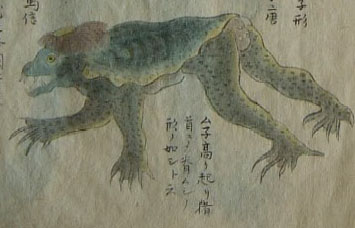
4003. Kappa Lair: Two rocky promontories rise here, home to peregrine falcons. The promontories hide a stony hollow that contains a slightly brackish pond. Small caves in the sides of the rocks hold the bodies of tall humans with oblong skulls covered in platinum leaf and wearing robes of platinum scales. Each such mummy is easily worth 500 gp due to all of this platinum. The brackish water is home to a gaggle of seven kappa who lounge beneath the water’s surface during the day and emerge at night to hunt and cause mischief, for many foreigners believe the promontories to be an excellent campsite and make the mistake of staying the night. The kappa know well enough to leave the platinum-clad bodies alone. Those who disturb the bodies find themselves attacked that night by a luminescent, silvery orb that descends from the sky, attempts to destroy any burglars and then disappears.

4038. Teming: This small village of farmers is situated in a deep valley flanked by steep granite walls. The village consists of thatched cottages and a tea house of reddish bricks. The people collect their water from natural cisterns atop the granite cliffs, piping it down through a series of clay pipes into a central reservoir. The villagers grow rice, horseradish, peppermint and red mulberry trees.

Teming is ostensibly ruled by Qutli, a heavyset man with a face like a sated pig and misty green eyes that show his romantic side. Qutli lives with his sage uncle Nizanq, and both men are terrified of outsiders entering the village. Teming is defended by a squadron of shashu no ashigaru and three apparently tamed tigers that have the run of the village. The tigers are actually villagers that were polymorphed by the yawahu bugbear Bekta [4039], who truly rules the village.

Yun-Bai-Du Sideview

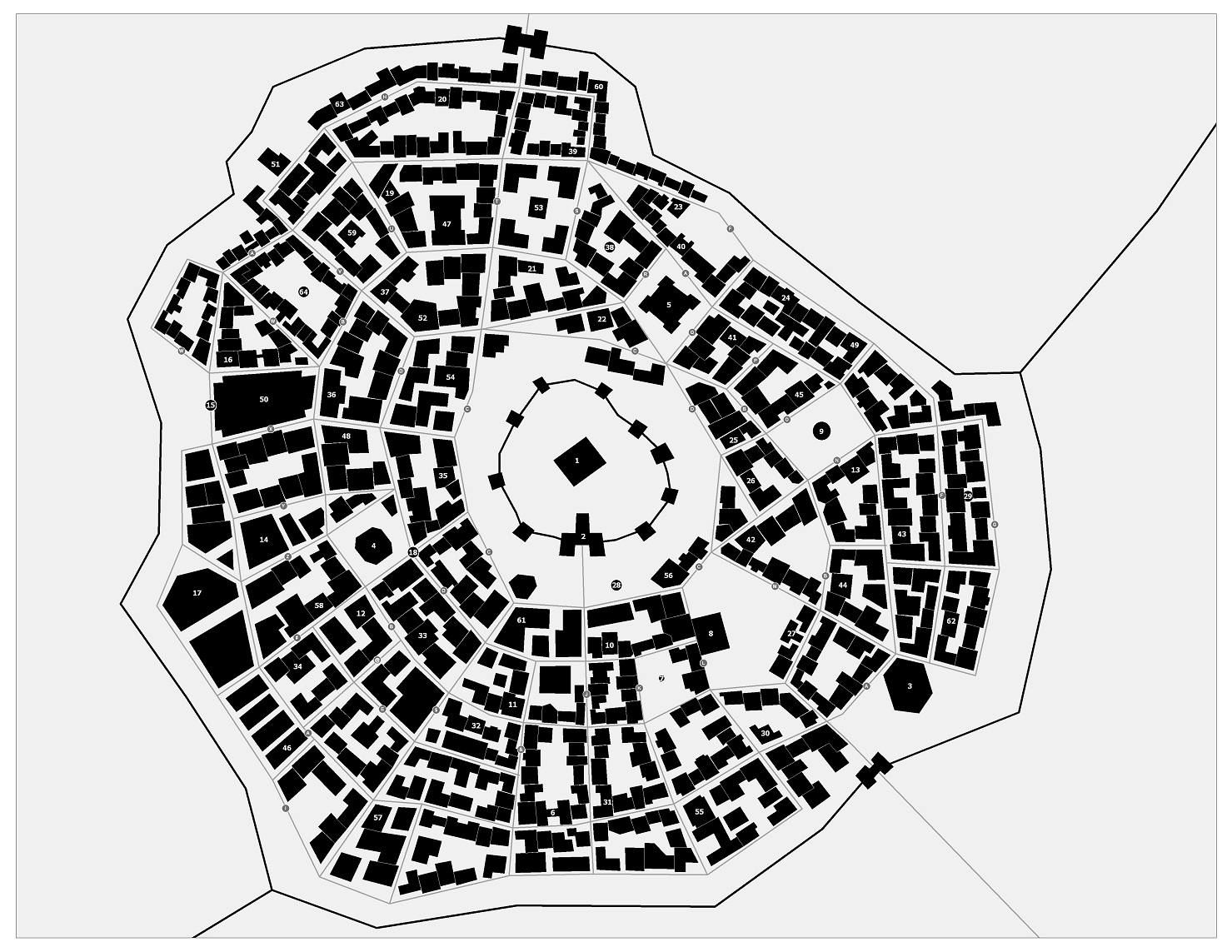
Finally got a moment to draw the sideview of Yun-Bai-Du. (1) corresponds to a royal palace and (2) to the upper fortress of the sohei of the Splendiferous Tiger King. The other divine mountains are similar in profile. A great wall connects these eight mini-cities to one another, with the interior flat land serving as grazing land for the King of the Yun.

And, just for fun, a couple more locales.

44. Barge Captain: This single-story brick house with the overly ornate roof belongs to Muhisim, a youthful barge captain who operates primarily between Yun-Bai-Du and Artuk. A shameless womanizer, he has a family in each city, his local family consisting of wife Anaima and six children (four rugged boys, two equally rugged girls). In Artuk he is married to the wealthy (and old) Jarengi. Muhisim is built like a panda bear and always maintains a neat appearance, even when plying the filthy canals of Mu-Pan. He considers the gods to be a sham and makes sure to mock priests constantly behind their backs. Besides his collection of wives, Muhisim also owns a collection of exotic monkeys from the southern jungles.

48. Apartment: This single-story brick building with a bowed roof is divided into four apartments. It is owned by Noyorbelu, a young woman with vibrant skin and eyes as bold as a stormy sky. Short and pretty, she owns several buildings in this area, making her money renting them out. Though one would hardly suspect from the looks of her, Noyorbelu was once a queen among the wako of the eastern coasts. Deposed in a mutiny, she managed to find her way back to civilization after seducing first a shark man called Kidaki and then his lord, the gold dragon called Chaachingh. Noyorbelu has a magical trident hidden beneath the floor boards of one of the apartments. It is still sought by the dragon, so she does not wish to have it too close to her own domicile.

Naming Yun-Bai-Du’s Streets

Time to name some streets. I noted them on the map using letters, since writing the names on the streets can be a pain and sometimes the darn things obscure the buildings.

In Yun-Bai-Du, you have the long, circular streets that wind around the divine mountain and then the smaller streets that slope down from the mountain to the outer wall.

A – Street of the Earthbound
B – Way of the Dragon
C – Sublime Path of the Tiger King
D – Street of the Ninefold Virtues
E – Nine Dragon Road
F – Street of the Eastern Wall
G – Street of the Most Low
H – Splendid Abundance Street
I – Street of the Western Wall
J – Tiger King Road
K – Street of the Yellow Swordsman
L – Street of Jubilant Spirits
M – Street of the Black Tortoise
N – Street of the Golden Rabbit
O – Peaceful Flower Road
P – Road of the Five Manifold Thunders
Q – Street of the Unflinching Stone
R – Street of the Slumbering Warriors
S – Filial Piety Street
T – Northern Gate Street
U – Golden Promise Street
V – Street of 10,000 Monkeys
W – Street of the Blessed Peach
X – Calligrapher Street
Y – Street of the Wondrous Maiden
Z – Street of Elemental Truth
# – Street of the Burning Red Star
@ – Street of the Prosperous Phoenix
$ – Street of the Jade Tiger
& – Silk Merchant Road

Yun-Bai-Du: City of the Clouds Part IV

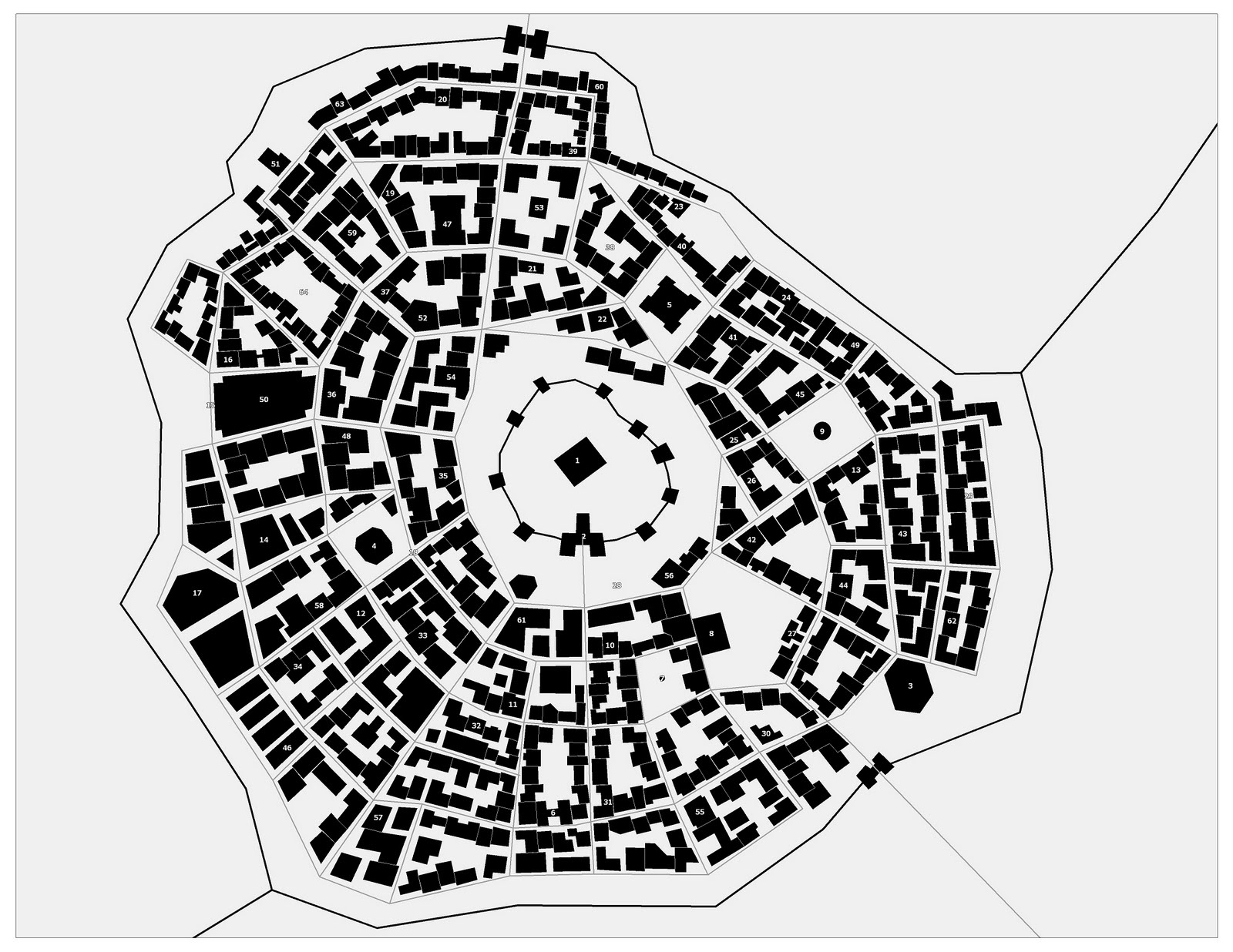
The map is finished except for the street names. By the next posting, I should have the street names in and a side view of this chunk of the city, which is constructed on the slopes of one of eight divine mountains. Here’s a few more locales …

29. Shanties: This low-lying, mucky area of the city-state is covered by a many shanties, the people living as beggars, thieves, fishermen and collectors of refuse. Many have benefited from aid by the Silent Hand, and the children of the shanties are a good source of information for those do-gooders. Notable among them is Juchidug, a recent arrival who claims to have been a captain of the Tiger Empress’ guard in Khatan. This is, in fact, an exaggeration, but he was a member of the royal guard and a favorite concubine of the empress. His indiscretions about his time in the palace and his stories of the empress have reached the ears of Buga [63], and his eventual death at the hands of an assassin is assured.

33. Armorer: The doors of this 2-story brick building have been closed and locked for over a month now, opening only to admit stores of food and fresh water. Smoke billows from the chimney night and day, and people wonder at the presence of a strangely beautiful man in robes of the deepest dye and fringed with the feathers of a white crane. The building belongs to Oorchin, a master armorer of Yun extraction who is very tall and quite fat, with hard eyes and a square jaw. Fearless and haughty, Oorchin has never been shy in bragging of his skills, and the shugenja Kuzhaidan has taken him up on his boasts and has ordered him to complete an enchanted wakizashi. The finished weapon is intended to be a +1 weapon capable of launching arcs of flame when swung. A piece of jet has been shaped into the form of a skull and will be implanted in the hilt of the weapon, while an essence of efreet blood is to be injected into the length of the blade. Kuzhaidan does not permit visitors, other than the aforementioned deliverers, and he allows Oorchin only brief naps – the armorer now regrets his bragging.

40. Healer: This three-story building has lovely wooden accents, carved in the shape of raccoon dogs and cobras. The bottom floor is a parlor of sorts, with a small pantry and kitchen attached. Here, the resident of the house, Temyshid the Healer, entertains prospective patients and friends on red velvet couches around a teak table, also richly carved. Stairs hidden behind a tapestry give access to the second floor, Temyshid’s operating chamber, where she provides such services as acupuncture and minor surgery. She is assisted by her husband, Kaik, a pleasant little man who uses too much cologne. The third floor contains the family living quarters, a chamber for Temyshid and Kaik and another for their four children, as well as a short hallway lined with shelves of glass jars and bottles containing medicinal compounds, herbs and a few odds and ends taken from former patients. Temyshid is younger than her husband, and entirely too bright for her own good. She has golden skin, black hair and blue eyes, with a neat, scholarly appearance. Although a healer, she is unfeeling and immoral.

Yun-Bai-Du: City of the Clouds Part III

Another edition of Yun-Bai-Du, finally with a complete (well, 90% complete) map – I still need to put some numbers on it.

Spice Merchant: Sari is a graying Meng merchant who runs caravans between Yun-Bai-Du and Tetsukado, the southern colony famous for its pepper plantations. Very short and thin (outlanders sometimes mistake him for a tall halfling), the plucky merchant has made numerous journeys himself, but now leaves the adventures to his three sons, Toli, Qai and Mayn. Sari’s wife died many years ago, and he now entertains himself with a number of pleasant concubines. Sari is an immaculate man, and his 4-story, 20 room manse is no different. Much of the furniture is teak, with velvet cushions in a variety of vibrant colors. Callous and avaricious, Sari is a devotee to the lords of chaos, and his cellar contains a shrine to Mung, the Lord of All Deaths.

| Sari: HD 6 (22 hp); AC 9 [10]; Atk 1 weapon (1d6); Move 12; Save 11; CL/XP 6/400; Special: None.

Opera House: This large, beautifully decorated opera house is one of three in Yun-Bai-Du. The building is two stories tall and has a footprint measuring 100 ft x 100 ft. The interior consists of the stage/performance area (which measure 60 ft x 60 ft) in the center of the building and around it two stories of storage rooms, dressing rooms, lounges and offices. The performance area consists of a number of sunken boxes in which spectators stand surrounding a square stage. Balconies ringing the room are provided for noble and royal visitors, along with chairs and a steady stream of servants carrying trays of viands and goblets of wine. The house is administered on behalf of the king by Inasar, a fat mandarin of Yun extraction with heavy eyes and a sibilant lisp. Inasar is an unforgiving taskmaster with the staff of the opera house, but he fawns upon the talent, all the while entertaining less than moral thoughts about his star performer, the lovely Madame Ijing, a graduate of the Imperial Music Bureau and a favorite of the deposed Tiger Empress.

Hanging Garden: The street here goes through an ancient hollow. One either side there are embankments covered with flowering vines that hang over the lane, filling it with sweet perfume. Several wooden pegs at the lowest point allow one to cross a trickling stream that runs beneath the embankments. The hollow is inhabited by a tribe of fairy dragons. The dragons dwell in the clumps of flowers, but always descend to investigate intruders and maybe play pranks on them.

| Fairy Dragon: HD 2; AC 4 [15]; Atk 1 bite (1d4); Move 9 (F36); Save 16; CL/XP 5/240; Special: Breath weapon (5-ft cone of confusion), spells (4th level shugenja), invisibility, magic resistance (10%), telepathy (2 miles).

Yun-Bai-Du: City of the Clouds Part II

Now with 100% more map!

The map is still in the rough stages. Here are a couple more locales to go with it.

2. Fortress of the Splendiferous Tiger King: The fortress monastery at the base of the Mountain of the Splendiferous Tiger King is 60 feet tall and composed of sloped walls topped by twenty towers. Each tower rises 20 feet above the top of the crenelated wall and has two levels of sloping red tile roofs. The fortress has an outer gate that is inlaid with red marble and massive iron doors featuring a bas-relief of the Splendiferous Tiger King riding a tiger and dueling a trio of swamp hags to rescue his future wife, the maiden Qorian of the Amber Eyes. The inner gate leads from the mountain to the meadows, and resembles the outer gate in every detail save the gates are smaller and made of thick wood fortified with iron bands.

As with all the priests of Yun-Bai-Du, the sohei of the Splendiferous Tiger King are women. Called the Tiger’s Daughters, they wear red robes embroidered with golden tigers on the sleeves over their armor and are known for the black paint they use to decorate their faces in the manner of a tigress. The Tiger’s Daughters wield long-handled iron claws (deal 1d6 damage) and tachi. Atop their walls they wield repeating crossbows and baskets of stones and iron balls that they can pour down on their enemies. Their fortress is connected to the fortresses of the sohei of Darting Sparrow King Mountain and Crashing Thunder Emperor Mountain (with whom they share a profound enmity). These long walls are 40 feet tall and every 50 feet have a 60 foot tower marble studded with small iron spikes, many of which are electrified. These walls and towers are manned by the royal guard of the White Sage King (which includes many low level shugenja) and the elite archers of the Chiwa Brotherhood.

The inner gatehouse is connected to the nunnery of the Tiger’s Daughers. Since the sohei (as with all the gatehouse sohei of Yun-Bai-Du) keep 25% of the tolls collected at their gatehouses, their nunnery is quite luxurious, with extensive use of marble and oiled teak and many statues of ivory, gold, brass and marble. Their dining hall is lined with long, low tables of polished oak, with velvet cushions and silver bowls and goblets. The exercise chambers of the sohei are floored with supple bamboo and have padded walls. Most spectacular is the inner sanctum of their temple, where they keep a gold statue of the Splendiferous Tiger King mounted on his war-tiger. The tiger is decorated with orange sapphires and inlaid with black jade, while the King is garbed in rich silks.

The roof of the nunnery is planted with lush grasses. Here, the nuns rear sacred red deer for sacrifices at the altar of the immortal king. The beasts are slain by the abbess Sarighin using bagh nakh to tear out its throat. The blood is collected in a terracotta jar and boiled over a sacred flame. The jar with the dried blood is then filled with wine and drank by all the sohei, while the deer’s carcass is prepared with rice noodles and served to the folk who enter the outer gate and give an offering and prayer to the Splendiferous Tiger King. The antlers are ground into a powder that is sold as a medicine.

5. Temple of Agrodaur: Boldashar is the high priestess of Agrodaur, the implacable, unresponsive god of law and defense. Her temple is a six-story pagoda constructed of cut stone blocks, polished white oak and steel roof tiles traced with silver. The heart pillar is made from blessed granite. This pillar also serves as the idol of Agrodaun. The pagoda is approached via four paths paved with red stone and lined with guardian statues (bronze) of famed soldiers of the empire. Between the paths there are rock gardens tended by halfling slaves taken from the Golden Steppe by the Ulu-Than nomads. Surgeries performed by the priests keep the slaves docile and obedient. The priests of the temple dress in robes of white silk and tall silk hats bearing numerous black tassels.

Beneath the pagoda of Agrodaur (or beneath its rock gardens, to be precise) there is a subterranean ossuary containing the bones of sohei who died in battle. In these halls, the bones are placed on shelves and given every reverence by the priests of the pagoda. The ossuary halls are circular and formed like a labyrinth. At the center of this labyrinth is the exposed heart pillar, here carved in the shape of a coiled dragon and bedecked with jewels worth 17,000 gp. The entire chamber is riddled with razor-sharp, invisible blades. To get to the central pillar and then exit back into the labyrinth, one must know the proper combination of steps and do them precisely. Otherwise, each step taken into the inner sanctum inflicts 1d8 points of damage and forces the person to step back. A person has a 1 in 6 chance of taking a safe step even if they do not know the proper combination.

Once one has reached the dragon sculpture, they might notice that the dragon’s taloned hands are actually manacles and that the altar is stained with blood. Further investigation reveals channels and holes in the floor around the bottom of the idol. One of the dragon’s fangs pivots. If turned right, the fang causes the blades in the room to animate (per the blade barrier spell). Turning it left causes the floor around the idol to turn into a polished chute. The chute delivers people to a secret chamber 40 feet below the temple onto a small island in the middle of a subterranean lake.

This lake is cold and black and sits in a large volcanic cavern 1 mile in radius. The walls of the cavern are riddled with caves that extend another two to three miles into the underworld. The lake and caves are home to all manner of aquatic horrors, from albino electric eels to a rare breed of blind aquatic hobgoblins with translucent skin and long, black horns placed in their foreheads. The island in the middle of the lake is of particular interest. It is formed of basalt and carved by human hands into a platform with a well in the center. Examination by dwarves or engineers will reveal that the blood holes in the inner sanctum above would send that blood dripping into the well. In the bottom of the well there is a pulsating cyst that looks as though it is encrusted with thousands of bloodstones. This cyst contains the slumbering form of the demon Daldis. Daldis hungers for halfling blood and needs approximately three more sacrifices (made at the new moon) before she will awaken on the material plane as the herald of Chaos. In her complete form, she appears as a tall woman with a curvaceous body, glistening black skin, a sharply pointed chin and skeletal hands that end in long talons. She has shining green eyes that can open gates in walls three times per day, allowing up to 10 HD of demons (or a single demon prince) to enter the material plane before the gate collapses. Around her neck she wears a necklace of halfling skulls lacquered with green paint. Boldashar is her high priestess and the sohei of the pagoda are her devout cultists. The birthing well is tended by mogura-jin (mole men) who travel to it from their subterranean lair via boats made from the dried remains of purple worms.

Yun-Bai-Du: City of the Clouds Part I

I’ve been holding off posting any previews of Yun-Bai-Du, the Mu-Panese city-state that will appear in NOD 9 later this month (well, hopefully this month). I haven’t actually drawn the map – though I do have it stored in my brain and hope to finally put the thing down on paper (or pixel) soon. In the meantime, enjoy a few sample locations.

The Bronze Rooster: This restaurant is so named for the fierce bronze roosters that decorate the corners of the roof. The restaurant is a two-story structure set atop a brick platform with a comfortable patio. The patio has wicker chairs that are usually occupied by the old men of the neighborhood smoking long clay pipes. The patio is decorated with terracotta pots overflowing with chrysanthemums and jasmine.

Beyond the door one enters a generously sized room with four large tables, each table capable of sitting ten people. The restaurant is run by Banaikht, a neat young man with saffron skin, dull black hair and striking blue eyes. Aloof and artistic, he regularly glides through the room overseeing the waiters and ensuring they are showing their customers every courtesy and then moseys through the kitchen sampling the cooking and giving brief, terse instructions to his chefs. Banaikht is married and has three young children, though wife and children never appear at the restaurant save for when she has them in tow on one of her shopping excursions. Banaikht is both chaotic and deeply impressed with fortune tellers and magicians.
The restaurant specializes in duck, serving it in several elegant and tasty ways, and is also well known for its excellent stock of wine (some imported from as far away as Lyon) and dragon fruit imported from the margins of Terra Obscura to the southwest.

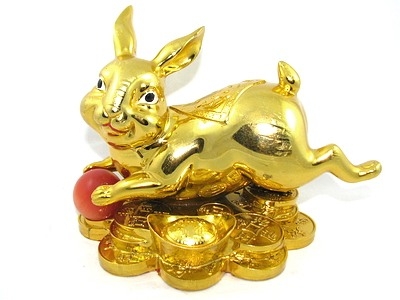
Court of the Golden Rabbit: This brick courtyard is usually filled with a bazaar with booths selling exotic fruits and spices from the south. The bazaar is noisy and wonderfully fragrant, and is usually patrolled by two yari ashigaru. A brick shrine dedicated to the rabbit god Hu Tianbo is set in the middle of the bazaar and tended by a hoary old priest called Dawa. The shrine contains a brass idol of the Rabbit God, to which petitioners, always homosexual men, make offerings of chowed pork intestine and wafers of sugar. Dawa writes charms on pieces of paper and supplies them to worshipers for 1 sp each. The charms may be placed under one’s bed to bring luck in love.

One booth in the corner of the bazaar might be of especial interest to adventurers. Qan, an alchemist’s apprentice, sells small rockets and firecrackers there on behalf of his master, Temubo, who dwells elsewhere in the city. Qan is a mousy man with bad hair and severe acne, but he is quite knowledgeable about his stock and fancies himself dangerous with the ladies.

The court is surrounded by several spice exchanges run by Meng merchants. While shoppers purchase fruit and spices in the bazaar below, the spice merchants shout trade with one another up above using trained monkeys and pigeons to carry their orders and rolled up notes of exchange.

Temple of Genbu: Genbu is a folk deity. Also called Invincible Warrior of the North, he is represented as a giant black tortoise of terrible demeanor – spikes on tail and neck, tusks jutting from mouth. The temple is made of black bricks and has terrifically sloping roofs coated in tiles of bronze stamped with glyphs of warding. The building has but a single story and consists of an inner sanctum surrounded by apartments for the priests and storage and an antechamber where worshipers can leave offerings of cabbages and river stones and make prayers to the deity. The floors of the temple are all bare earth. The inner sanctum holds a hepatizon idol of Genbu and is mostly given over to a large pit in which resides the living idol of the temple, a massive tortoise that, though not black, corresponds in most other respects to the idol of Genbu. A wooden ramp allows access into the pit, and though the tortoise is rather fierce with outsiders, he is used to the priests. At night, he is taken from his pit, which is then covered by an iron grate, and permitted to roam the inner sanctum. Tunnels leading from the pit go to three burrows in which dwell females of the same species – Genbu’s harem, one might say. Once per year, a sacred red cow raised on a monastery outside the city is brought into the temple as a sacrifice to Genbu.

The cult of Genbu has about 250 avid followers in Yun-Bai-Du. The temple is under the command of Alasuja, a priestess of Kirikersan extraction, and home to 12 lesser priests. Alasuja has reddish-brown skin, dark brown hair that is always kept covered by a red scarf and blue eyes. Her appearance is always immaculate, and usually overbearing.

Image from HERE.

NOD 8 On Sale Now!

Finally finally finally!

Enter the land of the Dragon Chans! This issue presents a sandbox hex crawl inspired by the folklore and literature of Asia, as well as a new class, the wushen, options for warriors, many new monsters and a pantheon based on Lord Dunsany’s Gods of Pegana. 104 pages.

Articles are:

A Bevy of Bujin – options for customizing the bujin class

The Wushen – a sohei sub-class for Ruins & Ronin
 
Land of the Dragon Chans – the hex crawl, Asia-style

Monsters of Mu-Pan – 42 new monsters for your favorite old school game

Gods of Mu-Pan – a pantheon based on Lord Dunsany’s Gods of Pegana.

Print version is $10 (apparently Lulu failed its save vs. inflation)

E-Book is $3.50

I haven’t received my print version yet, so buyer beware.

Mu-Pan – Encounter XXV

Ah – the final encounter preview! Enjoy …

3718. An ancient town stands by the side of the river. It once held a fine market, but the arrival of a ghostly leopard has driven most of the population away, as it devoured the hearts of their animals without leaving a mark on them. The town is surrounded by a thick stone wall with a most impressive carved gate that looks like the open maw of a celestial tiger. The village now houses 100 woodsmen and their elder, Hengoutoq and her daughter, the healer Sukouay. Hengoutoq is a tall, elderly woman in lavender robes. She has haunted gray eyes and frizzy silver hair that falls to her waist. She acts as though quite meek, but in fact has called the ghost leopard (a totem of her ancestors) to punish the townspeople for their decadent, corrupt ways. Her daughter is curvaceous and terribly beautiful, and knows not of her mother’s actions.

| Ghost Leopard: HD 9 (38 hp); AC 0 [19]; Atk 1 bite (2d6 + level drain); Move 18; Save 7; CL/XP 11/1700; Special: Drains one level with successful bite attack, no save.

Image from Wikimedia Commons via Creative Commons 3.0 license – taken by Rolf Müller

Mu-Pan – Encounter XXIV

Well, just one more sample after this – 10 more encounters to write and then lots of work on finishing up NOD 8.

3634. A band of wild men with bushy hair and the legs and horns of goats dwells in these wooded hills, harrassing travelers. The men collect ribbons or the hems of robes and tie them in their hair. The folk have a thorough knowledge of the area and, if given gifts of saki and ribbons, are happy to become guides (though their mercurial personalities keep them dangerous). At least twelve of them can summon a great earth tortoise whose shell, composed of hexagonal slabs of granite marked with runes, measures approximately 30 feet in diameter. The tortoise can swim through earth and stone, with passengers crawling down its tunnel of a throat into its gem encrusted belly. Should anyone be foolish enough to try to steal a gem, the tortoise will never allow them to leave, coughing up their shriveled corpses a few years after they have died.

| Wild Man: HD 6; AC 4 [15]; Atk 1 slam (1d4) or cudgel (1d6); Move 9; Save 11; CL/XP 8/800; Special: Summon earth tortoise, spells (confusion 1/day, transform 1/day), magic resistance (30%).

| Earth Tortoise: HD 12; AC 0 [19]; Atk 2 claws (2d6), bite (4d6); Move 9 (S12); Save 3; CL/XP 12/2000; Special: Immune to sleep and paralysis.