Personal Quests – The Test of Faith


The test of faith is a personal quest designed for lawful characters (or good characters, whichever version of alignment you use in your game). I’m sure somebody out there can modify it for other alignments, but for now I’m sticking with the good guys.

Step One: The lawful character challenges his deity or faith to test him. Test him down to the marrow in his bones to see if he is truly worthy. The petitioner must wager wisdom points (a minimum of 4) on this personal quest. Each point of wisdom wagered translates into either one month, or one game session, of the test (referee’s choice). During these months, normal XP acquisition is suspended for the character.

In place of normal XP acquisition, the petitioner earns XP for lawful/good acts. We’re talking acts of sacrifice, generosity, caring, love (not lust), etc. The XP value is based on the object of this lawful act, with clerics and paladins (and perhaps rangers, depending on the rules you use) earning double the XP because the stakes of this test are much higher for them.

Close friend or family = 50 XP x level

Associate = 100 XP x level

Stranger = 200 XP x level

Stranger, helpless = 300 XP x level

If the lawful act directly benefits the petitioner, cut the XP in half.

Step Two: The test involved here essentially works like a curse (and one than cannot be magically alleviated, since the petitioner entered into the test on their own volition). Every time the petitioner performs a lawful/good act, they are beset by a misfortune.

During the first month/session of the test, these misfortune’s are fairly minor annoyances – food going bad, a piece of equipment is lost or damaged, they trip over something and make a fool out of themselves. You get the idea. All of these misfortunes affect the petitioner.

During the second month/session of the test, the misfortunes are magnified and more mechanical – penalties to saving throws or attack rolls, weapons or armor breaking in the middle of a fight, etc.

During the third month/session of the test, the misfortunes begin to affect the petitioner’s allies (i.e. party members, henchmen, hirelings). The misfortune’s might be as above, or might be things like surprise diseases or house fires. Each time such a thing occurs, there is, obviously, a good chance an NPC becomes hostile to the petitioner and abandons them. The actions of party members are up to the players, of course.

During the fourth and subsequent months/sessions of the test, the misfortunes begin plaguing random strangers (could be a child, could be a powerful king) in the city or kingdom or region the petitioner is adventuring or living in. Word of the petitioner’s test will have spread, of course, so it is likely that the victim of this misfortune will know who to blame. It’s also very possible that every misfortune will be blamed on the adventurer. Needless to say, these are going to be rough times.

Fortunately, there is a way out …

Step Three: To stop the misfortunes, the petitioner need only renounce his or her god/goddess/faith, publicly and loudly. The adventurer’s alignment is changed to neutral, and all benefits from the lawful alignment are lost (i.e. clerics lose all spellcasting ability, turn undead, paladins become normal fighting-men, etc. – it’s up to the referee if the petitioner can atone to regain his alignment and abilities) The petitioner loses the wagered wisdom points (they have lost their faith), and these cannot be restored by any means.

If, on the other hand, the petitioner survives this test of faith, they receive half as many wisdom points as they wagered as a permanent boost to their wisdom (max. 18) and begin attracting 1d6 zealous followers to their flock each time they advance one level. These followers are in addition to normal retainers allowed by charisma and in addition to followers gained when one builds a stronghold. The adventurer is now known far and wide for his faith, but he might also be despised for the trouble he has caused and have to work diligently to make things right.

Monday – the Test of Intelligence

Personal Quests in Fantasy RPGs

D&D and its many clones is an excellent rule set for exploring dank dungeons and recovering great treasures. Not surprisingly, many folks, inspired by fantasy literature of all stripes, want something more than this. Of course, the old rules don’t explicitly support other styles of play, but they don’t discourage it either – most simply require more interaction between the Referee and players outside the rules, or perhaps a tweaking of the rules (i.e. use find secret doors rules to find clues, such as the blood stains on the hem of the countess’s dress – perhaps she killed the archduke!)

That being said, I think what some players, especially players who approach the game as less of a game and more of a mutual imagination society, want is character development. John Carter wasn’t just a guy running around killing martians – he was driven by his love for Dejah Thoris. Emotional goals can be difficult to model in a game that is driven by the primary reward of experience points, which are typically earned by slaying monsters and finding treasure. For some, the answer is “story awards”, which work well with a group of very like-minded players, but story awards can be off-putting to folks who just want to play the core game concept (i.e. “I don’t want to explore Rogar’s childhood, I want to see what’s beyond that glowing portal – I’m only 10,000 gp away from a down payment on my castle!)

The following ideas attempt to reconcile these disparate play styles, creating an environment where players who want to develop their character’s fantasy lives a bit more can do so without requiring solo play or forcing them to either forgo earning XP along with the others, or giving them bonus XP that will make the others a bit jealous. The system is just a thumbnail, really, and it is completely untested. Think of it as a notion and set of guidelines more than a fully realized set of rules.

Personal Quests
Personal quests are designed to test a character emotionally. In essence, it shifts their play rewards, for a time, from the traditional means of gaining XP to an alternative method of gaining XP. These personal quests are meant to work alongside normal play, though they will, of course, disrupt it to some extent – the player who wants to send his character on a personal quest should first discuss it with the other players, and of course, with the Referee, and get their buy in.

The basic structure of a personal quest is as follows:

Character declares he is undertaking a personal quest

Player wagers some ability score points on the success of his quest

While on the quest, the character earns no XP for normal adventuring, but rather earns XP for accomplishing the quest

Failure means a loss of ability score points and XP

There are three types of Personal Quests (though I’m sure others could devise other quests): Quests of the Heart, Tests of Faith and Quests of the Mind.

Quests of the Heart
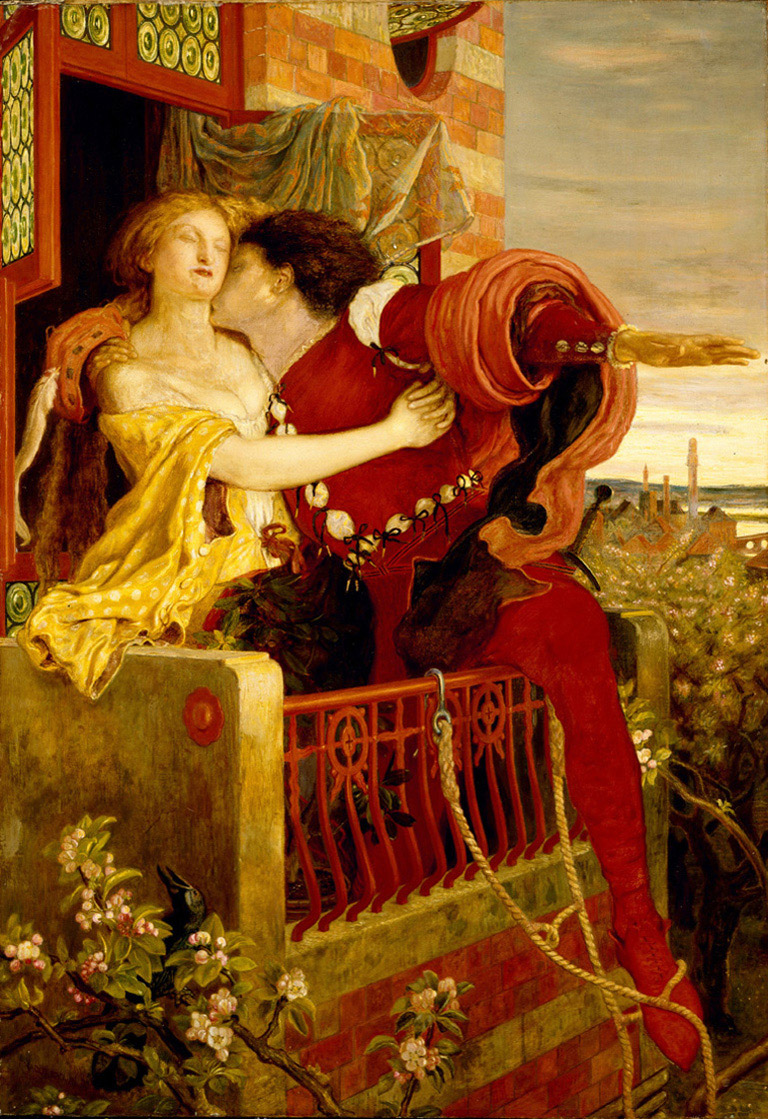
Quests of the heart involve romance. Since I’m a heterosexual man, I’m going to describe these quests in terms of men pledging themselves to women; your mileage may vary, and I think the rules of love are applicable to women pledging themselves to men, men pledging themselves to men and women pledging themselves to women, perhaps with some tweaking.

A quest of the heart involves a man becoming cognizant of the most desirable woman in the city/kingdom/world, etc. He decides that he loves her, and more importantly decides that he must make her love him.

Step Zero: The Referee must create a desirable woman as an NPC. She should be beautiful, physically, mentally and spiritually – we’re talking Cyrano and Roxanne here, not the playmate of the month (though I don’t know any playmates personally, so I really shouldn’t comment on their mental and spiritual beauty).

Step One: The man must introduce himself to the woman. Of course, there are any number of ways to do this, depending on the woman’s station in life. This shouldn’t be entirely easy, and while it may be a quick solo move by the character, it could also involve him getting help from his friends or from friendly NPCs. This can be as debonair or devil-may-care as the player wants, but on some level it should be romantic.

Once the man has made his introduction, he must declare (perhaps before witnesses, perhaps before the woman alone) that he loves her and will earn her love in return within the span of one year and one day. The woman will regard this proposal somewhat coolly – after all, if she melts into his arms now, there isn’t much point to the quest, and a woman worth having should be hard to get – but will show at least some interest. In return, she will place her hands on his cheeks and whisper to him a geas (per the spell) that will govern his actions during his quest. The geas can be as whimsical or cruel as the Referee thinks is appropriate for the woman he has created.

Step Two: If the woman is the most desirable woman in a village or market town, she must have a charisma of at least 16, and the man who loves her must wager at least 4 points of charisma in his quest to win her love. If the woman is the most desirable woman in a great city, she must have a charisma of at least 17, and the man who loves her must wager at least 6 points of charisma on his quest. If the woman is the most desirable in the kingdom or region, she must have a charisma of 18 and her suitor must wager 8 points of charisma. If she is the most desirable woman on a continent, she must have a charisma of 19 (yes, beyond the human norm) and her suitor must wager 10 points of charisma on his quest. If she is truly the most desirable woman in the world, she must have a charisma of 20 and her suitor must wager 12 points of charisma on his quest. A suitor cannot wager so much charisma that failure would bring his score below 3. The desirable woman, of course, should also have above average scores in wisdom and intelligence, and might have other high scores as well.

The potential loss of charisma points represents the suitor’s broken heart. Failing to gain the love of his love, life becomes a dark, dreary, pointless place, and he finds it difficult to carry on around others. Life loses its luster and flavor. Ability score points lost on a personal quest cannot be restored – not even with wishes. The player chose to risk them, and there should be no avenue to mitigate this risk.

Step Three: While on his personal quest, the suitor earns no experience points from normal adventuring (i.e. monsters and treasure). He does, however, earn XP for completing his quest, as follows:

Most desirable in village/town – 5,000 XP

Most desirable in city – 10,000 XP

Most desirable in kingdom – 25,000 XP

Most desirable on continent – 50,000 XP

Most desirable in world – 100,000 XP

Adjust these values as you like.

Step Four: The quest is completed when the suitor earns from the woman he loves a kiss of true love (see The Princess Bride if you’re fuzzy on this concept). At least some of this quest involves acting on the part of the player and referee – if this makes either uncomfortable, then a personal quest of this kind is not going to work. Of course, since this is a game, there are also some measurable aspects to the quest – this is heroic fantasy, of course.

The suitor must complete at least three tasks/sacrifices to win his lady’s love:

One of these tasks is the giving of a wondrous gift. Wondrous does not necessarily mean valuable, though if it does, the value should be no less than a fifth of the XP value of the quest in gold pieces (thus 20,000 gp for the most desirable woman in the world). If a gift holds a deep meaning, it need not carry any monetary value at all.

Another task is a test of wits. The player must write a love sonnet (no copying!). The sonnet must be delivered, in character, at the gaming table and must be judged by those assembled. Hey – love hurts, folks, and we aren’t talking hit point damage here.

The final test is one of the body – risking death for the hand of your beloved. This, of course, sis more in line with traditional D&D, save your risking it all for a woman’s heart than a box of coins. The final test must be meaningful to the woman – rescuing her father, who was lost at sea, finding her long lost brother, who might be a bandit in the hills, recovering her family’s magic sword from a dragon’s horde, restoring her mother to her rightful place as queen, venturing into the underworld to bring his love back after she was poisoned by a jealous rival. The difficulty of the quest should be commensurate with the level of the character’s involved – a 12th level lord shouldn’t get off easy just because he’s “only” trying to woo the most desirable woman in his manorial village.

If these tasks have been completed successfully (with the help of the others in the party, of course, but the key player must always try to take the lead) and the role playing has been good, the player may return to his love and again pledge himself to her on bended knee. If she kisses him, he is hers and she is his and true love triumphs. The successful suitor earns the XP, increases his charisma by half as much as he risked (max score of 18), and the character now has a very concrete connection to the game world. If he should ever lose his love, he loses those charisma points earned and wagered and loses the XP earned on the quest – once John Carter wins Dejah Thoris’ heart, he is forever bound to her, after all.

Tomorrow … The Test of Faith

How Much Fight Left in the Fighter?

This is just a silly notion for giving players one more thing to worry about (and wager on) during a game. I won’t claim is shockingly original, but it might prove enjoyable.

First and foremost, players stop tracking their hit points (or ability score points, in terms of suffering penalties and damage to them). Instead, the referee alone will know exactly how many hit points a character has left.

Now, making players go into a fight blind would be silly. After all, a person involved in a fight has at least some idea of how much fight they have left in them – how tired they’re getting, how much pain they’re in, etc.  But without knowing exactly how many hit points a character has left, it is harder for players to do the “bugbears deal about 4 points of damage per round, and with my platemail and shield and their 3 HD, I figure I can last 3 more rounds” calculus. This is where the wager comes into it – do I need to retreat or switch tactics, or can I outlast this bugbear bastard? Do I feel lucky? Well, do I punk?

To model the character’s knowledge of how much fight they have left, the referee instead throws out descriptive language based on the total number of hit points a character has left, cross-referenced to the potential damage his or her opponent is capable of dishing out.

There are really two uses of language here – one to communicate how much damage has just been taken, and the other to communicate how much is left.

First and foremost, we’re going to take a character’s hit point total and divide it by four to produce four zones. We’re going to throw some adjectives out for each of those zones to help the referee describe how a character is feeling.

Zone 1: 75-100% of hit points – Fresh, quick, confident, feeling lucky, vigorous, full of pluck

Zone 2: 50-75% of hit points – Breaking a sweat, blood warm, heart thumping

Zone 3: 25-50% of hit points -Struggling, winded, complaining muscles, mouth dry, feet heavy

Zone 4: 1-25% of hit points – Staggered, sucking wind, feel the icy hand of death, bruised and bloody, lungs screaming for air, lips flecked with foam, stomache churning, see the valkyries hovering overhead

One might also want to extend Zone 4 based on the total potential damage of the opponent being fought. For example, a magic-user with 6 hit points would have the following zones:

Zone 1: 6 hit points

Zone 2: 4-5 hit points

Zone 3: 3 hit points

Zone 4: 1-2 hit points

This is all well and good, but if the magic-user is fighting a monster that can do an average of 4 points of damage per round, it’s likely that the magic-user will know death is just around the corner once it hits zone 3, and thus worth while using the zone 4 language a bit earlier.

The above language gives an idea of how much life the character has left in them. How about how much damage is being suffered?

In this case, we relate the damage dealt to the movement between the zones. A hit that does not drop a combatant from one zone to another is a light hit. A hit that drops a character by one or more zones is a serious hit. The following language might prove useful:

Minor Hits: A near blow takes your breath away, you feel your opponent’s sword/arrow/etc. whoosh by your ears, your arm/leg/shoulder/etc. is nicked by your opponent’s weapon, your opponent’s blade tears through your cape/cloak/puffy sleeve, your opponent’s blow forces you to leap back/duck desperately to avoid being bloodied, etc.

Serious Hits: A palpable hit, skewered by …, slashed by …, a skull-rattling blow, a crushing blow, a near-mortal blow, leaves a trail of blood running into your eye, a buffet that echoes in your head as you scramble desperately back into your stance, etc.

Obviously, this means a 10th level fighter will be suffering far more minor hits than a 1st level magic-user. Just about every hit on the 1st level magic-user will be a serious hit (if it doesn’t kill him outright), which is as it should be. Those long, drawn-out sword duels seen in movies, as unrealistic as they are, are usually fought between mid- to high-level fighters (to use the parlance of D&D), not low-level types always on the edge of expiration.

So, let’s imagine a 3rd level fighter with 14 hit points fighting a bugbear.

The fighter’s zones are as follows:

Zone 1: 11-14 hit points

Zone 2: 8-10 hit points

Zone 3: 4-7 hit points

Zone 4: 1-3 hit points

In round one, the bugbear scores a point of damage on the fighter. The referee describes it thus: “You feel the monster’s morningstar whoosh past your head, but successfully dodge the blow. You feel confident you can best this foul monster.”

In round two, the bugbear scores no damage, and the referee says, “You repel the monster’s clumsy blows with ease, springing back and forth with vigor.”

In round three, the bugbear scores a big 5 points of damage, knocking the fighter’s hit point total down to 8 and into Zone 2. The referee now says, “Damn – a palpable blow from the bugbear, it’s morningstar slamming into your armored shoulder. You grimace in pain from the blow, and you can feel sweat beading on your forehead.”

The player should now be cognizant that the combat has shifted a bit.

In round four, another 3 points of damage are suffered, and the referee says, “The morningstar crashes into your helmet, blurring your vision for a moment and rattling your teeth. Your mouth is dry and your muscles complain at this workout.”

If the next blow takes the fighter down to 1 hit point, the referee might say, “Another crushing blow leaves a stream of blood running down your arm, weakening your grip on your sword. You feel the icy breath of death on your neck!”

Boxes and Chains

A couple magic items that popped into my head this weekend …

Bento’s Beneficient Box
Bento’s Beneficient Box appears as a simple wooden box, about 6 inches long, 4 inches wide and 3 inches tall. Each time it is opened, it is filled with one meal’s worth of food, the exact contents being random.

1 – Human meal – Tard tack and salt pork
2 – Dwarf meal – Thick gruel that tastes of dark, bitter ale, salty crackers
3 -Elf meal – Thin wafers (taste of vanilla and daisies) and a light salad
4 – Halfling meal – Meat pie and honey cakes
5 – Gnome meal – Mushroom stew and nutty cheese balls
6 – Orc mean – Grubs (still alive) soaked in bacon grease, something akin to pork rinds

The food is healthful and free of disease, but those who partake of it must pass a Fortitude saving throw (save vs. poison) or suffer the following side effects:

Human meal – +1 bonus to saving throws, inability to run away from a challenge for 24 hours

Dwarf meals – Knack for noticing stonework, become irascible and ill-tempered for 24 hours

Elf meals – Knack for noticing secret doors, become intolerably arrogant and snobby for 24 hours

Halfling meals – Knack for moving silently, become obsessed with food (consume double rations) for 24 hours

Gnome meals – Ability to speak with burrowing mammals, become an annoying practical joker and punnster for 24 hours

Orc meals – Knack for survival, become incredibly reckless and stubborn for 24 hours

Daisy’s Devious Chain
This item appears as a simple daisy chain that has been magically preserved. It is impossible to unravel the chain, and saves vs. damage as an adamantine item. The wearer of the daisy chain (helmets must be removed) gains magic resistance 5%, can discern creatures that have changed shape or that are capable of changing shape (such as lycanthropes or doppelgangers) and leaves no tracks in the wilderness. If the wearer of the daisy chain engages in battle with animals (not magical beasts), plant monsters or fey, the daisy chain animates and attacks the wearer. If fighting animals, the daisy chain becomes a constrictor snake; if fighting plants it becomes three assassin vines, and if fighting fey it becomes animated chains (per medium animated object). In all cases, the monster gains a free attack due to surprise (unless this has happened before, of course) and attacks with a +2 bonus to hit in the first round of combat. After the monster has been defeated, or after it has killed its wearer, it turns back into a daisy chain.

NOD 16 Published … And On Sale Even!

Dig it cats and kittens – I finally got NOD 16 up on Lulu.com for sale as a book and a PDF. And since I missed the big sale that ended yesterday, for a limited time you can get the book for 20% off.

This issue of NOD takes you into the jungles of Cush, the newest hexcrawl set in the Land of Nod. Also includes monsters from African folklore and mythology, the beastmaster PC class, an alternative super power system for Mystery Men!, mystic minerals and variant green dragons.

Book is $9.99 ($7.99 for a limited time)

E-Book is $4.99

Now I just need to get my ass in gear and write a couple Hex Crawl Chronicles and NOD 17 …

My Space Lover [Random Table]

Copyright Wally Wood

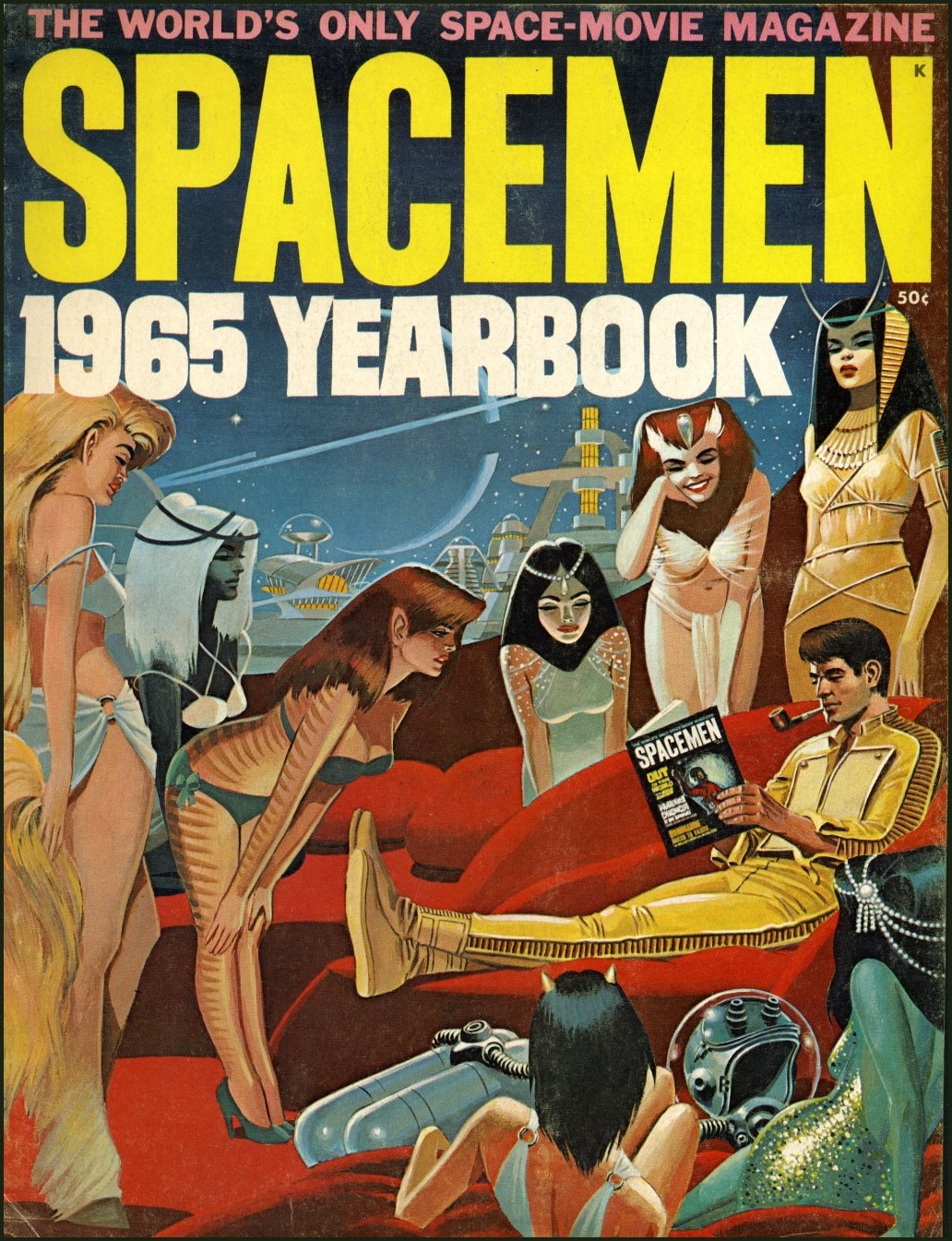
You’re a red-blooded starship captain. You’ve just finished kicking some alien ass and forging a star treaty with some energy beings who possess a mother lode of ioun stones, and it’s time to hit the Pleasure Planet for some R&R (i.e. rockin’ and rollin’). You hit the infamous House of 7 Sins and what do you find, but …

PHYSIQUE
Roll on the body configuration table and then roll to determine skin, hair and eye coloration. When you’re done, roll a few “other characteristics”. And remember – this table should work equally well for males and females …

Body Configuration (Roll d%)
01-64. Humanoid
65-79. Sex-Bot
80-89. Centaur (i.e. humanoid torso, head and arms, quadruped lower body)
90-99. Mermaid / lamia (i.e. humanoid torso, head and arms, serpentine lower body)
100. Tentacle beast (uses illusion to project more normal image – roll again; if 100, then it uses no illusions)

Skin Coloration (Roll d4)1-2. Color (see below)
3. Metal (see below)
4. Special Skin

Hair Coloration (Roll d6)
1. Bald
2-4. Color (see below)
5-6. Metal (see below)

Eye Coloration (Roll d4; 1 in 6 have eyes of different clors)
1-2. Color (see below)
3. Metal (see below)
4. Precious stones (ruby, sapphire, etc.)

Colors (Roll d12; 5% chance of a metallic version of the color)
1. Black
2. Blue
3. Brown
4. Green
5. Grey
6. Orange
7. Pink
8. Purple
9. Red
10. White
11. Yellow
12. Roll Again

Metals (Roll d3)
1. Copper
2. Gold
3. Silver

Special Skin (Roll d10)
1-4. Spots (roll again for spot color, cover D% of body)
5-8. Stripes (roll again for stripe color)
9. Two Tone (roll again for each half of body)
10. Lacks skin – just musculature and a mucus membrane to protect it

Other Physical Characteristics (roll d% as many times as you wish, or roll 1d4-1 times)
01-02. Acrobat
03-04. Amazonian (height = 1d4+6 feet)
05-06. Androgynous (hey, worked for David Bowie)
07-08. Animal characteristics (feline, snake, primate, squirrel, rodent, frog, avian, bat, canine, beetle, etc.)
09-10. Antennae
11-12. Big Anime Eyes
13-14. Bioluminescent (glow corresponds to emotions, brilliant light builds as excitement builds (blinding at orgasm), chromatophores and iridophores in skin (see cuttlefish))
15-16. Cartilage skeleton (i.e. bones not rigid)
17-18. Claws and fangs
19-20. Crab or lobster-like plates over skin
21-22. Cyclops
23-24. Dancer’s physique
25-26. Devil horns
27-28. Double-jointed
29-30. Elastic body (like Mr. Fantastic)
31. Electrically charged skin (suffer 1d6 damage at orgasm)
32-33. Faceted eyes
34-35. Frog-like tongue
36-37. Full-figured
38-39. Fur
40. Gills (needs to be submerged)
41-42. Head ridges
43-44. Hermaphrodite
45-46. Hot skin
47-48. Hypno-eyes
49-50. Instinctively changes appearance to a person from your past (illusion)
51-52. Large ears (round, pointed, etc.)
53-54. Levitation
55-56. Long, supple fingers
57-58. Mental powers (emotion control, ESP, suggestion, plant memories, remove memories)
59-60. Multiple goodies (wink wink, nudge nudge, say no more eh?)
61-62. Multiple mouths
63-64. Musk glands / pheromones
65-66. No mouth (communicates telepathically)
67-68. Oviparous
69-70. Petite (height = 1d3+1 feet)
71-72. Psychoactive sweat (narcotic, stimulant, mind control)
73-74. Ritual piercings
75-76. Scales
77-78. Serpent tongue
79-80. Siren (singing, throaty voice, purring, cooing, growling, buzzing, moaning, chanting, keening (i.e. at orgasm, shatters glass))
81-82. Spider eyes (i.e. 1d3+1 x 2 eyes)
83-84. Spines on back
85-86. Suckers on fingers (or elsewhere)
87-88. Super long hair that can be moved
89-90. Tail (1 in 4 is prehensile)
91-92. Tentacles
93-94. Vampire
95-96. Vibro-hands
97-98. Wall crawler
99-100. Webbed fingers and toes

MENTALITY (Roll d20)
1. Angry
2. Combative (mating ritual is about 50% fighting)
3. Demure
4. Desperate
5. Dominant
6. Enchanting
7. Energetic
8. Fiendish
9. Haughty and aristocratic
10. Hot and cold
11. Kinky
12. Logical
13. Morose
14. Nurturing
15. Playful
16. Predatory (5% chance kills and eats mates when completed)
17. Punk
18. Scheming
19. Seductive
20. Submissive

COMPLICATIONS (1 in 10 chance of a complication, roll d10)
1. Assassin or spy
2. Blackmail!
3. Exposed to Space Crabs! See ship’s surgeon immediately
4. Extremely fertile (90% chance of pregnancy)
5. Permanent psi-link to your mind
6. Poisonous (save or suffer some sort of damage)
7. Sex implies engagement – blaster rifle marriage forthcoming
8. Sex is like love potion, fall madly in love with her or him
9. Space princess mind controlled into working in brothel … King of Space will b pissed
10. Thief

Copyright Ken Landgraf … sorry, couldn’t resist


Raiders of Lost Tombs

I love new classes for games – anyone who reads the blog knows this, but I have to qualify that statement. I love new classes that excite the imagination. Not because they have kickass new powers – though sometimes because somebody finds a clever way to spin an old rule or concept – but because they scratch a certain itch for some archetype – and maybe even an archetype I didn’t know I wanted to play. I’m a big fan of basing a new class on a character, rather than a general occupational concept, much as the AD&D ranger is really just an Aragorn (and I wish they could have called it that – far cooler to say “I’m a chaotic good 8th level Aragorn”).

I’ve done this several times now – the she-devil is Red Sonja, the puritan is Solomon Kane and the beastmaster is Tarzan – using the character as a basis for the class (and throwing in some weird specifics, to me, is fun – i.e. the way rangers can use crystal balls), but going a bit further afield when necessary. With this in mind, I present …

The Tomb Raider
Tomb raiders distinguish themselves from common thieves and plunderers by their mental faculties. In many ways, they are sages who have abandoned the staid and safe halls of learning for the field, venturing out into the wilderness to discover firsthand the secrets of the ancients.

Requirements: Dexterity and Intelligence 13+

Hit Dice: d6 to 10th level, +2 hit points per level thereafter

Armor Permitted: Leather armor, no shields or bucklers

Weapons Permitted: Club, crossbow (hand or light), dagger, dart, light mace, light pick, pistol, quarterstaff, short sword, whip

Skills: Break Down Doors, Decipher Codes, Escape Bonds, Find Secret Doors, Find Traps, Jump, Open Locks, Remove Traps

Tomb raiders are well-educated men and women, and are capable of using the same legend lore ability that bards possess.

Although they are not as practiced as thieves with robbing the living, they do have a great deal of experience at avoiding traps left to guard the dead, and enjoy a +2 bonus to save against the effects of traps, mundane and magical.

Tomb raiders have learned from experience the value of two particular weapon/tools to their chosen profession – the whip and the quarterstaff. When employing these weapons, a tomb raider enjoys not only a +1 bonus to attack, but also a +2 bonus on task checks when using those weapons, such as attempting to vault over a chasm using a quarterstaff or slam a door closed using a whip to grab the handle, and with special maneuvers when using the weapon.

Tomb raiders have to finance their activities, but they shy away from pawning objects of historical value. Such items, they believe, belong in libraries, museums or universities. A tomb raider that allows such an important item to be sold or kept for private use is immediately cursed by a quest spell to retrieve that item and see it placed in the hands of the proper academic authorities.

Note: If you don’t name your tomb raider after one of the nations or city-states in your campaign, i.e. Greyhawk Jones or Waterdeep Smith, you really aren’t getting the full experience this class provides.

A Gaggle of Random Races

First – a commercial message

If you’ve been waiting for a Lulu sale to buy Blood & Treasure, wait no longer

Now then … random races. When I’m stuck for something to write, either for the blog or a hexcrawl, I often venture into one of the many fine random generators floating around the internet. Thus – some random races. All of these races were generated at Abulafia, a site I highly recommend for referees and writers.

In each of these cases, I’ll present the product of the generator, and then some notes on how I would interpret this, along with a race write-up for Blood & Treasure.

WHITE GNOMES

“This culture is made up of Gnomes, they are known for their long, white hair and long beards. They are known for their feistyness, they are usually considered to have minds that are practically non-existent and in battle they are known to untrustful of officers, their favored tactic is destruction by plague. They are organized into towns lead by a king who takes his place by being elected. The race worships the death god, they make weekly sacrifices to their god(s). They are known to possess magic including clerical magic and sorcery.”

Sounds like these gnomes are morons, and a bit on the chaotic side. They are almost like the anti-gnomes – death worshipers, and with some spell casting ability.

White gnomes are abysmal little creatures, members of the unseelie court who resemble their normal kin save that they are hairy little brutes with long white hair and long white beards on the males. White gnomes have very dark, macabre senses of humor, and they seem to take a grim satisfaction in the misfortunes of others.

White gnomes are small creatures with a base speed of 20 feet. They have darkvision to a range of 60 feet and have a knack for listening at doors.

White gnomes are as rugged little folk, but a bit short on brains. They add one point to their starting constitution scores, but lose one point of their starting intelligence score. These ability modifications cannot increase a score above 18 or reduce it below 3.

White gnomes have a natural affinity for death and death magic. A white gnome with a charisma score of 10 or higher can cast the following spells, each once per day: Inflict minor wounds, bane and doom.

White gnomes speak Common and Gnome. They might also speak Dwarf, Goblin, Hill Giant, Orc, Sylvan and the language of nocturnal mammals.

White gnomes can multi-class as cleric/fighters, cleric/magic-users or cleric/thieves.

GULLINBURSTI

“This culture is made up of Half-Orcs, they are known for their long, golden hair and nonexistent beards. They are known for their acceptance, they are usually considered to have minds that are practically non-existent and in battle they are known to mutinous , their favored tactic is a slow artillery supported advance. They are organized into republics lead by a council who takes his place by killing his predecessors. The race worships the gods of war, they make offerings of food on mondays to their god(s). They are known to possess magic including battle magic and wild magic.”

Half-orcs with golden hair. First thing that came to my mind was gullinbursti, the golden boar from Norse mythology.

Gullinbursti are half-orcs with a strong strain of elf blood (so it’s no surprise they are outcasts and loners). They have the faces of orcs with long, golden hair on their heads, and shorter fur on the rest of their body. Gullinsbursti have a more intelligent look in their eyes than most half-orcs.

Gullinbursti are medium-sized creatures with a base speed of 30 feet. Their mix of orc and elf blood grants them a one point bonus to their starting strength score, and though they are more urbane than the average half-orc, their piggish faces leave them with a one point penalty to their starting charisma score. These modifications cannot put a score above 18 or below 3.
Gullinbursti have darkvision to 60 feet. They have a 30% magic resistance to sleep and enchantment spells, and are immune to the paralyzing touch of ghouls.

Gullinbursti speak Common. They might also speak Elf, Orc, Gnoll, Goblin, Hill Giant, Ogre or Dragon.

Gullinbursti can multi-class as cleric/fighters, fighter/magic-user and fighter/thief at fist level. If they choose not to multi-class at first level, they can change careers as humans.

MOGS

“This culture is made up of Catmen, they are known for their short, orange hair and long beards. They are known for their acceptance, they are usually considered to be dumb as a box of rocks and in battle they are known to disciplined, their favored tactic is a head-on charge. They are organized into bands lead by a warleader who takes his place by being chosen by his predecessor. The race worships a pantheon of gods, they make offerings of food on mondays to their god(s). They are known to possess magic including prayer magic and clerical magic.”


There are plenty of what you might call stereo-typical catmen out there – high dexterity, etc. I’m picturing something more akin to Garfield – lazy, stout bastards who enjoy killing things smaller than they.

Mogs are big-boned cat people with long, orange fur and black tabby markings. They have long “beards” on their chins and narrow eyes that never betray their emotions. Mogs have a penchant for cruelty and bullying, and most people have a tough time trusting them.

Mogs are medium-sized humanoids with a movement rate of 30. They are a sluggish folk, and suffer a one point penalty to their starting dexterity score. Although they prefer to save their energy, they are always on the alert, and enjoy a one point bonus on their starting wisdom score. These modifications cannot put a score above 18 or below 3.

Mogs have darkvision to 60 feet. They are only surprised on a roll of 1 on 1d8 and have a knack for finding secret doors and listening at doors. Mogs become excited when they know a foe is on the ropes, getting a +1 bonus to hit and damage against creatures with fewer than half their starting hit points.

Mogs speak Common and their own tongue. They might also speak Dwarf, Elf, Gnoll, Goblin and Halfling.

Mogs cannot multi-class, as they are simply too lazy to be bothered.

HOBORKS

“This culture is made up of Hoborks, they are known for their short, red hair and short beards. They are known for their generosity, they are usually considered genius and in battle they are known to attack at the right moment, their favored tactic is an ambush. They are organized into bands lead by a warleader who takes his place by being elected. The race worships Order Gods, they make offerings of weapons to their god(s). They are known to possess no magic.”

Illustration by the great Tony DiTerlizzi

This one works based on the word “hoborks” alone. It could be interpreted as hobgoblin-orc crossbreeds, but hobbit-orc crossbreeds would be pretty kick ass as well. For this one, I wanted to base it on a halfling made big and stupid with orc blood.

Hoborks look like large, ugly halflings with black, bristly hair on their heads, feet and hands. They have lank legs and arms and big hands (known for their iron grips) and feet. Hoborks are pig-headed, hamfisted bullies who love a good fight (but not a fair fight).

Hoborks are medium-sized creatures with a movement rate of 20 (due to their bow legs) and darkvision to a range of 120 feet. Hoborks are as tough as nails, and loathe to succumb to pain, so they enjoy a one point bonus to starting constitution. This same pig-headed-ness and “full speed ahead” sort of thinking deprives them of one point of their starting wisdom score. These modifications cannot put a score above 18 or below 3.

Hoborks have a knack for moving silently, for they prefer to surprise foes from behind. Their large hands grant them a +1 bonus on grapple attacks – they are born stranglers.

Hoborks speak Common and Halfling. They might also speak Dwarf, Orc, Goblin, Kobold, or Ogre.

Hoborks can multi-class as cleric/thieves, fighter/thieves and magic-user/thieves at fist level.

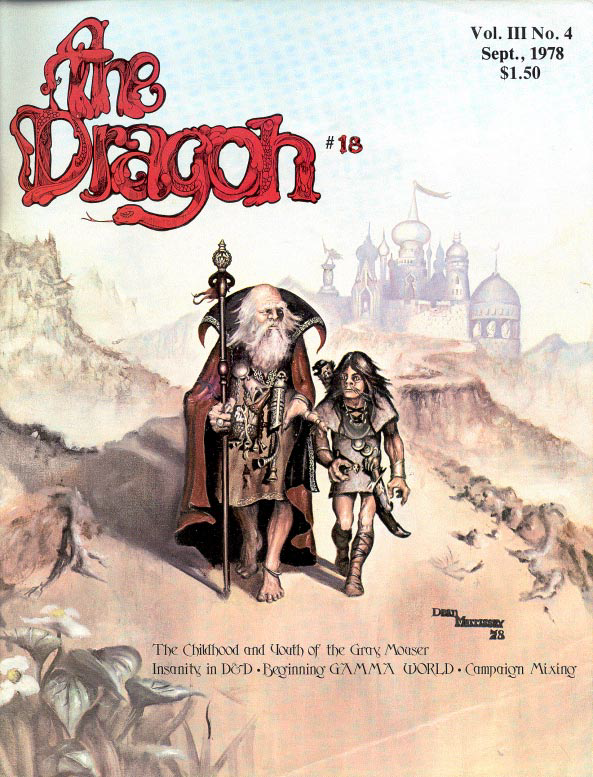
Dragon by Dragon – September 1978 (18)

Another week, another Dragon magazine. The last one was chock-full of stuff, how about this issue.

Traveller: The Strategy of Survival by Edward C. Cooper

As I was thinking, “I don’t remember any Traveller articles showing up before in The Dragon” I hit this line in the article, “I took advantage of the opportunity to observe the TRAVELLER phenomenon first hand” – ah – so this is at the dawn of Traveller.

I’ve never played Traveller, but I did create a character once (I was creating one character for every game I had a PDF of … though I skipped Exalted because after the first few steps I realized I just didn’t care enough to bother with it). This article appears to be about – well – keeping a character alive in Traveller. My favorite bit:

“Several other similar occurrences proved to me then that the success or failure of a character in most cases cannot be traced to “dice or chance” as often as it can to poor handling on the part of a player. I was both surprised and disappointed that some players even blamed a character or given situation for their own bad decisions. But then again, I was extremely excited, awed, by the skill some showed in manipulating their character’s life.”

That hits the spot for an old schooler – though it also shows that there were plenty of people back in the old days who were waiting for the new days with baited breath. Different strokes for different folks!

Reviews – Traveller, The Emerald Tablet, Imperium …

Well, imagine that! The reviewer appreciates that Traveller is not just D&D in space, but rather has its own “unique flavor and style”. The review is quite extensively, and I highly recommend it (yeah, I’m reviewing a review) for folks who don’t really know what Traveller is all about.

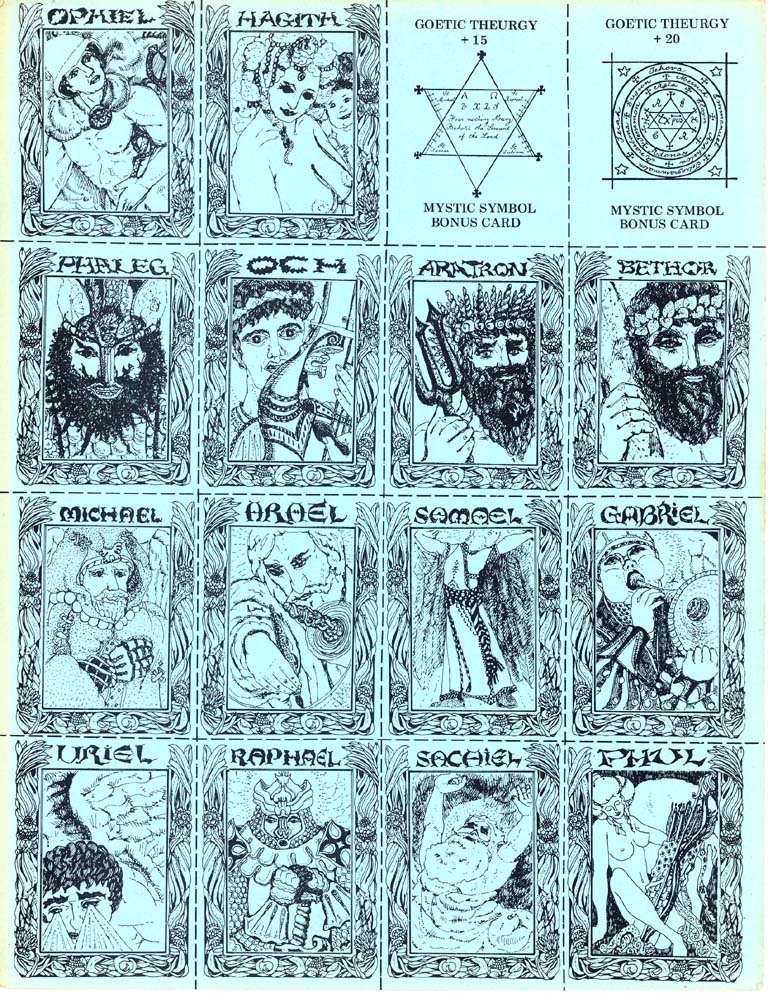
The Emerald Tablet is a set of fantasy wargame rules. The reviewer likes them, but admits he doesn’t know much about wargames. He likes that the magic system is based on ritual magic, which I know some people dig, but I always think it’s overrated. On the other hand – dig this sheet of Astral Force cards (click to enlarge … trust me, click it – click it now) I found at Boardgamegeek.com …

I don’t know what Phul does, but, hmm – anyways.

Imperium is another Game Designer’s Workshop product, a board game written by people who really love sci-fi literature. Apparently, Imperium is a game about the Terrans bumping up against the Imperium and the two sides fighting.

Pellic Quest is a computer moderated RPG (apparently a good thing, because computers are jerks like Dungeon Masters – see, the seeds of the new school were always there). Another sci-fi game, you start controlling a small planet in one of six roles (emperor, crusader, brigand, trader, droyds (robotic destroyers) or the zente (insect alien warriors). Each role needs different “winning points” and then go about making it happen.

Oh, and those zente …

Pretty sweet.

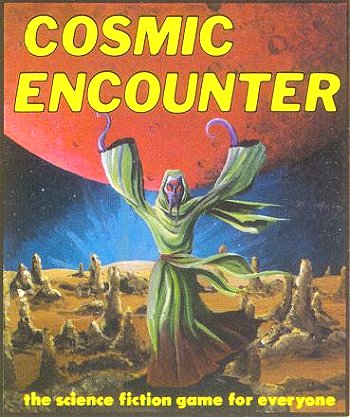
Cosmic Encounter is a sci-fi variation on draw poker.  Apparently it is simple and easy to learn, and, most importantly, fun, although the hype that one really has to get into the head of the alien race they control is wrong. The game combines several elements of classic, abstract games, and I want people who think they’re game designers to embrace this notion. Don’t begin with setting, begin with rules and get to know all sorts of old card games, board games, etc. Then apply setting to the game rules. This is how D&D was born and manages to remain so popular – it works as a game. Well, it used to, anyways.

INSANITY, or Why is My Character Eating Leaves? by Keven Thompson

A worthwhile article – insanity is tough to handle in games. Kevin Thompson devises first a saving throw vs. insanity (which makes sense given the time period). The saving throw is based on a matrix between Intelligence and Wisdom – find the number, add character level to it, and then try to roll 1d20 beneath that number. Neat idea (and I’ll be using it in a post this week).

If you fail the save, you roll d12 (always nice to see the d12) on an insanity chart.

INSANITY CHART

1. Nutty
2. Kleptomaniac
3. Perverse
4. Psychotic Hatred
5. Childlike Trusting
6. Schizoid
7. Severe Paranoia
8. Acute Paranoia
9. Gibbering
10. Suicidal
11. Violent
12. Catatonic

The good thing about this list is that it is more behavior based than clinical. It’s pretty easy to see how these “insanities” could impact actual play in a game.

New Spells in D&D! by Paul Suliin

(Love the use of the exclamation point)

This article introduces new spells created by an actual play group using the rules for spell research in Dragon #5. The editor chimes in with the admonition that every spell needs to have a loophole via which it can negated somehow.

The new spells include Nature Call, Magic Missile II, Moon Runes, Flamebolt, Mystic Rope, Pit of Flame, Word of Warding, Force Field, Extend I, Shatterray, Wall of Water, Extend II, Beam of Blasting, Conjure Djinn/Efreet, Density Control, Extend III, Combine I, Call Spirit, Rust Monster Touch and more.

Let’s convert a couple to Blood & Treasure

Magic Missile II
Level: Magic-User 2
Range: Medium (150 ft.)
Duration: Instantaneous

As magic missile, but this spell conjures either one +2 arrow or two +1 arrows, with a like amount added for every fifth level advanced beyond 3rd (i.e. two +2 arrows or four +1 arrows at 8th level, three +2 arrows or six +1 arrows at 13th level, etc.)

Density Control (which would also make a great power for Mystery Men!)
Level: Magic-User 6
Range: Personal
Duration: 3 minutes

The spellcaster can alter the density of his body from a gas to steel. Such changes alter the spellcaster’s Armor Class, so that at minimum density he is immune to physical weapons, and at maximum density he is AC 18 and his hands strike as swords (1d6 damage). Density may be altered throughout the duration of the spell, and items in contact with the spellcaster’s body when the spell is cast are altered along with him.

Magic: Governed by Laws of Theory by Thomas A. McCloud

Man, I used to roll my eyes at these when I was a kid – theory? dude, I want a new class, new race, new spells, new adventures, etc. But I’m an adult now, so … naw, I still think the same way.

This one attempts to draw inspiration on the how’s and why’s of magic in D&D by examining such sage tomes as the 1960 Encylcopedia Britannica and Frazer’s The Golden Bough. Dude – it’s a game. Of course magic is treated casually. Real estate is treated pretty casually in Monopoly because it’s also a game – move and countermove, risk taking, a random element. Don’t overthink it!

Let Your Town Have A Purpose, or, How To Design A Town In Boot Hill by Mike Crane

Sometimes I think Jay Ward wrote the titles of these articles (bonus Nod points to anyone who gets that reference). Mike covers the best scale (1″ = 20′) to draw the map, the need to think about why the town is there in terms of who settled it and what they do (dude, it’s there to give gunslingers a place to have gun fights), etc. To be completely honest, articles like this are a waste. A bunch of random tables for generating an Old West town would have been much more helpful, or just a suggestion of watching some old episodes of Bonanza. Sorry – guess I’m in a salty mood at the moment.

Reviews Continued … Alpha Omega

Okay, apparently we’re not done with reviews yet. Alpha Omega was Battleline’s first stab at a sci-fi game. The reviewer thinks it reminds him of Buck Rogers or Star Wars … and that’s not an endorsement, according to the reviewer. After all, if we can’t beat all the fun out of sci-fi and make it boring and cerebral, then what’s the f-ing point? (I am in a mood). Here’s a sample of the review …

Alpha Omega is billed as “A game of tactical combat in space,” a claim supported by the rules.

Okay then. Apparently, the art is superb on the counters, but they’re hard to read, and the scale (one hex equals one light second) and turn time (6 seconds) are weird for space fights. The game is also two-dimensional, rather than three-dimensional, although the reviewer doesn’t think three dimensions would have any bearing on the game, and thus might as well not be there. The game is really just naval combat on a board that looks like space. The weapons are not realistic (just names, really), so the game also lacks believability (a bugaboo that has never bothered me personally) – hell, they named a couple alien ships Akroid and Balushi – the bastards. Uggh – life’s too short for this. Game looks fun to me, and the cover is pretty cool.

The Chamber of the Godgame by Mick McAllister

The what of the what? It’s a short article describing a dungeon chamber based on a scene in John Fowles’ “grand metaphysical dungeon novel” The Magus. I won’t go into it – find the article or find the book.

Gamma World: Fire Report; Setting Up The Campaign by James M. Ward and Gary Jaquet

Neat little behind the scenes look at the why’s and wherefore’s of turning Metamorphosis Alpha into Gamma World.

Birth Tables – Boot Hill by Stephen Blair

This one’s a collection of random tables. Let’s roll on them and see what we get …

Social Class: Ranch Related (didn’t know that was a social class, but okay)

Profession of Father: Homesteader (ah, now I get it)

Birth Order: Bastard (makes sense)

Skills: Facility with numbers (this bastard can multiply!)

Initial Purse: $75

Size of Spread: 5,120 acres

Guidelines for Mixing Campaigns: Androids, Wizards, Several Mutants, and Liberal Doses of Imagination, Well Blended by James M. Ward

This article is a quick guide to converting D&D characters to MA characters. D&D characters get a radiation resistance of 3, and MA creatures get no save vs. magic. Magic armor completely disrupts protein and disruptor blasts (good to know). The shielding, metal and energy fields of the Warden stop crystal balls and helms of teleportation from working (it’s science, dude, deal with it). Good article – reminiscent of the treatment in the old DM’s Guide.

Monkish Weapons and Monk vs. Monk Combat by Garry Eckert

Apparently, Garry read a book about Japanese weapons and decided to apply what he learned to monks (who are drawn from Chinese fact and folklore, not Japanese – oi!). Skip it.

Effective Use of Poison by Bill Coburn

Quick article that defines poison as Class A, B or C.

Type A is in potion form, and includes Arsenic and Hemlock. It kills 80% of the time in 2d4 minutes and if it doesn’t kill, leaves a person stricken for 1 week (meaning half strength, dexterity, constitution and movement).

Type B is in the form of gas, darts, cobras and needles. A neurotoxin, it brings death 50% of the time in 4d4 days and leaves people stricken for 1d3 days after being unconscious 30 minutes after poisoning for 1d4 days.

Type C comes from monsters. A hemotoxin, is has a 10% chance of killing a character in 1d4 days, and leaves people stricken for 1d10 days after being unconscious 1 hour after poisoning for 2d4 days.

Armor in this scheme provides a bonus to save vs. poison (-2 penalty for no armor, no adjustment for leather, +1 for chainmail and +2 for platemail).

Not a bad little system, really.

Comics!

Finieous Fingers and his pals meet the evil wizard, and discover that a good initiative roll and a magic wand go a long way towards evening the score between fighters and magic-users.

In Wormy, the trolls make the mistake of breaking one of Wormy’s pool balls. Jeez I miss this comic. Who has the next Wormy in them?

The Childhood and Youth of the Gray Mouser by Harry O. Fischer

This is Harry’s version of the Gray Mouser’s youth, Harry having been a major help in creating all of the major characters of Nehwon back in the day. It begins …

“Mokker was the Prince of Pimps in the Street of Whores in Lankhmar. He could just as easily have been King. He was tastefully and expensively dressed, with massive gold and jeweled rings one or more to a finger. He was exceedingly complex; calculating, sometimes ruthless, vulnerable to fits of whimsy, possessing an almost perpetual erection (as it behooves a whore-master to have), and more. He was generous, and delighted in both the giving and getting of surprises. His whores loved him for this, in addition to the fact that he felt not the slightest hesitation about correcting or revenging a wrong to one of his, no matter how slight the transgression. Mokker was a thorough and practical rogue given to sudden impulses, possessing large eyes, a sensual mouth and plump cheeks; a merry companion and a deadly enemy. He was clever, aware of it, and arrogant.”

No, D&D wasn’t for kids just yet.

Next we have this …

Okay then.

Non-Player Character Statistics by ???

This is another quickie – random tables for determining NPC stats based on their personality. Kinda cool. I’ll roll one up – we’ll say a madame from Tremayne named Durla …

Pride (Ego): Little – =1-% greed, -1% work quality

Greed: Loans things, sells items for normal* prices

Quality of Work: Normal

Okay, well, now I know. I think I’ll stick to my method in Blood & Treasure (on sale now!)

And there you have it, along with some nice little comic panels from McLean. Lots of stuff packed into 34 pages, and not a bad read overall. The spells were fun, and I like the poison rules. The reviews got me to look up some old games I’d never heard of, and the insanity rules put an idea in my head I’ll explore more this week.

Have fun boys and girls, and don’t be the last geek on your block to get Blood & Treasure

The She-Devil

She-devils are females possessed not only of a righteous rage towards oppressors – especially male oppressors – but also the gift of puissance at arms from the goddess Scathach (or whatever war goddess best fits your milieu). Although she-devils often look the part of barbarians for their lack of armor (it is considered cowardly) and lack of covering (they have no shame in showing their feminine strength), they should not be confused for simple berserkers. She-devils are peerless swordswomen who draw their power from their vows of purity and dedication.

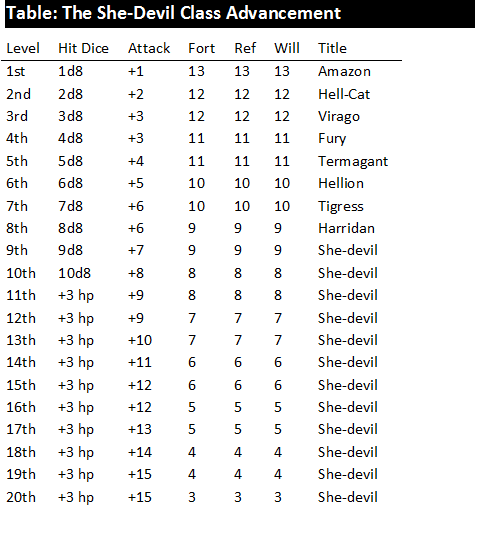
She-devils advance using the paladin XP scheme (see Blood & Treasure Players Tome).
Requirements: Strength and wisdom 11+, dexterity and charisma 14+

Hit Dice: d8 to 10th level, +3 hit points per level thereafter

Armor Allowed: Mail shirts (or shirts of leather, scale or ringmail*), shields and bucklers

Weapons Allowed: Any

Skills: Bend bars, break down doors, riding

She-devils must make a vow of chastity that can only be broken for a lover who has first defeated them in combat. If this vow is not upheld, the she-devil loses her special abilities. Her attack bonuses are reduced to that of a thief of the same level. She must atone to regain her abilities and must kill the person for whom she broker her vow. In addition, she-devils may not hire male henchmen, though they may use male hirelings and may adventure with male characters.

A she-devil enjoys a blanket +2 bonus to Armor Class due to her fluid fighting style and the blessings of Scathach. She-devils armed with a medium or larger weapon can deflect missiles, as a monk.

Although they balk at intimate human contact, a she-devil has a particular ability to affect the emotions of men. Once per day per level, a she-devil can exude an aura (30-ft. radius) that affects all men within the aura as either a crushing despair or cause fear spell. They can alternatively use this aura to inspire women as though using either the good hope or rage spell.

A she-devil can fly into a righteous rage under the following conditions: If she sees the weak being threatened or harmed by the powerful, if she sees a female humanoid being threatened or harmed, or if she is reduced to less than half her normal hit point total by a male humanoid (or monstrous humanoid). A raging she-devil enjoys a bonus to all saving throws, Armor Class and attack rolls equal to her charisma modifier. This rage lasts for 6 rounds. When it is over, the she-devil is fatigued (see conditions) for 1 hour. A she-devil can fly into this rage no more than three times per day.

A 6th level she-devil (hellion) may attack twice per round with a melee weapon.

A 9th level she-devil may establish a stronghold. She attracts a sisterhood of 2d6 amazons (of an alignment comparable to her own) and 4d6 commoners, all women and children, seeking shelter and safety.

A 12th level she-devil may invoke her righteous rage against male (or masculine) outsiders. In addition, the she-devil generates an effect equivalent to the protection from evil spell against these outsiders. 

* A shirt of armor grants a bonus to Armor Class one lower than a full suit – thus, a ringmail shirt grants an AC bonus of +2 instead of the +3 granted by a full suit of ringmail.